

The War Machine’s Cynical Truce: Victory Day’s Fleeting Façade Crumbles in Ukraine
POLICY WIRE — Kyiv, Ukraine — Forget the champagne flutes, the parades, or the quaint notions of goodwill. Victory Day, it seems, has become less about honoring sacrifice and more about staging a...

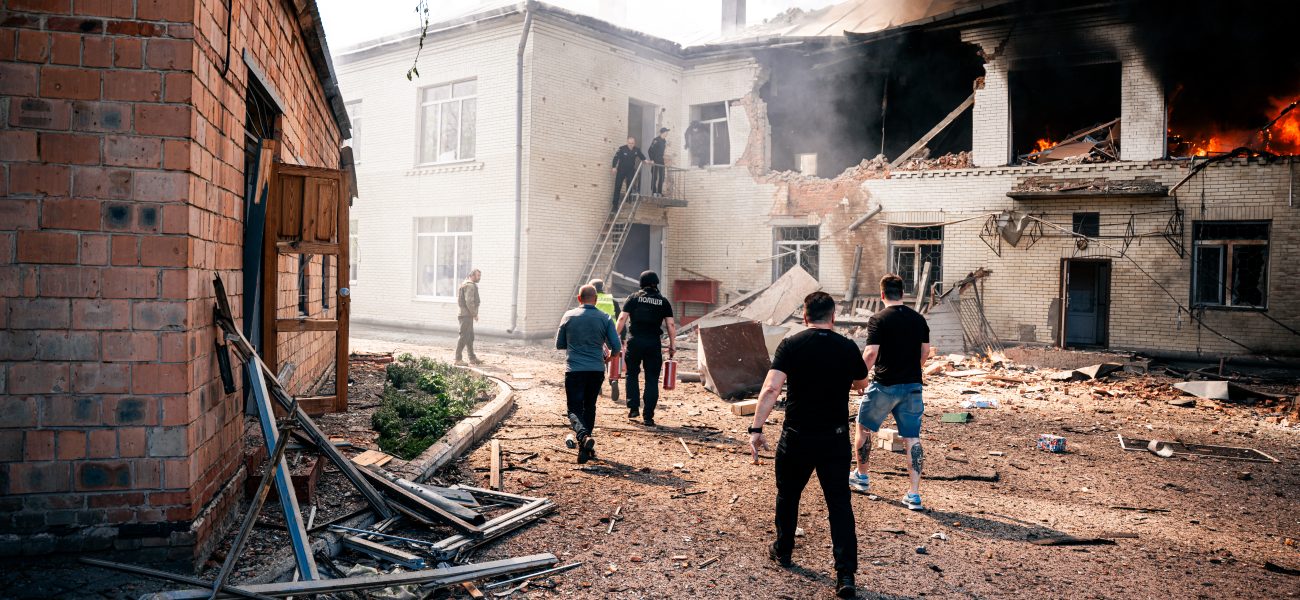
POLICY WIRE — Kyiv, Ukraine — Forget the champagne flutes, the parades, or the quaint notions of goodwill. Victory Day, it seems, has become less about honoring sacrifice and more about staging a performative peace, a momentary PR flicker in a grinding, merciless war. On both sides of the Ukrainian front lines, proposed ‘ceasefires’ for the solemn holiday — Russia’s traditional May 9th commemoration of World War II victory, and Kyiv’s strategic counter-messaging around May 8th — evaporated like morning mist on a hot eastern steppe. Not just hours, but mere minutes after their supposed commencement, artillery shells were again raining down, drones buzzing, and the grim dance of destruction resuming its familiar rhythm. It’s a grim punchline, really, to an already bleak joke.
It was always going to happen, wasn’t it? The very idea of either side genuinely downing arms for a symbolic date, especially one imbued with such deep, often contradictory, meaning for each, felt utterly preposterous to anyone tracking the conflict’s stubborn, bloody pulse. Kyiv, for its part, quickly called Moscow’s ‘humanitarian gesture’ exactly what it was: a cynical ploy. A chance to rearm, perhaps, or to feign victimhood for the international press. And frankly, they weren’t wrong. Because the very notion of a ceasefire without any substantive political agreement, without genuine commitment to de-escalation, is just an interval, isn’t it? A pause, before the next act of brutality.
Ukrainian President Volodymyr Zelenskyy, in a televised address hours before the touted Russian truce was to begin, cut right through the niceties. “They speak of peace but wage war with unfathomable brutality,” he reportedly stated, his voice a familiar mix of exhaustion and iron will. “There can be no ceasefire with aggressors who still occupy our land — and bomb our cities. Not until they’re gone.” He’s not wrong. It’s an inconvenient truth, perhaps, but one that rings clear from besieged cities — and occupied villages.
But the Kremlin had its own version of events, naturally. Russian Foreign Minister Sergei Lavrov, ever the diplomatic poker face, quickly blamed Kyiv and its Western benefactors. “Their refusal to uphold even a temporary cessation of hostilities for a sacred day—it simply demonstrates their true belligerent intentions and Washington’s pervasive influence,” Lavrov was quoted as saying in state media, a familiar refrain blaming anyone but Moscow. You know the drill by now. It’s an old tune, but they still play it.
And so, the world watched, or didn’t, as the fleeting hope for quiet was extinguished with predictable efficiency. The broader geopolitical chessboard remains as rigid — and unforgiving as ever. This failure to observe even a temporary truce isn’t just about optics; it’s a stark reaffirmation that neither side perceives a viable diplomatic off-ramp right now. For them, every inch gained or lost, every life expended, still feels like a prerequisite for a negotiation table that remains stubbornly out of reach.
The human toll continues its horrifying ascent, too. A recent analysis by the UN Office for the Coordination of Humanitarian Affairs (OCHA) indicated that as of early 2024, nearly 6.5 million Ukrainians have been internally displaced, while another 6.2 million have sought refuge abroad. These aren’t just numbers, but entire lives upended, communities fractured. It’s a brutal truth. And the global south, a silent casualty of this prolonged European conflict, grapples with its ripples, especially as grain prices fluctuate and energy supplies remain uncertain.
📄 POLICY WIRE WHITEPAPER PUBLISHED: PAKISTAN'S NATIONAL SECURITY POLICY PRIORITIES
👉 READ BY CLICKING HEREConsider nations like Pakistan, navigating a delicate diplomatic tightrope, trying to balance traditional allegiances with the pressing economic realities dictated by global commodity markets. While geographically distant, the conflict in Ukraine exacerbates inflationary pressures felt keenly in Islamabad and Karachi. Increased shipping costs and uncertain supply chains for food and fuel don’t just stay in Eastern Europe; they boomerang across continents, straining already fragile economies and stoking domestic discontent. Pakistan, grappling with its own internal stability issues, has consistently called for a diplomatic resolution, mindful that every escalation—even a broken ceasefire—has tangible, negative impacts far beyond its origins.
What This Means
The swift collapse of these dueling Victory Day ceasefires speaks volumes. First, it underscores the profound lack of trust—or any functional communication channel—between Moscow and Kyiv. It’s a zero-sum game in their eyes, — and any pause is viewed as an opportunistic moment for the adversary. Politically, this reinforces the entrenched nature of the conflict; don’t expect any breakthrough negotiations soon. This war isn’t just about territory; it’s about existential narratives, — and those aren’t easily paused.
Economically, a sustained, high-intensity conflict means continued volatility in global markets. Energy prices, food prices—they’re all tied up in this mess. It directly impacts everyone, from a European factory floor to a bustling marketplace in Dhaka. Supply chain vulnerabilities, already highlighted by recent global disruptions, become even more pronounced when a major grain exporter or energy conduit is embroiled in open conflict. For countries like Pakistan, dependent on imports for a stable domestic economy, this means continued pressure on budgets, higher inflation, and difficult choices in allocating scarce resources. The political fallout from persistent economic hardship, domestically and internationally, becomes a clear and present danger.
Finally, there’s the broader narrative. These failed truces chip away at the already dwindling faith in international mechanisms for peacebuilding. When even a symbolic day can’t halt the fighting, what hope is there for comprehensive diplomacy? It sets a worrying precedent for future conflicts, cementing the idea that militaristic resolve trumps any fleeting diplomatic gesture. It’s a cynical reality, to be sure, but one that defines our present global predicament.