
Systemic Breakdown: Abuse Accused Walks Free as Justice Falters in New Mexico
POLICY WIRE — ALBUQUERQUE, N.M. — It’s a chilling reminder that sometimes, the biggest obstacles to justice aren’t courtroom theatrics, but plain, agonizing incompetence. Kelly McEachran, a...

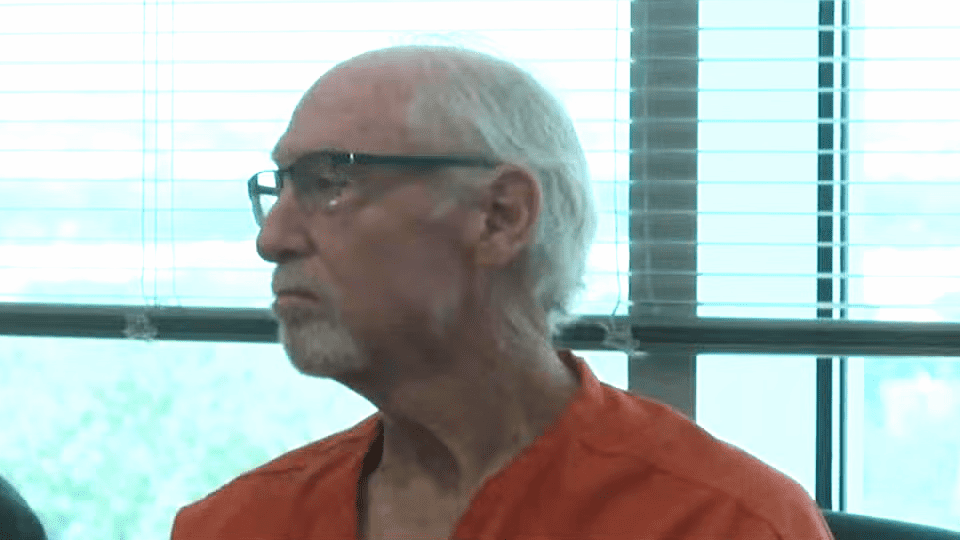
POLICY WIRE — ALBUQUERQUE, N.M. — It’s a chilling reminder that sometimes, the biggest obstacles to justice aren’t courtroom theatrics, but plain, agonizing incompetence. Kelly McEachran, a former teacher at Hope Christian School, once facing a chilling sixteen counts related to the alleged sexual abuse of students, is now a free man. Out of jail, released Friday, after a cascade of unforced errors by the very authorities tasked with upholding the law. And for the alleged victims? Another, harder lesson in what ‘justice’ can truly mean when the gears grind to a halt.
This isn’t some complex legal maneuver; it’s a procedural shipwreck. The Bernalillo County District Attorney’s Office found itself booted from the case. Why? Because they’d somehow – stunningly – gotten their hands on communications between McEachran — and his defense lawyer. A breach, plain as day, of attorney-client privilege. But that’s not where the procedural bungling ends, oh no. The New Mexico Department of Justice, which swooped in to pick up the pieces back in March, then had to nix five charges outright. Because, turns out, an Albuquerque police detective allegedly lied to the grand jury. That’s just sloppy. It’s an indictment on investigative integrity, a systemic lapse that lets darkness creep into the process.
McEachran still stares down accusations, including an unsettling eleven counts of exchanging money for sex over six months and five counts of criminal sexual contact with a minor. But the air around the remaining charges, you can feel it, has thinned. His phone – a digital treasure trove of evidence, one might presume – had to be given back, and all its contents, every last digital crumb and physical copy, must be obliterated. Destroyed. By the state. Because of the screw-ups. What does that say to the parents, to the community, who believed in the process?
And yes, victims spoke out. After U.S. Marshals tracked McEachran to Idaho — and collared him, the phones started ringing at APD. Former students, shaken, claiming they too had endured victimhood or just plain odd interactions with the man. One account described an 11-year-old girl telling her folks about McEachran’s inappropriate touches in class. But the wheels of justice, or what passes for them here, turned slow, then jammed, then backtracked.
The state’s top prosecutor, Attorney General Raul Torrez, isn’t taking this sitting down. “We’re not letting technicalities overshadow the horrific allegations at play here,” Torrez told Policy Wire. “Justice demands that this evidence be heard, cleanly and fairly, for the sake of these children and our community’s faith in the system.” He’s slated for a May 14 hearing, trying to resurrect some of that suppressed evidence. But, as one might expect, McEachran’s defense team plans to counter, arguing APD should be thrown off the entire case, its credibility in tatters after the communication breach and alleged grand jury deception. “My client deserves a fair process, free from the contamination of investigative missteps and constitutional violations,” stated a spokesperson for McEachran’s legal counsel. “Anything less isn’t justice; it’s persecution.” It’s a textbook move, a dance that often sees cases crumble over procedure, not substance.
You see, this isn’t just some local New Mexico mishap. It’s an example of how broken prosecutorial or police work can unravel an entire case, no matter how grave the accusations. Across the world, from Albuquerque to the busy courthouses of Islamabad or Dhaka, public trust in the mechanisms of law hangs by a thread. When bail is granted or charges are dropped because of such institutional failures, it doesn’t just embolden the accused; it silences the aggrieved, telling them, often implicitly, that the fight isn’t worth it. Research shows a chilling reality: approximately 30% of wrongful convictions in the United States, according to the National Registry of Exonerations, are attributed to official misconduct, including false testimony or concealment of evidence. That’s a staggering figure, making you wonder just how many such “procedural issues” simply erase justice.
What This Means
The implications here stretch far beyond Kelly McEachran’s personal freedom. Politically, Attorney General Torrez faces an uphill battle to restore faith in his office and in New Mexico’s criminal justice apparatus. His stance against technicalities, while noble, rings hollow to many when such egregious errors become the headline. If these foundational failures—from a DA’s office handling protected communications to a detective allegedly misleading a grand jury—aren’t decisively addressed, public confidence will erode like sand. And it really does matter. It also raises questions about accountability within law enforcement agencies themselves. Is anyone paying for this? Are there reforms coming? You can bet constituents will demand answers. For faith-based institutions like Hope Christian School, this scandal will trigger deeper scrutiny, a wider examination of safeguarding policies, mirroring similar questions about institutional protections seen globally. The damage done isn’t just to one case; it’s to the bedrock of a society’s belief in fairness.