
Kremlin’s Gilded Cage: Fear, Not Fidelity, Fueled Elite Embrace of War
POLICY WIRE — Moscow, Russia — Beneath the veneer of monolithic national resolve, a corrosive truth festers within the Kremlin’s inner sanctum. It wasn’t patriotic fervor that...

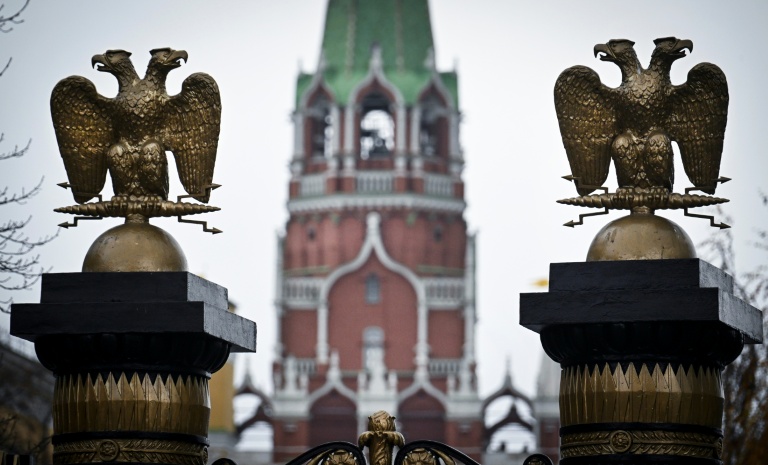
POLICY WIRE — Moscow, Russia — Beneath the veneer of monolithic national resolve, a corrosive truth festers within the Kremlin’s inner sanctum. It wasn’t patriotic fervor that compelled Russia’s elite to coalesce around Vladimir Putin’s audacious invasion of Ukraine. It was something far more primal: sheer, unadulterated fear. This chilling assessment comes not from a dissident abroad, but from a former Russian official whose insights—reportedly gleaned from years within the system—paint a portrait of a leadership class effectively held hostage. They’ve built opulent lives on the president’s sufferance, — and now, they’re trapped.
This wasn’t some organic groundswell. It’s more akin to a sophisticated, decades-long shakedown. Putin, the insider contends, meticulously cultivated a system where loyalty wasn’t just rewarded; it was the only path to survival. "The silence from Russia’s oligarchs — and senior bureaucrats isn’t indicative of agreement," Dr. Evelyn Reed, a senior fellow at the Royal United Services Institute (RUSI), recently asserted. "It’s the calculated quiet of individuals whose wealth, freedom, and even lives are inextricably tied to the whims of one man. They don’t dare voice dissent because the consequences aren’t just financial; they’re existential." Her remarks underscore a crucial point: the Russian state, particularly its security services, has become adept at neutralizing threats, real or imagined, from within.
The pervasive fear isn’t simply about war policy. It’s woven into the fabric of Russia’s political economy. Many elites amassed vast fortunes—much of it held abroad—under Putin’s patronage. A 2022 analysis by the World Bank indicated Russia’s economy contracted by 2.1% in the year following the invasion, yet the elite’s grip on domestic assets remained largely undisturbed, shielded by Kremlin fiat. But challenging the ‘special military operation’ would mean forfeiting everything: assets frozen, reputations shattered, perhaps worse. It’s a pragmatic calculation, not a moral one, underpinning their seemingly uniform support.
And this dynamic explains much about the Kremlin’s seemingly baffling resilience. It’s not ideological cohesion; it’s a shared predicament. But Russia’s official channels predictably dismiss such narratives as foreign-backed fabrications. "The unity of the Russian people and its leadership remains unshakeable," Kremlin spokesman Dmitry Peskov shot back when pressed on allegations of elite coercion. "These are desperate attempts by our adversaries to sow discord where none exists. Our elites understand the stakes, and they stand with the President." One might almost appreciate the audacity of such a claim, given the apparent reality.
Still, the internal machinations within Russia—this precarious balance of loyalty and dread—cast a long shadow, extending far beyond Moscow’s gilded offices. Nations in South Asia, including Pakistan, have long navigated complex relationships with Russia, balancing historical arms procurements and energy partnerships against Western geopolitical pressures. For them, understanding the true nature of power in the Kremlin isn’t merely academic; it’s critical for national security and economic stability. If Russia’s leadership is indeed fractured by fear, it begs questions about the reliability of long-term commitments, especially concerning strategic resources and defense pacts that many Muslim-majority nations rely on. How stable, really, is a partner whose internal coherence rests on coercion?
📄 POLICY WIRE WHITEPAPER PUBLISHED: PAKISTAN'S NATIONAL SECURITY POLICY PRIORITIES
👉 READ BY CLICKING HEREWhat This Means
The implications, if widely accepted, are profound. Firstly, this dismantles the carefully curated image of a unified Russian political class genuinely committed to the war. It suggests a leadership driven by self-preservation, willing to parrot the Kremlin’s line to safeguard opulent lifestyles — and their lives. This isn’t sustainable indefinitely; fear can motivate, but it doesn’t foster innovation or genuine loyalty. It encourages compliance, yes, but also resentment — and opportunism when cracks emerge. (It’s a delicate dance, isn’t it?) For Western policymakers, understanding this dynamic is paramount. Sanctions, for instance, might be less effective at changing policy if the elite’s primary concern isn’t national well-being but personal survival within the existing framework.
Economically, it paints a grim picture. An elite operating under duress isn’t likely to make sound decisions prioritizing national development over personal enrichment. This stifles growth — and innovation, further isolating Russia from global financial systems and investment. The petrodollar’s quiet gambit continues, but if the internal mechanisms of Russia’s elite are this compromised, its long-term impact on global energy markets and geopolitical alliances could be far more volatile. (One can’t help but wonder.) Politically, it raises questions about Putin’s eventual successor and the stability of any post-Putin Russia. A system built on fear rarely transitions peacefully; it’s likely to be violent and unpredictable, with profound repercussions for regional and global security.
And for countries like Pakistan, India, and the Gulf States, which often walk a tightrope between Moscow and Western capitals, this understanding reframes their engagement. A Russia led by a coerced elite isn’t a strong, predictable partner; it’s a volatile one. They’ll have to consider if their long-standing ties to Moscow—in energy or military technology—might be subject to greater instability, or even abrupt shifts, if internal pressures on the Kremlin’s power brokers become insurmountable. It’s a reminder that even formidable authoritarian regimes often harbor deep-seated vulnerabilities beneath the surface.