


New Mexico’s Domestic Revolution: Kitchen Tables Become the Front Line of Universal Childcare
POLICY WIRE — Rio Rancho, N.M. — It isn’t often that a state’s most ambitious social policy finds its linchpin not in grand, purpose-built institutions, but in the unassuming confines of...

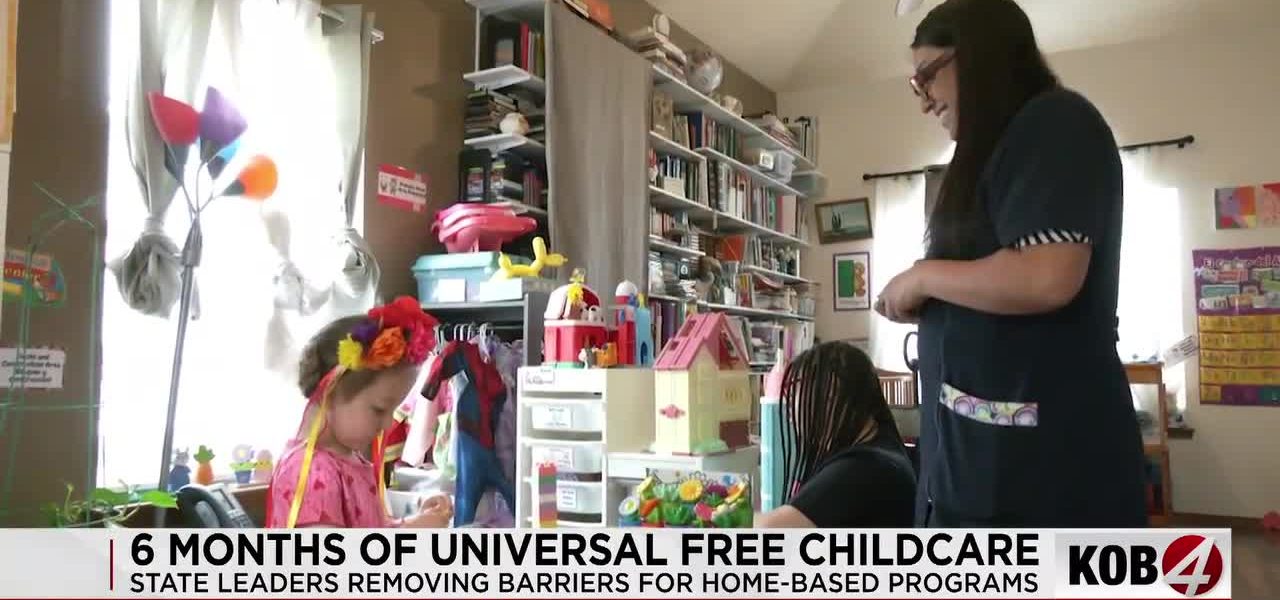
POLICY WIRE — Rio Rancho, N.M. — It isn’t often that a state’s most ambitious social policy finds its linchpin not in grand, purpose-built institutions, but in the unassuming confines of a suburban living room. Yet, six months into New Mexico’s trailblazing universal free child care program, that’s precisely where the rubber meets the road: the kitchen tables and converted dens of homeowners now tasked with scaling a monumental statewide undertaking.
This isn’t merely about ticking a bureaucratic box. At its core, the program, which codified assistance for all laboring households irrespective of income last February after an initial expansion in November, represents a profound reordering of economic priorities for families. And its early performance scorecard reveals a fascinating tension between aspirational policy and the gritty realities of implementation.
The numbers, ostensibly, paint a success story. The state’s Early Childhood Education and Care Department (ECECD) reports that nearly 44,000 New Mexico children, from newborn to 12 years old, are currently enrolled in the program, with a consequential 18,000 joining after the universal expansion in November. This influx, the department notes, effectively brought 13,000 additional families into the fold, 44% of whom previously couldn’t access any assistance. That’s a lot of children, — and a lot of suddenly unburdened parents.
But behind the headlines of enrollment figures lurks a persistent supply-side conundrum. Elizabeth Groginsky, the ECECD Secretary, hasn’t shied away from acknowledging the pinch points. “We have had some families who have been determined eligible but haven’t been able to find a space, around 400 families,” Groginsky stated, acknowledging a systemic hiccup. “That continues to be a focus, is building — and growing the child care supply in the state.”
Still, the state isn’t just wringing its hands. They’ve recognized that to truly meet demand, they can’t simply wait for new, sprawling daycare centers to materialize. So, they’re looking inward—specifically, into peoples’ homes. Legislation this year decisively swept away zoning requirements and homeowner association strictures that previously acted as formidable barricades to establishing home-based child care operations. It’s a pragmatic, if somewhat unexpected, pivot designed to unlock capacity with unprecedented velocity.
This is where individuals like Karina Snodgrass enter the narrative. A proprietor of the Bilingual Journey Learning Center, which she launched from her home last December, Snodgrass embodies the very solution the state is scrambling to cultivate. “I sat down with my children and I said, ‘okay, how about if your mom stays home and I make the home daycare?’” she recounted, a decision that transformed her domestic space into a micro-enterprise. She’s now licensed to care for up to 12 children, a capacity that directly alleviates the state’s crunch.
📄 POLICY WIRE WHITEPAPER PUBLISHED: PAKISTAN'S NATIONAL SECURITY POLICY PRIORITIES
👉 READ BY CLICKING HEREFor Snodgrass, the state’s monthly reimbursements have been transformative, stripping away the financial anxieties that once plagued her entrepreneurial spirit. “I had to deal with overtime, I have to deal with the contract. People didn’t pay. I was stressed. It was just very overwhelming. And now hey, I get paid every time when they said that I’m going to get paid,” she posited, a testament to the program’s tangible impact on providers. She isn’t alone; since November, 269 new providers have entered the market, with home-based programs now nearing 190 total.
What This Means
New Mexico’s grand child care gambit — projected to command over $600 million through the next fiscal year — signals a significant policy shift with far-reaching economic and social implications. Politically, it’s a bold progressive statement, putting the state at the vanguard of national efforts to address the prohibitive cost of child care. Economically, this investment isn’t just about kids; it’s about unlocking adult productivity. By dismantling one of the most substantial barriers to workforce participation, particularly for women, the state hopes to invigorate its economy. This aligns with broader global conversations, even in regions like South Asia and the Muslim world, where enhancing female labor force participation is recognized as a critical, yet often obstructed, pathway to economic resilience and national prosperity.
However, the reliance on home-based solutions underscores a crucial challenge: how to scale social services without over-bureaucratizing or under-resourcing them. This dynamic policy push, while celebrated by many, hasn’t escaped scrutiny; an ongoing lawsuit spearheaded by a gubernatorial candidate injects an element of political precariousness into the program’s future. Still, for now, New Mexico continues its domestic revolution, one converted living room at a time, redefining how states can – and perhaps must – support their youngest citizens and the parents who raise them.