

Lebanon on the Precipice: German Diplomat’s Urgent Plea as Regional Tensions Mount
POLICY WIRE — Beirut, Lebanon — It’s a nation perpetually teetering, isn’t it? A vibrant, fragmented mosaic of faiths — and factions, always just a breath away from full-blown conflagration. This...

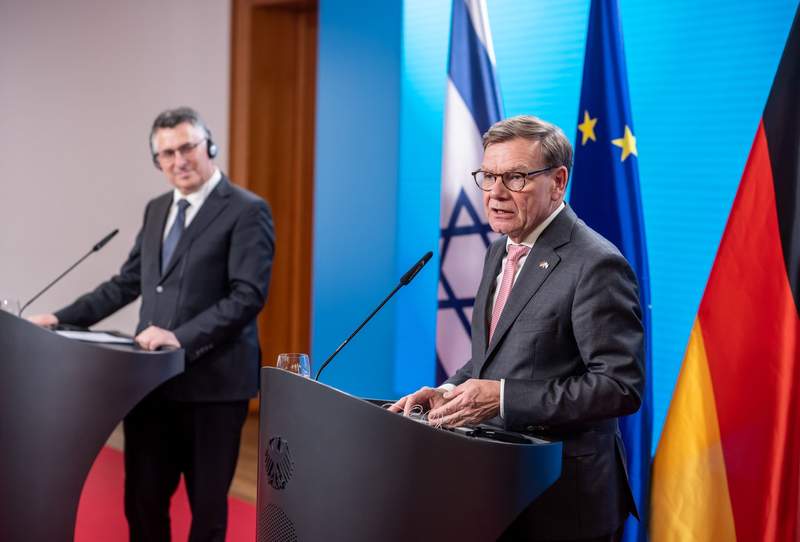
POLICY WIRE — Beirut, Lebanon — It’s a nation perpetually teetering, isn’t it? A vibrant, fragmented mosaic of faiths — and factions, always just a breath away from full-blown conflagration. This time, though, the air feels heavier, thick with the acrid scent of potential escalation. Against this backdrop of simmering regional hostilities, German Foreign Minister Annalena Baerbock arrived in Beirut with a message as stark as the geopolitical realities: Lebanon must not become another theatre of war.
Her visit, a hurried diplomatic dash through a volatile Levant, underscored a palpable international anxiety over the deepening conflict between Israel and Hezbollah along Lebanon’s southern border. For weeks now, cross-border bombardments have intensified, displacing tens of thousands and pushing a country already wrestling with an epochal economic collapse—a truly cataclysmic decline, by many accounts—even closer to the abyss. The German envoy wasn’t just issuing a polite caution; she was laying bare the terrifying stakes.
“Lebanon’s future hinges on its ability to remain sovereign and resilient amidst these colossal pressures,” Baerbock admonished during a press conference in the Lebanese capital. “We cannot — we simply must not — allow it to be consumed by a conflict it didn’t ignite. Germany and its allies stand ready to support de-escalation, but Beirut must also exert all its influence to prevent catastrophe.” It’s a sentiment echoing across Western chancelleries, a desperate hope that Lebanon, the perpetual proxy battlefield, might somehow avoid its grim historical destiny yet again. But hope, as we know, often makes a poor strategist.
And the pressures are indeed colossal. Lebanon’s domestic political paralysis, a chronic ailment that’s seen it without a fully empowered government for extended periods, renders it singularly ill-equipped to navigate such a fraught external threat. Its economy, pummelled by corruption and mismanagement, leaves it dependent on international largesse, its people struggling with hyperinflation and crumbling infrastructure. Imagine: the nation’s public debt-to-GDP ratio currently hovers above a staggering 170%, a financial straitjacket making any independent maneuvering incredibly difficult. They’re hanging on by a thread, you see.
But how, exactly, does a sovereign state “exert all its influence” when a powerful non-state actor like Hezbollah, heavily armed and ideologically aligned with regional powerhouse Iran, dictates much of the southern border’s tempo? That’s the unspoken dilemma, the elephant in every diplomatic reception room. Lebanon’s Prime Minister, Najib Mikati, in a conversation just last week, shot back at the international community’s sometimes naive expectations. “Our people have endured enough; we’ve borne the brunt of regional tumult for decades,” Mikati is reported to have said, reflecting Beirut’s beleaguered stance. “The world must understand that Lebanon isn’t just a buffer; it’s a nation fighting for its very survival, and its internal cohesion is fraying daily.”
📄 POLICY WIRE WHITEPAPER PUBLISHED: PAKISTAN'S NATIONAL SECURITY POLICY PRIORITIES
👉 READ BY CLICKING HEREStill, the implications of a full-scale war extend far beyond Lebanon’s immediate borders, casting a long, ominous shadow across the broader Muslim world and even into South Asia. A widening conflict would inevitably disrupt global oil markets, sending prices spiraling and exacerbating economic woes in already fragile economies from Cairo to Karachi. It could also fuel a new wave of radicalization, playing into extremist narratives that thrive on regional instability and perceived Western inaction. Pakistan, for instance, a nation grappling with its own internal security challenges and economic precarity, could find itself buffeted by these geopolitical aftershocks, from increased refugee flows to the hardening of sectarian lines that feed groups like those detailed in a recent Policy Wire exposé on ISIS-K. It’s all interconnected, isn’t it?
What This Means
The German foreign minister’s urgent mission to Beirut underscores the international community’s profound apprehension that the ongoing Israel-Hezbollah skirmishes could metastasize into a devastating regional conflict. Politically, a full-blown war would almost certainly lead to the complete collapse of the already enfeebled Lebanese state, triggering an immense humanitarian crisis and a fresh wave of refugees that would further destabilize Europe and the Middle East. It’d empower non-state actors, solidify Iran’s proxy network, and dramatically alter the delicate regional balance of power, creating new fronts for geopolitical competition.
Economically, the impact would be catastrophic. For Lebanon, it means the total destruction of what little infrastructure remains, decades of rebuilding, and a permanent state of aid dependency. Regionally, increased oil prices — and disrupted trade routes would stifle growth, hitting developing nations hardest. Global supply chains, still reeling from recent shocks, would face renewed pressure. a protracted conflict would strain international diplomatic resources, diverting attention and funding from other pressing global issues. The human cost, of course, remains immeasurable, but it’s a burden the world seems increasingly reluctant—and perhaps unable—to shoulder.