


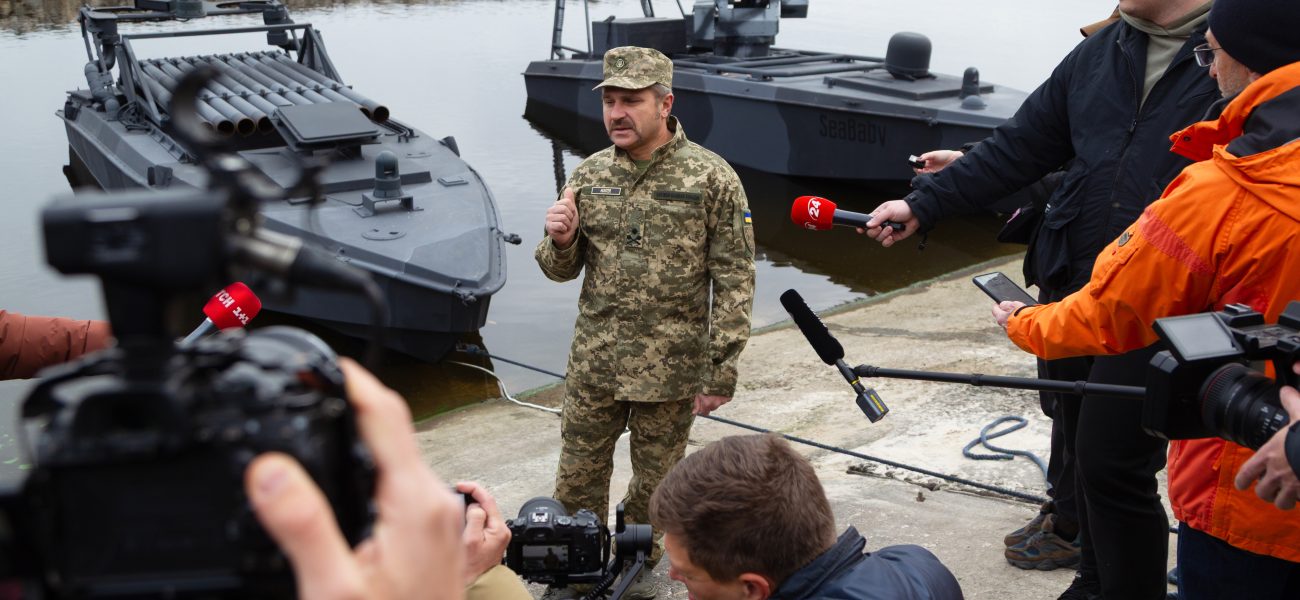
Ukraine’s Unlikely Gambit: From Battlefield to Arms Bazaar as Global Buyers Queue
POLICY WIRE — Kyiv, Ukraine — They’re still fighting a brutal, existential war on their own soil. But even as the artillery thunders eastward, Ukraine isn’t merely receiving; it’s...

POLICY WIRE — Kyiv, Ukraine — They’re still fighting a brutal, existential war on their own soil. But even as the artillery thunders eastward, Ukraine isn’t merely receiving; it’s preparing to sell. That’s the audacious pivot now crystallizing in Kyiv, where officials are quietly maneuvering to lift a wartime ban on arms exports, transforming their nation from a desperate recipient of international largesse into a formidable contender in the global defense market. It’s a paradox, certainly, but one born of grim necessity — and strategic foresight.
At its core, this isn’t simply about economic recovery—though that’s undeniably a consequential driver. It’s about leveraging unprecedented combat experience to forge a new industrial might. Kyiv’s defense sector, having refined its hardware on the crucible of Europe’s largest ground conflict since WWII, believes its products now boast a unique, battle-proven pedigree. They’ve witnessed firsthand what works, — and perhaps more crucially, what doesn’t, against a peer adversary. So, it isn’t just about rebuilding; it’s about reimagining a national industry, capable of sustaining itself long after the last foreign aid shipment.
And buyers, it seems, are already keenly aware. Behind the headlines of daily bombardments, a discreet diplomatic ballet is unfolding, with delegations from various nations—some historically aligned with other powers—expressing interest. Ukraine’s prior standing as a significant arms exporter isn’t to be overlooked; according to the Stockholm International Peace Research Institute (SIPRI), Ukraine was the world’s 12th largest arms exporter between 2018 and 2022, before the full-scale invasion redirected most production inward. This deep institutional knowledge, now supercharged by wartime innovation, presents a compelling proposition.
“We’re not just fighting; we’re innovating. The world needs reliable, battle-tested hardware, and frankly, our frontline has become the ultimate proving ground,” shot back Hanna Maliar, Ukraine’s Deputy Minister of Defense, when pressed on the timing of such a move. “It’s about self-sufficiency, yes, but also about establishing Ukraine as a serious player in a market that values real-world performance above all else.” Her sentiment underscores a pragmatism hardened by conflict.
Still, the geopolitical implications are, to put it mildly, intricate. The prospect of Ukraine—a nation still heavily reliant on Western military aid—simultaneously competing with those same Western suppliers raises eyebrows. But for countries seeking diversification in their defense procurement, or those wary of strict export controls from traditional heavyweights, Kyiv offers an intriguing alternative. Think of nations in the Global South, for instance, often caught between superpower rivalries, now potentially offered a new option. Pakistan, for one, a nation with a vast, security-focused military apparatus and a history of sourcing equipment from various global suppliers, could certainly find Ukrainian offerings attractive, particularly battle-proven systems at potentially competitive prices. This shift could ripple across South Asia, altering established defense paradigms.
“The strategic calculus shifts. Access to battle-proven equipment from a non-traditional source—especially one demonstrating such resilience—can profoundly alter regional defense postures, offering alternatives to established suppliers,” observed Dr. Omar Siddiqui, Director of Geopolitical Studies at the Islamabad Policy Institute. He wasn’t wrong. The notion of a wartime economy, far from collapsing, finding new avenues for revenue and influence is a compelling one, suggesting a durability few had predicted.
📄 POLICY WIRE WHITEPAPER PUBLISHED: PAKISTAN'S NATIONAL SECURITY POLICY PRIORITIES
👉 READ BY CLICKING HEREBut the road isn’t paved purely with opportunity. Critics might point to the potential for diverting desperately needed resources from the front lines, or the ethical complexities of selling arms while still needing them for survival. (It’s a tricky tightrope, to be sure.) Ukraine’s current production capacity, though expanding, remains constrained by persistent Russian attacks and the demands of its own war effort. This isn’t a simple flick of a switch; it’s a monumental undertaking requiring significant capital investment and security guarantees.
The strategic intent, however, is clear: to solidify Ukraine’s place not just as a geopolitical bulwark, but as an economic actor capable of standing on its own two feet. This isn’t just about winning the war; it’s about winning the peace that follows—and doing so on its own terms. As the world watches Moscow’s continued belligerence, underscoring diplomatic impasse in Ukraine, Kyiv is quietly laying groundwork for a future where its industrial output, not just its bravery, speaks volumes.
What This Means
The potential lifting of Ukraine’s arms export ban is a multifaceted policy gambit with profound implications. Economically, it signifies a strategic pivot towards long-term self-sufficiency, seeking to transform wartime industrial innovation into a sustainable revenue stream. This could reduce reliance on donor nations, granting Kyiv greater financial autonomy in its post-war reconstruction and defense modernization. Politically, it elevates Ukraine’s standing from a client state to a competitive supplier, enhancing its diplomatic leverage and forging new bilateral relationships, particularly with countries in the Global South eager to diversify their defense portfolios away from traditional Western or Russian sources. For the global arms market, it introduces a dynamic new player whose products have been rigorously tested in high-intensity combat, potentially disrupting established supply chains and forcing other manufacturers to innovate or compete on price. This could lead to a subtle but significant realignment of defense alliances and procurement strategies, particularly in regions like South Asia and the Middle East, where geopolitical fluidity often drives military acquisitions. It’s a high-stakes play, reflecting a nation determined not just to survive, but to thrive and redefine its place on the world stage.