Victory Day’s Shifting Sands: A Truce, a Trap, or Just a Tacit Taunt?
POLICY WIRE — Moscow, Russia — The calendar, it seems, can sometimes dictate the choreography of conflict. As Russia readies itself to commemorate Victory Day — a potent symbol of past triumphs over...

POLICY WIRE — Moscow, Russia — The calendar, it seems, can sometimes dictate the choreography of conflict. As Russia readies itself to commemorate Victory Day — a potent symbol of past triumphs over fascism — a peculiar diplomatic overture has emerged from the Kremlin: a unilateral ceasefire in Ukraine. But Kyiv, long allergic to Moscow’s declarations of goodwill, promptly shot back with its own preemptive truce, scheduled two days earlier. It’s less a cessation of hostilities and more a synchronized, highly cynical piece of performative art for the global stage.
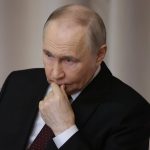
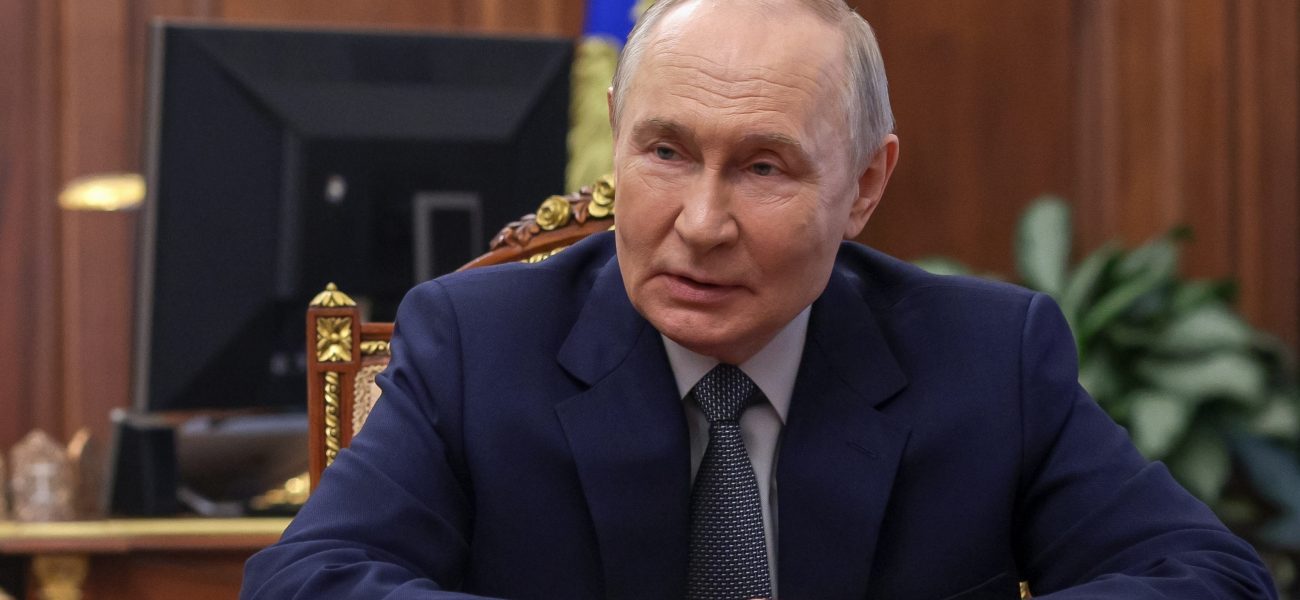
Behind the headlines, this isn’t about de-escalation; it’s a strategic maneuver veiled in humanitarian rhetoric. Moscow’s announcement, tied explicitly to its most sacred national holiday, sought to paint Ukraine as the intransigent party should fighting persist. And, of course, fighting persisted. For President Vladimir Putin, Victory Day isn’t merely a date; it’s a foundational narrative, an almost sacred ritual used to legitimize Moscow’s ongoing war and bolster domestic support.
Dmitry Peskov, the Kremlin’s indefatigable spokesman, articulated the official line with characteristic composure. “This gesture, timed to honor the sacrifices of our ancestors on Victory Day, underscores our unwavering commitment to humanitarian principles,” Peskov declared, addressing reporters with a practiced air. “Even as Kyiv continues its regrettable aggression, we extend this olive branch.” It’s a sentiment designed for consumption far beyond Russia’s borders, aimed at cultivating an image of reasonableness amidst relentless bombardment.
Kyiv, however, isn’t buying it. Not even for a second. Mykhailo Podolyak, a senior advisor to President Zelenskyy, dismissed Moscow’s declaration with undisguised contempt. “Don’t mistake a propaganda stunt for genuine peace,” Podolyak fired back via social media. “Russia’s ‘truce’ is a cynical ploy, a calculated pause for resupply, nothing more. We’ve seen this insidious play before, and we won’t fall for it.” Ukraine’s own announcement, detailing a ceasefire two days prior to Russia’s, functioned as a preemptive nullification, stripping Moscow of any moral high ground it hoped to claim.
Still, the spectacle leaves observers – particularly those in the Global South – pondering the true cost of such geopolitical theatrics. For nations like Pakistan, navigating their own complex regional dynamics and economic precarity, these performative gestures from major powers can often feel detached from the stark realities of global stability. The Ukraine conflict, irrespective of ceasefires real or imagined, continues to ripple through supply chains, exacerbating inflation and energy crises that disproportionately impact developing economies. It’s a constant, background hum of instability.
At its core, this diplomatic charade highlights the profound mistrust — an unbridgeable chasm, really — that defines the current state of Russia-Ukraine relations. The United Nations Office for the Coordination of Humanitarian Affairs (OCHA) estimates that over 14.6 million people in Ukraine will require humanitarian assistance in 2024, a stark reminder of the human toll behind these declarations and counter-declarations. This isn’t just a number; it’s millions of shattered lives, families displaced, futures upended.
📄 POLICY WIRE WHITEPAPER PUBLISHED: PAKISTAN'S NATIONAL SECURITY POLICY PRIORITIES
👉 READ BY CLICKING HEREWhat This Means
This dueling ceasefire announcement isn’t about peace; it’s pure information warfare. For Russia, it’s about projecting an image of magnanimity while consolidating tactical advantages. A temporary lull might allow for troop rotation, logistical replenishment, or even the repositioning of artillery. it aims to sow dissent within Western alliances, by suggesting Russia is open to peace while Kyiv remains obstinate. For Ukraine, rejecting Moscow’s ‘peace’ offer out of hand was crucial – legitimizing a Russian-declared truce would lend credibility to Moscow’s narrative of being a peace-seeking entity, which it demonstrably isn’t. Kyiv’s preemptive move effectively neutralized that gambit, highlighting its own agency and unwillingness to be dictated to by the aggressor.
Economically, such intermittent, performative truces do little to calm global markets. If anything, they inject further uncertainty. Traders and investors don’t see them as genuine steps towards resolution, but rather as temporary pauses in a protracted, resource-intensive conflict. This contributes to sustained volatility in commodity prices – particularly oil and grain – impacting global economic stability and disproportionately burdening import-dependent nations, often far from the battlefields of Eastern Europe. The wider geopolitical implications are also clear: these types of exchanges further entrench the perception of a frozen conflict, making a genuine, lasting peace agreement seem an increasingly distant prospect, much to the chagrin of global diplomacy.
So, as the fireworks burst over Red Square for Victory Day, the real pyrotechnics – those of propaganda and strategic deception – continue unabated along the frontlines, leaving everyone, it seems, to wonder if anything short of a decisive victory on either side will ever truly silence the guns.