

Octagon Geopolitics: ‘Russian Invasion’ Rhetoric Surrounds UFC Title Bout
POLICY WIRE — Houston, Texas — Forget the typical fight week bluster; this Saturday’s UFC 328 championship bout between Sean Strickland and Khamzat Chimaev has unexpectedly metastasized into...

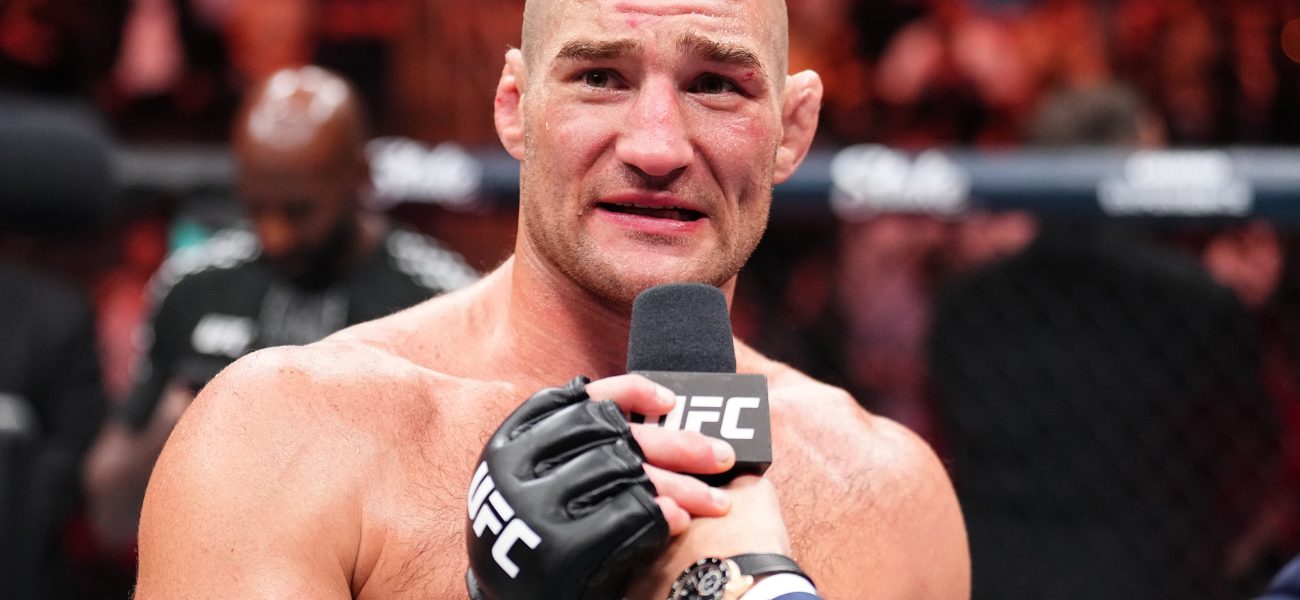
POLICY WIRE — Houston, Texas — Forget the typical fight week bluster; this Saturday’s UFC 328 championship bout between Sean Strickland and Khamzat Chimaev has unexpectedly metastasized into something far grander, and frankly, a bit unsettling. It isn’t just about middleweight supremacy; it’s being framed, with startling earnestness by some, as a proxy battle against a phantom ‘Russian invasion’ – an eerie echo of anxieties playing out on a much larger, global stage.
Former UFC contender — and now colorful analyst, Chael Sonnen, didn’t mince words. He posited Strickland as the martial arts community’s last bulwark, America’s singular hope against what he terms the ‘Chimaev era’ and, more broadly, a burgeoning Russian dominance within the sport. This isn’t just sports rhetoric, is it? It’s a loaded pronouncement, one that taps into a zeitgeist increasingly wary of perceived foreign influence.
“Strickland is the last hope,” Sonnen asserted with characteristic bravado. “He is the last line of defense between the martial arts community and having to watch Chimaev for the next period of time. I remember warning the UFC… warning them of the Russian invasions. It’s coming, the Russians are coming… Unless you want a whole bunch of guys coming in with beards and no mustaches, taking all your belts away, the only way to stop them is to not give them the opportunity.” It’s a vision, one might argue, steeped in a particular cultural lens, an almost Cold War-esque projection onto athletic prowess.
And so, the narrative takes hold: a Swedish-Chechen fighter, Chimaev (affectionately known as ‘Borz’), representing a wave of formidable competitors from Russia’s Caucuses region, versus the unapologetically American, often abrasive, Strickland. The stakes, according to Sonnen, aren’t merely a gold belt; they’re about cultural preservation – an ideological wrestling match transposed onto the octagon canvas. Indeed, the proliferation of elite talent from Dagestan and Chechnya, known for their grueling wrestling pedigrees and unyielding demeanor, has fundamentally reshaped the competitive landscape of mixed martial arts, shifting its center of gravity eastward.
But does this ‘invasion’ rhetoric resonate universally? Not quite. In many parts of the Muslim world, including burgeoning MMA markets across South Asia, these fighters are celebrated figures, symbols of resilience and martial integrity. “For communities in Pakistan, for instance, fighters like Chimaev represent a different kind of heroism,” offered Dr. Aisha Rahman, a geopolitical analyst specializing in Central Asian cultural movements. “They embody discipline, faith, — and an indomitable spirit – traits deeply revered. To frame their success as an ‘invasion’ misses the nuanced cultural pride they ignite, particularly among youth looking for homegrown heroes.” It’s a perspective often overlooked in Western media, yet utterly pivotal to understanding the global phenomenon of MMA.
Still, the UFC itself has seemingly reacted to this shift. There’s been a perceptible cooling on signing every promising prospect from the region. Many top-tier fighters from that part of the world are now finding berths in rival promotions like the PFL. It’s a stark contrast to the red-carpet treatment often afforded to a random 6-0 American fighter on the Contender Series. One could speculate it’s a strategic move, or perhaps a tacit acknowledgment of the dominance Sonnen so dramatically decries. Globally, the MMA market, according to Statista, is projected to reach a staggering $10.5 billion by 2027, fueled largely by an explosion of interest in non-traditional Western markets, where these ‘invaders’ are often local champions.
📄 POLICY WIRE WHITEPAPER PUBLISHED: PAKISTAN'S NATIONAL SECURITY POLICY PRIORITIES
👉 READ BY CLICKING HEREAt its core, this isn’t just about who wins a fight; it’s about the narratives we construct around competition, and how those narratives reflect broader societal anxieties and aspirations. The ‘Chimaev era’ itself, incidentally, might be a fleeting one in the middleweight division. ‘Borz’ has repeatedly signaled his intent to vacate the 185-pound class, win or lose, and pursue a second title at 205 pounds. So, even if Strickland fails to repel this specific ‘invasion,’ Chimaev’s ambitions might simply move the front line.
What This Means
The highly charged rhetoric surrounding the Strickland-Chimaev fight underscores the increasingly blurry lines between sports, culture, and geopolitics. On one hand, it’s a shrewd marketing ploy, injecting a dramatic, almost cinematic, tension into a combat sports event. On the other, it reflects very real, underlying cultural anxieties about shifting global power dynamics — and identity. The notion of a ‘Russian invasion’ in sports taps into contemporary political fears, even when the athletes themselves hail from diverse backgrounds within Russia’s sphere of influence or, in Chimaev’s case, represent multiple national identities.
Economically, the rise of non-Western fighters and the subsequent global fan engagement (particularly from regions like the Middle East and South Asia) represents a significant pivot for the UFC and the broader MMA industry. It mandates a delicate balancing act for promoters: how to capitalize on this expanding talent pool and fan base without alienating traditional viewership or inadvertently fueling nationalist sentiments. The nuanced reception of these fighters in places like Pakistan, where sports heroes can become powerful symbols of national pride and cultural strength – much like Babar Azam’s enduring appeal in cricket – offers a crucial counter-narrative to the ‘invasion’ framing. Ultimately, the fight, and the dialogue surrounding it, is a microcosm of a hyper-globalized world grappling with identity, competition, and the complex politics of representation.