


The Unforgiving Spotlight: Why Frankfurt’s Coaching Saga Echoes Broader Leadership Crises
POLICY WIRE — Frankfurt, Germany — The lifespan of a modern football manager often seems shorter than a summer intern’s tenure. In an industry ravenous for immediate gratification and perpetually...

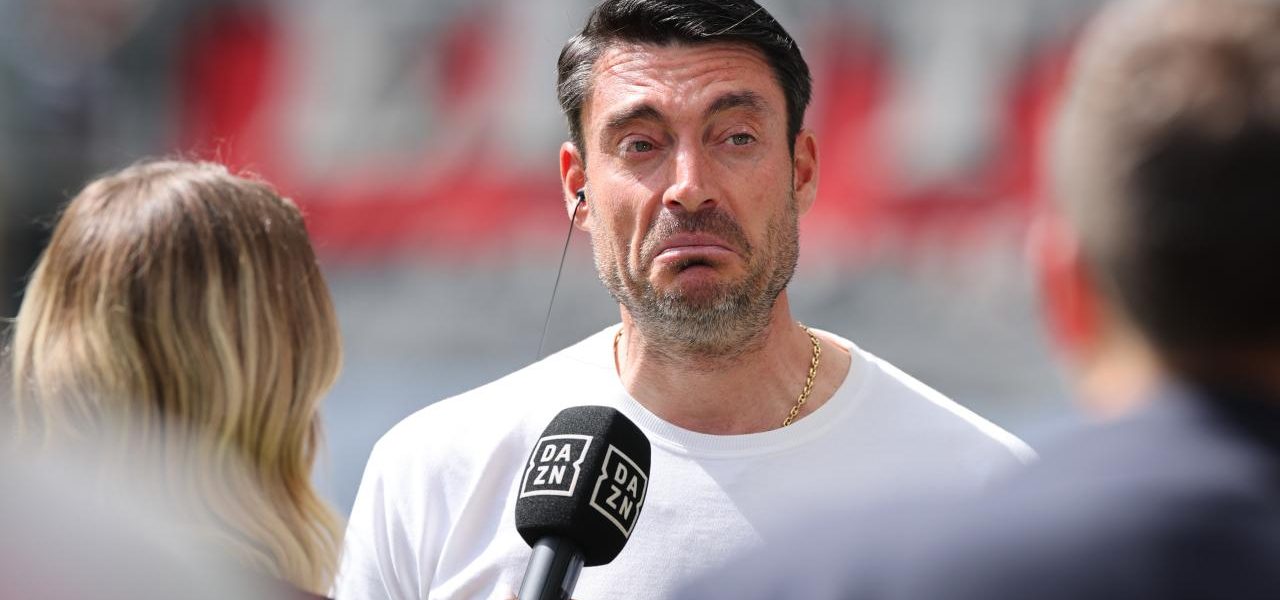
POLICY WIRE — Frankfurt, Germany — The lifespan of a modern football manager often seems shorter than a summer intern’s tenure. In an industry ravenous for immediate gratification and perpetually chasing the elusive alchemy of success, few survive the initial tumult, let alone thrive. Eintracht Frankfurt’s Albert Riera, barely three months into his stewardship, appears precariously perched on the brink of joining the swiftly discarded.
It’s not just the ledger of results, though that’s certainly grim – one solitary victory marring his last six outings. No, Riera has, by all accounts, engineered his own public relations maelstrom. He’s managed to garner considerable media attention, much of it negative, culminating in a rather public lashing out at journalists reporting on a purported rift between himself and striker Jonathan Burkardt. These stories, he declared, were nothing more than “lies.”
But that defiance, far from cementing his authority, seems only to have exacerbated the scrutiny. Lothar Matthäus, a figure whose pronouncements carry considerable weight in German football circles, wasted no time in weighing in. “I don’t wish any coach to be sacked. I’ve experienced such situations myself for other reasons,” the Germany legend opined on Sky Germany, his tone laced with an almost weary familiarity. “But Riera is partly responsible himself. In Frankfurt over the past three or four months, everything has revolved around the coach, also due to some of his own statements.” It’s a damning assessment, delivered with the practiced detachment of a seasoned pundit.
Still, the parallels Matthäus drew were particularly stinging, invoking the ghost of Sandro Wagner, another coach whose outspoken media presence preceded a swift dismissal from Augsburg after less than half a year. “This situation reminds me of Sandro Wagner in Augsburg. Like Wagner, Riera needs to learn to operate in a way that keeps him less in the media spotlight as a coach,” Matthäus observed, his words a thinly veiled warning. The implication? A coach’s primary stage should be the touchline, not the press conference podium.
So, what about the architects of this particular leadership gamble? Markus Krösche, Frankfurt’s chief executive, finds himself in an unenviable position, having championed Riera’s appointment. “We stand by our appointments and decisions, always evaluating performance against our strategic objectives,” asserted Krösche earlier this week, subtly underscoring the performance-driven mandate without directly addressing Riera’s precarious position. “It’s a challenging environment, and we’re committed to finding the right path forward for Eintracht.” A corporate platitude, perhaps, but one that betrays a nascent anxiety. Matthäus, ever the pragmatist, offered a stark, if unsolicited, piece of advice: Frankfurt would be prudent to acknowledge a misstep, much as Bayer Leverkusen did with Erik ten Hag early in their season.
And Matthäus’s conclusion was unequivocal: “I don’t believe Riera has a future in Frankfurt. Too much has happened for that.” It’s a harsh truth, delivered with the blunt force of a veteran who’s seen this play out countless times before. The average tenure for a Bundesliga coach in recent seasons has hovered around 1.5 years, according to Kicker data, a stark indicator of the industry’s profound impatience.
This immediate, unforgiving scrutiny isn’t unique to European football’s upper echelons; it’s a global phenomenon. In Karachi, for instance, the public’s fervor for cricket is such that a national team coach, irrespective of their origin, can face similar, often virulent, media backlash after a string of poor performances, their professional fate hinging on an increasingly fickle public mood and ever-present digital punditry. It’s a stark reminder that the pressure cooker of modern leadership knows no geographic bounds.
What This Means
At its core, the Riera saga at Eintracht Frankfurt is more than just a sports story; it’s a policy case study in corporate governance, talent management, and the brutal optics of public leadership. Clubs, much like corporations or political parties, make high-stakes appointments, often driven by a blend of data, intuition, and market buzz. When these gambles sour, the fallout isn’t just about results on the field or quarterly earnings; it’s about reputational damage, the erosion of stakeholder trust, and — crucially — the financial implications of severance packages and subsequent recruitment drives.
Behind the headlines of specific matches lies a broader lesson: the modern leader, whether in sport or statecraft, must be as adept at managing perception as they’re at strategy. Riera’s misstep wasn’t just tactical; it was a failure to navigate the complex, often predatory, media landscape. This environment demands a nuanced understanding of public sentiment, a skill as vital as any tactical blueprint. The rapid churn of managers reflects a widespread societal demand for instant success, but also a systemic flaw in how institutions evaluate and support their leadership, often setting them up for public failure. The challenge of cultivating long-term talent, especially under immense pressure, resonates across industries – from European football academies to Spain’s geopolitical talent shifts, or even the complex dynamics of health policy debates in Pakistan where public trust and media narratives significantly sway outcomes. It’s a cycle of hire-fire-repeat that rarely addresses underlying structural deficiencies, preferring instead to scapegoat the most visible figure.