


Mexico’s Subterranean Labyrinth: A Geopolitical Fault Line Beneath the Tourist Glitter
POLICY WIRE — Mexico City, Mexico — Beyond the turquoise glint of the Caribbean and the cacophony of Riviera Maya resorts, an altogether different struggle unfolds in Mexico’s Yucatán...

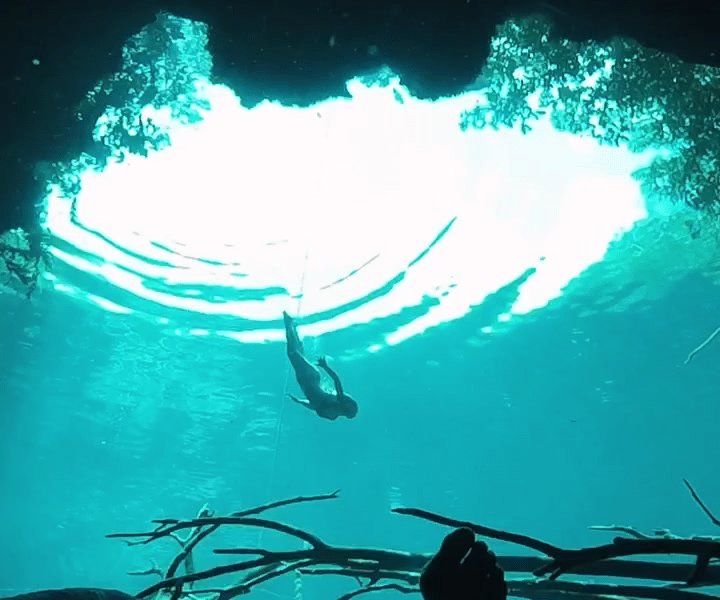
POLICY WIRE — Mexico City, Mexico — Beyond the turquoise glint of the Caribbean and the cacophony of Riviera Maya resorts, an altogether different struggle unfolds in Mexico’s Yucatán Peninsula: a silent, subterranean battle for control over a labyrinthine network of underwater caves. These aren’t just geological marvels; they’re the arteries of an entire ecosystem, the wellspring of cultural heritage, and, increasingly, the flashpoint for profound policy dilemmas.
It’s not the casual diver’s thrill that captures the attention of state planners and international conservationists alike. Rather, it’s the astonishing volume of fresh water — the very lifeblood of the region — that flows through these hidden conduits. And, perhaps more acutely, it’s the colossal economic stakes riding on their future, pitting rapid-fire tourism development against ancestral reverence and vital ecological stewardship. The stakes, you see, are higher than ever.
For decades, these cenotes, as they’re locally known, have lured adventurers and scientists, their crystalline waters and ancient formations offering a glimpse into both primordial Earth and Mayan underworld lore. But beneath their undeniable allure, a fraught narrative is unfolding. Developers, eyeing the insatiable demand for novelty tourism, envision grander access, more hotels, and infrastructure that could, experts warn, irrevocably compromise these delicate karst systems. It’s a classic resource conundrum, distilled into an almost liquid form.
Miguel Ángel Torruco Marqués, Mexico’s Secretary of Tourism, doesn’t mince words about the economic imperative. “These cenotes aren’t just natural wonders; they’re vital economic engines for entire communities, drawing in visitors whose dollars fund schools and infrastructure. We’re talking about livelihoods, about upward mobility for countless families,” he asserted during a recent press briefing, emphasizing the government’s dual mandate for growth and preservation, a tightrope walk indeed. Mexico’s tourism sector, a significant contributor to its GDP, generated over $28 billion in 2023, with a substantial portion flowing into regions renowned for their natural attractions like the Yucatán Peninsula’s cenotes, according to Mexico’s Ministry of Tourism data. That’s a staggering sum.
But the calculus isn’t so simple for others. Xochitl Gómez, a firebrand spokesperson for the Sian Ka’an Indigenous Council, shot back, “The very idea that we can commodify these sacred spaces without considering their deep ecological interconnections — and our ancestral ties to them — is a profound act of disregard. We don’t just ‘use’ this water; it’s part of who we’re, part of our spiritual landscape.” Her impassioned plea underscores a chasm between purely economic valuations and cultural, existential ones. We’ve seen this script play out before, haven’t we?
📄 POLICY WIRE WHITEPAPER PUBLISHED: PAKISTAN'S NATIONAL SECURITY POLICY PRIORITIES
👉 READ BY CLICKING HEREBehind the headlines of spectacular discoveries and tourist brochures lies a complex web of indigenous rights, national sovereignty over natural resources, and the increasingly urgent global debate on climate change. Aquifers in these systems are susceptible to saltwater intrusion and contamination from unchecked development, threatening a primary source of potable water for millions. It’s a precarious balancing act, one that echoes the challenges faced by nations far removed from the Yucatán, like Pakistan, where ancient water management systems and culturally significant springs grapple with modern agricultural demands and burgeoning urban sprawl. The struggle to preserve scarce resources — and heritage is, regrettably, a universal one.
And so, as the world marvels at images of submerged stalactites — and ancient pottery, a more pressing drama plays out. It’s a drama of policy, power, — and the profound, long-term implications of short-term gains. The delicate fragility of ecosystems — whether a cenote or a colossal athlete — often only becomes apparent when it’s too late. Still, vigilance prevails.
What This Means
The unfolding scenario in Mexico’s subterranean realm isn’t merely an environmental issue; it’s a geopolitical crucible. Economically, the region stands at a crossroads: either embrace sustainable tourism models that prioritize ecological integrity and indigenous participation, or risk poisoning the very wellsprings (literally and figuratively) that draw visitors in the first place. This represents a significant long-term investment risk for international capital flowing into Mexican tourism. Politically, it pits federal development ambitions against local community rights and environmental advocacy groups, creating potential for protracted legal battles and social unrest. It’s a potent reminder that resource nationalism isn’t just about oil or minerals; it extends to water, land, and even the intangible value of cultural heritage. with rising global temperatures and shifting rainfall patterns, the strategic value of these freshwater reserves will only intensify, making their governance a matter of critical national security. The question isn’t just how to enjoy these wonders, but how to ensure they endure.