


In a League of Transience, Narine’s Improbable Loyalty Becomes a Billion-Dollar Anomaly
POLICY WIRE — New Delhi, India — In a sporting landscape increasingly defined by transient allegiances and the relentless pursuit of larger contracts, an anomaly recently etched his name into the...

POLICY WIRE — New Delhi, India — In a sporting landscape increasingly defined by transient allegiances and the relentless pursuit of larger contracts, an anomaly recently etched his name into the annals of India’s cricketing juggernaut, the Indian Premier League (IPL). It wasn’t merely a statistical benchmark—though it was that too—but a profound testament to an enduring partnership that, in the cutthroat world of professional sports, borders on the anachronistic. Sunil Narine, the West Indian spinner whose enigmatic variations have befuddled batsmen for over a decade, quietly surpassed 200 wickets for a single IPL franchise, the Kolkata Knight Riders (KKR).
This isn’t just about a bowler reaching a double-century of dismissals; it’s about a player completing this feat for *one* team. In a league where player auctions routinely dismantle rosters and loyalty often yields to the highest bidder, Narine’s fifteen-season tenure with KKR stands as a peculiar outlier, a defiant counter-narrative to the prevailing winds of athletic free agency. It suggests, perhaps, that some bonds — forged in the heat of competition and the glare of global scrutiny — prove more resilient than any balance sheet.
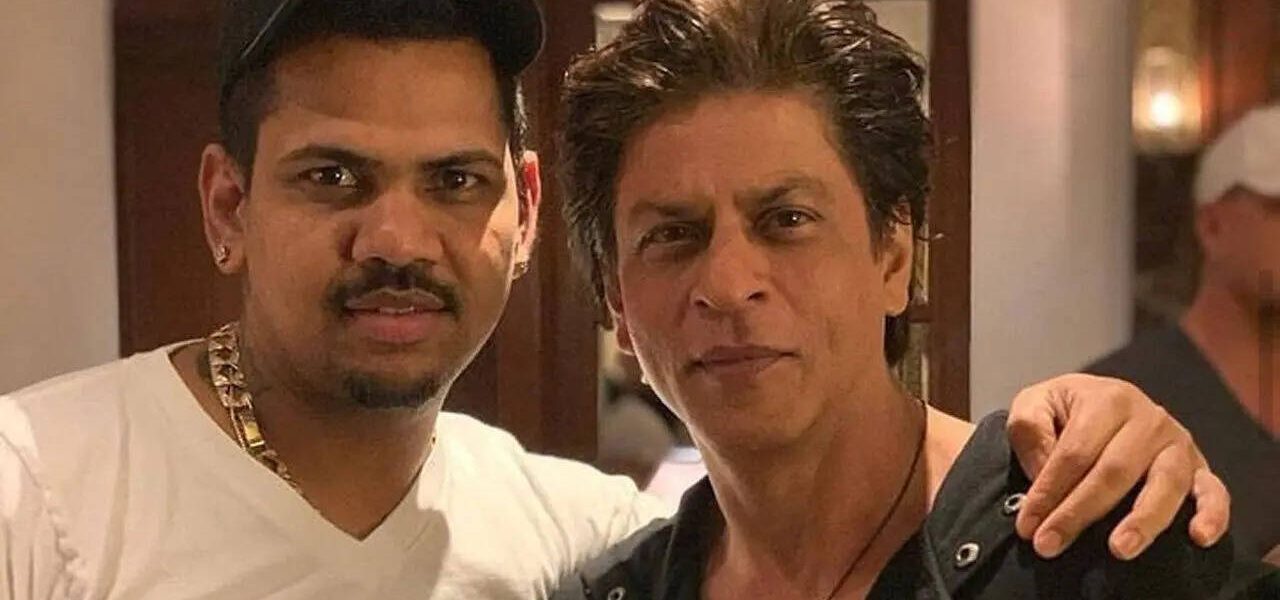
The milestone culminated in a match against Sunrisers Hyderabad, where Narine’s figures of 2/31 helped KKR to victory. But the real story wasn’t just the wickets; it was the whispered acknowledgment of a remarkable journey. Shah Rukh Khan, KKR’s co-owner and a Bollywood titan, was quick to articulate the sentiment that reverberated across social media and through the franchise’s faithful. “Sunil, my friend… here’s to 15 seasons… over 200 wickets… 3 titles and many more with the @KKRiders franchise around the globe!!! You are a magician — and we love you like our own family. Big hug for today and always… Be healthy and keep smiling!” Khan’s heartfelt tribute, shared publicly, underscored a relationship that transcends typical employer-employee dynamics.
And it’s a relationship with tangible value. Dr. Anirban Ghosh, a prominent sports economist — and commentator with Star Sports, weighed in on the broader implications. “In an era where player mobility is at its zenith, where multi-million dollar contracts often dictate allegiance season by season, Narine’s steadfastness is anachronistic,” Ghosh opined. “It isn’t just a cricketing marvel; it’s a branding triumph, a masterclass in cultivating an enduring fan base that money alone simply can’t buy.” He’s not wrong. Narine, hailing from Trinidad and Tobago, has become synonymous with the purple and gold of Kolkata, a city known for its fervent sporting passions.
Still, Narine’s consistency isn’t merely emotional theatre. The West Indian all-rounder — a title he’s worn with increasing versatility over the years — isn’t just racking up wickets; he’s doing it with unparalleled economy. Among bowlers who have delivered at least 1800 balls in IPL history, Narine boasts the best economy rate, a paltry 6.79 runs per over, as per official IPL records. This remarkable efficiency places him ahead of legendary figures like Dale Steyn (6.91) and Harbhajan Singh (7.07), underscoring his tactical importance beyond sheer wicket tally. From an MVP in 2012 and 2018 to a pivotal component in KKR’s 2012, 2014, and recent 2024 title victories, his contribution has been unwavering.
What This Means
At its core, Narine’s remarkable tenure for KKR illuminates several key policy and economic currents shaping modern sports. First, it highlights the immense, often undervalued, power of player loyalty in building sustainable brand equity for franchises. In a league that annually cycles through talent, a consistent face like Narine becomes a critical anchor for fan engagement and commercial partnerships, translating into real financial value. Franchises like KKR benefit from this continuity, fostering a narrative of tradition and belonging that resonates deeply with supporters, particularly across cricket-mad South Asia and its global diaspora.
📄 POLICY WIRE WHITEPAPER PUBLISHED: PAKISTAN'S NATIONAL SECURITY POLICY PRIORITIES
👉 READ BY CLICKING HERESecond, it prompts a re-evaluation of player retention strategies. While mega-auctions generate significant hype, the long-term economic dividends of nurturing and retaining key talent might outweigh the short-term speculative gains of constant roster turnover. Narine’s case suggests a viable, albeit less common, pathway for franchise development. For instance, teams that invest in developing a core group of loyal players might build stronger institutional knowledge and team cohesion, reducing the inherent volatility associated with sports performance. This isn’t just about winning titles; it’s about creating a stable, identifiable entity in an increasingly commodified global sports market.
And third, the IPL itself, as a premier global sporting spectacle, serves as a powerful instrument of soft power for India. Its ability to attract and retain international talent like Narine, a cricketer from the Caribbean with a significant following in Muslim-majority communities globally, underscores its cultural reach. The league doesn’t just entertain; it generates massive economic activity, facilitates cross-cultural exchange, and establishes India’s dominance in the global cricketing ecosystem. Narine’s story, therefore, isn’t just a personal triumph; it’s a microcosm of the IPL’s formidable economic and cultural footprint, extending far beyond the boundary ropes and into the intricate fabric of international relations and sports economics.
So, as the celebratory echoes fade, the true significance of Narine’s milestone emerges — not just as a statistical blip, but as a compelling case study in the enduring value of allegiance in a world often quick to cast it aside.