

From Silesian Mines to European Nights: Podolski’s Cup Triumph Ignites Zabrze, Signals Broader Ambitions
POLICY WIRE — Zabrze, Poland — It wasn’t the Champions League anthem, nor the roar of an 80,000-seat German behemoth, but the exultant cries echoing through the damp, subterranean tunnels of a...

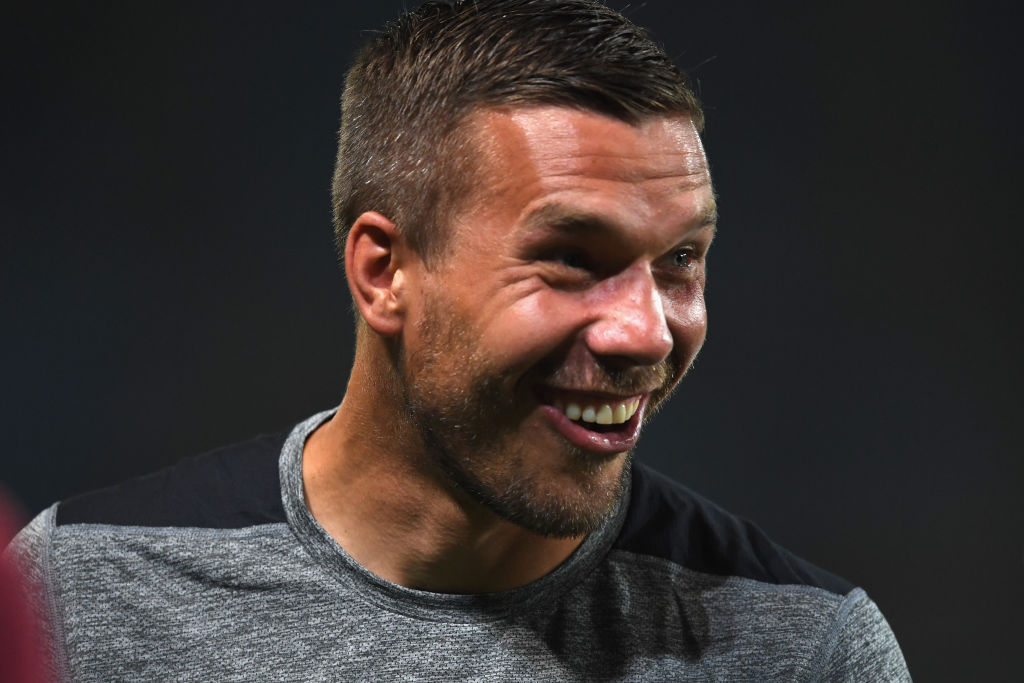
POLICY WIRE — Zabrze, Poland — It wasn’t the Champions League anthem, nor the roar of an 80,000-seat German behemoth, but the exultant cries echoing through the damp, subterranean tunnels of a provincial Polish stadium carried a weight far heavier than mere silverware. Lukas Podolski, the erstwhile German international with a World Cup etched into his curriculum vitae, didn’t just win a cup; he catalyzed a narrative shift for Górnik Zabrze, a club (and a region) long synonymous with industrial decline and faded glory. This wasn’t merely a football match; it’s a parable about the enduring power of celebrity, community, and the subtle, often overlooked, economic currents flowing beneath the beautiful game.
Five years ago, ‘Prinz Poldi’ made the improbable decision to return to the club of his boyhood dreams, a commitment that many pundits initially dismissed as a sentimental valediction. But yesterday, that sentimentality culminated in a tangible triumph: the Polish Cup, snatched after a 54-year drought so protracted it predates the internet, color television, and, for many fans, their very existence. And with it, a coveted berth in the Europa League qualifiers – a pathway, however fraught, back to continental relevance. It’s a remarkable turnaround, illustrating how a single, globally recognized figure can re-energize a struggling entity, injecting both capital and — perhaps more critically — hope.
Still, the real story here transcends the scoreline. Zabrze, an industrial city in Poland’s Silesia region, has grappled with the post-communist transition, the closure of coal mines, and the perpetual brain drain of its youth. Górnik Zabrze, once a dominant force in Polish football, mirrored this trajectory. Podolski’s presence, therefore, became more than just a striker on the pitch; he’s become a symbol of resilience, a tangible link to a glorious past while simultaneously sketching out a hopeful future. He isn’t just playing; he’s investing emotional equity.
But how does a football victory, however cathartic, translate into broader policy impact? Quite directly, one might contend. The club’s financial stability, its ability to attract sponsors and talent, and even the local economy receive an undeniable shot in the arm. Consider the collective revenues of the Polish Ekstraklasa, which according to Deloitte’s analysis, collectively surpassed PLN 500 million (approximately €115 million) in the 2022/23 season. A significant portion of this trickles down to local economies through matchday spending, tourism, and increased visibility. Górnik’s foray into Europe will undoubtedly swell those coffers further, providing not just prize money but invaluable international exposure.
Lukas Podolski, never one to shy from a direct statement, articulated this sentiment after lifting the trophy. “This wasn’t just about another medal for my collection; it was about honoring generations of fans, of workers from the mines, who’ve carried this club’s spirit,” he shot back, his voice hoarse from celebration. “It’s their moment, not mine, and I’m just incredibly proud to have played a part.” His humility, though perhaps calculated, resonates deeply with the working-class ethos of the region.
Indeed, the narrative of a veteran star returning to elevate his childhood club isn’t unique to Silesia. It’s a recurring theme in global football, resonating from the bustling favelas of Brazil to the fervent stadiums of South Asia. Communities in Pakistan, for instance, despite their geographical distance, follow European football with an intensity that often surprises Western observers, finding shared passion in the universal stories of underdog triumph and star power. This particular victory, with its rags-to-riches undertones, wouldn’t have gone unnoticed in the vast, football-loving populations of the Muslim world, illustrating the sport’s unparalleled soft power.
“This victory isn’t just a sporting triumph; it’s a profound investment in our city’s morale, an economic stimulant,” remarked Marshal Jakub Chełstowski, Governor of the Silesian Voivodeship, in a post-match statement. “It’s a beacon for Zabrze and wider Silesia, showing we’re not just about coal dust and history, but about dynamism and future prospects on the European stage.” Such pronouncements aren’t mere political platitudes; they reflect a tangible shift in regional branding and ambition, leveraging sporting success to project a more modern, forward-looking image.
What This Means
At its core, this triumph for Górnik Zabrze and Lukas Podolski represents a convergence of sporting ambition and socio-economic regeneration. For one, the qualification for the Europa League isn’t just about prestige; it brings critical revenue streams from broadcast rights, sponsorship deals, and increased ticket sales. It’s a financial lifeline for a club that, like many outside Europe’s elite leagues, operates on tighter margins. This influx of capital can be reinvested in infrastructure, youth academies, and attracting new talent, creating a virtuous cycle.
But there’s a more profound, albeit less quantifiable, impact. The victory fosters a sense of collective identity and pride, crucial for a region striving to redefine itself post-industrialization. It’s a psychological boost for residents, a source of local patriotism that transcends political divisions (for a few hours, anyway). it subtly enhances Poland’s sporting profile on the international stage, demonstrating that even clubs from smaller leagues can harbor significant ambition and execute compelling narratives. Behind the headlines of exuberant tunnel celebrations, a complex interplay of economics, identity, and soft diplomacy is unfolding. The question isn’t whether Podolski will remain, as his contract nears its end; it’s whether Zabrze can parlay this fleeting moment of glory into sustained growth, anchoring its future firmly in Europe’s broader sporting and economic landscape. It’s a high-stakes gamble, but for now, they’ve won the first pot.