

Sun-Baked Ambition: Israel Greenlights Gigantic Solar Plant Amidst Regional Scrutiny
POLICY WIRE — Tel Aviv, Israel — The desert sun, once merely a searing backdrop to ancient narratives and modern conflicts, is now Israel’s audacious bid for a new kind of power. Not...

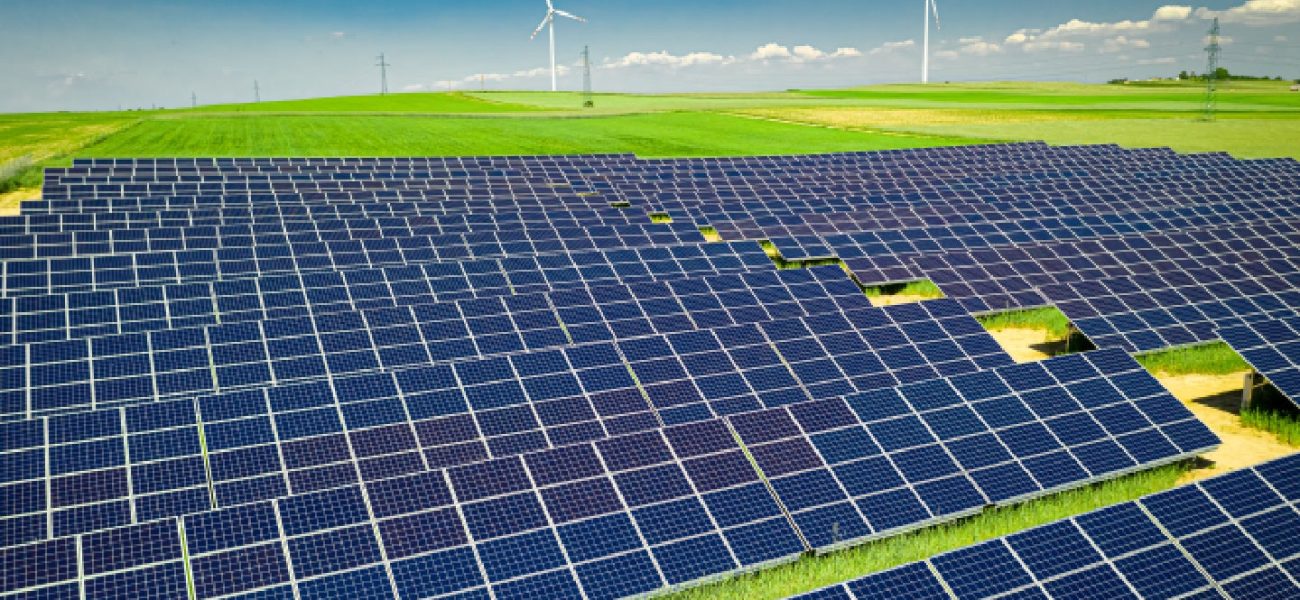
POLICY WIRE — Tel Aviv, Israel — The desert sun, once merely a searing backdrop to ancient narratives and modern conflicts, is now Israel’s audacious bid for a new kind of power. Not military, nor diplomatic — but clean energy. This week, after years of bureaucratic churn, the nation’s largest solar power facility — a sprawling behemoth planned for the Negev Desert — finally received its unequivocal green light, a decision that quietly reshapes Israel’s energy calculus.
It wasn’t a sudden pronouncement; these things rarely are. Instead, it was the culmination of countless planning meetings, environmental impact assessments, and a surprising amount of haggling over land use in a region that, let’s be frank, has plenty of sun-drenched, unpopulated terrain. Still, the final approval marks a consequential milestone for a nation often perceived as a tech superpower, yet one surprisingly reliant on fossil fuels for its immediate power needs.
The facility, once fully operational, won’t just be Israel’s largest; it’s designed to significantly bolster the country’s renewable energy portfolio, nudging it closer to ambitious, if not always easy-to-reach, climate targets. And that’s the rub: for all the innovation Israel champions, its clean energy transition has often moved at a glacial pace compared to some of its European counterparts. This project, developers contend, is a seismic shift, a visible commitment to a greener grid.
Energy Minister Eli Cohen — a vocal proponent of energy independence — didn’t mince words when addressing the project’s broader implications. “This isn’t merely about megawatts; it’s about forging an energy future that’s both secure and sustainable for our people,” Cohen shot back during a recent press briefing. “We’re showing the world what commitment to green energy truly looks like, even in a complex neighborhood.” His pronouncements carry weight, as Israel grapples with fluctuating global energy markets and the ever-present specter of regional instability.
But not everyone views the project through such an unblemished lens. Dr. Lena Hassan, a senior analyst at the Middle East Institute, offered a more tempered perspective, her voice betraying a hint of seasoned skepticism. “While a step in the right direction, one solar plant, however immense, won’t unilaterally cool geopolitical temperatures or solve the broader climate crisis gripping the Levant,” she observed. “It’s a localized gain in a global battle, often fought on far larger battlegrounds than the Negev.” Indeed, the region’s environmental woes — water scarcity, desertification — demand a scale of cooperation that individual national projects, however grand, can’t deliver alone.
📄 POLICY WIRE WHITEPAPER PUBLISHED: PAKISTAN'S NATIONAL SECURITY POLICY PRIORITIES
👉 READ BY CLICKING HEREThis isn’t to diminish the technical achievement. The new plant, leveraging cutting-edge photovoltaic technology, will reportedly generate enough electricity to power hundreds of thousands of homes. It’s a considerable leap, particularly given that, as of 2022, Israel derived only about 10% of its electricity from renewable sources, lagging behind its own stated goal of 30% by 2030, according to data from the Israeli Ministry of Energy. So, it’s about playing catch-up, isn’t it?
Across the broader Muslim world, from arid stretches of the Gulf to the monsoon-battered plains of South Asia, the quest for reliable, affordable, and green energy presents a strikingly similar — and often more dire — challenge. Pakistan, for instance, a nation plagued by chronic power shortages and increasingly vulnerable to extreme climate events (recall the devastating 2022 floods), has been striving to attract investment in renewables, but political instability and economic constraints often stymie progress. The Israeli initiative, in its sheer scale and governmental backing, offers a stark contrast, highlighting the significant capital and political will required to truly pivot away from fossil fuels — resources many developing nations desperately lack. It’s a reminder that environmental shifts transcend borders, yet solutions are often constrained by them.
What This Means
At its core, Israel’s greenlighting of this massive solar project signals a double-edged strategic play. Economically, it’s a tangible stride towards mitigating reliance on imported fossil fuels, bolstering energy security, and — perhaps — stabilizing electricity prices in the long run. There’s also the potential for technological spillover, cementing Israel’s reputation as an innovation hub, attracting further foreign direct investment into its burgeoning cleantech sector. Politically, it’s a performative act as much as a practical one. It projects an image of a forward-thinking, environmentally conscious nation, potentially (if subtly) countering narratives that focus solely on conflict. Still, we shouldn’t confuse megawatts with miracles. While it’s a domestic win, it’s unlikely to trigger immediate, widespread regional cooperation on energy, given the deep-seated political divisions. Regional players, particularly those in the Gulf like the UAE and Qatar, have their own significant renewable energy agendas, often pursued through distinct geopolitical alignments. This Israeli venture, then, stands as a testament to national prerogative in the face of a universal crisis, a powerful statement delivered not through rhetoric, but through the silent, relentless work of solar panels.