


Jerusalem’s Sporting Crucible: Beitar’s Conquest, Fading Hopes, and the Enduring Resonance of Football
POLICY WIRE — Jerusalem — The roar of Teddy Stadium wasn’t just celebrating goals; it underscored the relentless pressure cooker that’s football in a city burdened by millennia of...

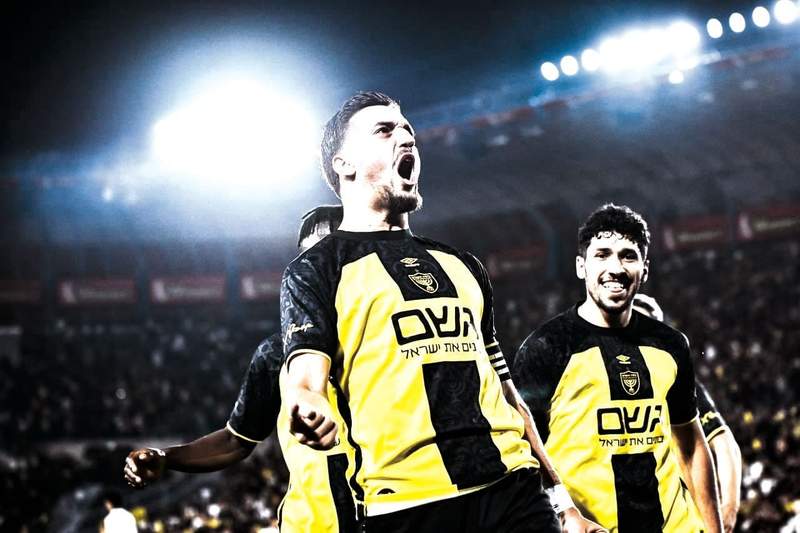
POLICY WIRE — Jerusalem — The roar of Teddy Stadium wasn’t just celebrating goals; it underscored the relentless pressure cooker that’s football in a city burdened by millennia of significance. Beitar Jerusalem, a club whose name evokes complex political heritage, didn’t merely defeat Maccabi Tel Aviv; they engineered a 4-2 conquest, tightening their grip on a league title many had conceded.
It wasn’t a defensive masterclass. The capital’s team trailed early after Ido Shachar’s strike. But this mercurial Beitar squad pivoted sharply. Captain Yarden Shua promptly nullified the deficit, setting off goals from Johnbosco Kalu — and Brayan Carabali. A 3-1 lead materialized, then partially evaporated before halftime when Tyrese Asante narrowed the gap, leaving the home crowd anxious.
Yet, the second half delivered a decisive blow. Omer Atzily netted another for Barak Itzhaki’s side, cementing a victory less about tactical perfection, more about sheer willpower. “We’ve got bundles of character, but honestly, conceding early goals? Not a habit we’re fond of,” coach Itzhaki remarked. “But we pulled it back. Our fans at Teddy? They’re just consequential for our success—you can’t overstate it.”
For Maccabi Tel Aviv, the narrative unfurled differently. Their yellow-and-blue hopes, once vibrant, now appear fading; a nine-point chasm opening to the summit. Ronny Deila, Maccabi’s coach, didn’t mince words. “Many elements weren’t up to standard—a glaring lack of intensity, insufficient pressure, defensive lapses, too much dawdling,” Deila asserted. “We had a good start, but should’ve leveraged that momentum, been braver. This performance fell beneath expectations. It’s a bitter pill.”
But the race isn’t merely a two-horse affair. Hapoel Beersheba, Beitar’s primary antagonist, kept pace with a disciplined 2-0 dispatch of Hapoel Tel Aviv. Beitar’s slender one-point lead now carries the psychological heft of a decisive head-to-head victory, especially with only six matchdays remaining. This isn’t just about athletic prowess; it’s about endurance, composure, and the visceral connection between a team and its city.
These aspirations, for sporting glory or national pride, aren’t confined to local borders. In the broader Muslim world, including Pakistan and other South Asian nations, football commands an almost religious following. The fervor, collective identity forged through team loyalty, transcends divides. Local rivalries offer a similar, localized psychological release—a shared narrative briefly eclipsing daily realities. “Together as one,” as Beitar captain Shua put it, isn’t just a cliché; it’s an ideal that resonates, a yearning for cohesion in a fragmented world.
📄 POLICY WIRE WHITEPAPER PUBLISHED: PAKISTAN'S NATIONAL SECURITY POLICY PRIORITIES
👉 READ BY CLICKING HEREMeanwhile, Maccabi Haifa also notched a critical 2-1 victory, despite a missed penalty, showcasing the league’s cutthroat nature. This intensity generates not just passion but tangible economic activity. According to the Israeli Ministry of Sport and Culture, professional football contributes an estimated ₪2.1 billion (approximately $570 million USD) annually to the national economy, supporting thousands of jobs and fueling local commerce—a significant data point for a relatively small nation.
What This Means
Beitar Jerusalem’s triumph isn’t just another notch; it’s a profound statement of intent in a season bristling with geopolitical undertones. For a club steeped in its hometown’s complex identity, a league title carries symbolic capital. Such victories, particularly in Jerusalem, can subtly reinforce local identities — and even political narratives. They act as a unifying force (or sometimes a dividing one), giving citizens shared focus, a collective joy or despair. Economically, a championship run translates into increased ticket sales, merchandise revenue, and lucrative sponsorship deals, injecting dynamism.
In a world grappling with discord, the universal language of sport, evoking powerful emotions and fostering collective identities, retains enduring, often overlooked, significance. The Israeli Premier League’s drama, while seemingly insular, mirrors the global rivalries and economic intrigue defining top-tier sports. Even in contentious regions, pursuing a common goal—winning a football match—can, for ninety minutes, create a semblance of shared purpose, a temporary suspension of broader ideological divides. That, in itself, is a policy outcome worth pondering. It isn’t just about goals; it’s about community, identity, — and the human need for belief. This dynamic, blending local passion with broader implications, plays out similarly from Pakistan’s cricket fields to Southeast Asia’s packed football stadiums.