


Veteran Cassandra Warns of Imminent Economic Precipice: A Looming Market Meltdown
POLICY WIRE — New York, United States — While Wall Street’s most ardent optimists continue to chant the mantra of a ‘soft landing,’ clutching at every flicker of positive data like a drowning...

POLICY WIRE — New York, United States — While Wall Street’s most ardent optimists continue to chant the mantra of a ‘soft landing,’ clutching at every flicker of positive data like a drowning man to a straw, a venerable market Cassandra is sounding an unmistakable alarm. It’s a discordant note in the prevailing chorus of bullish exuberance, one few seem genuinely prepared to heed.
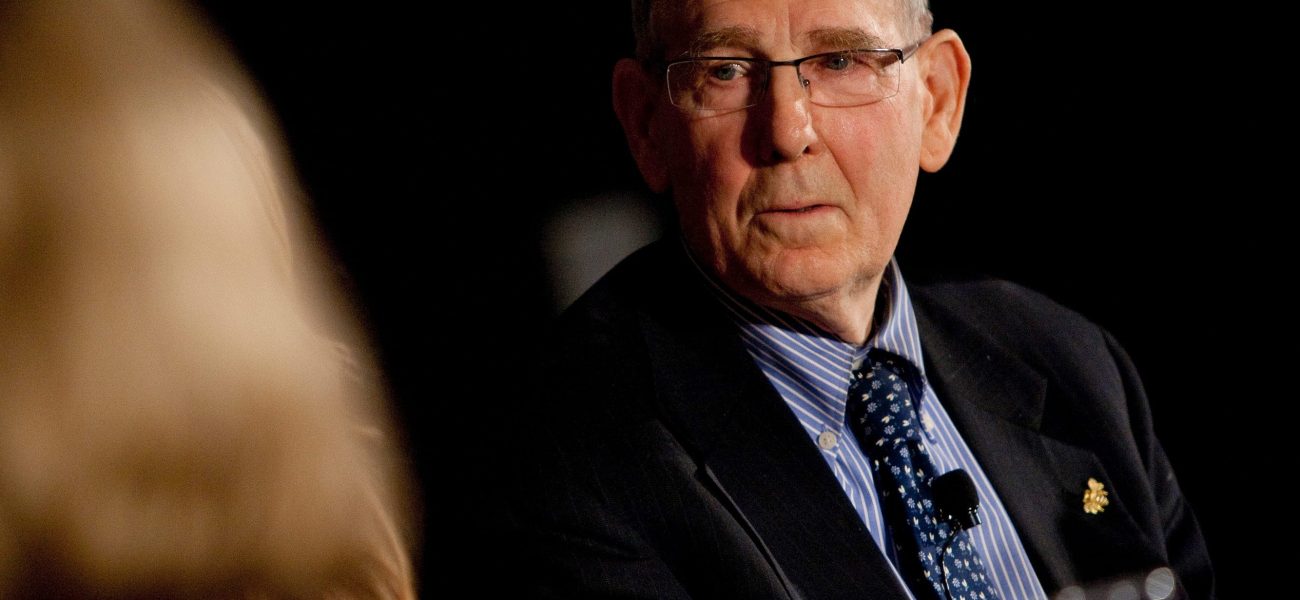
And so, veteran economist Gary Shilling, a man whose prognoses have often cut through market froth with surgical precision, has declared that a profound economic recession and a precipitous stock-market plunge aren’t just possibilities – they’re practically foregone conclusions, slated to materialize before the year’s final curtain call. Shilling, whose firm A. Gary Shilling & Co. has long navigated the treacherous waters of economic forecasting, isn’t offering a mere correction; he’s predicting a full-blown reckoning.
“This isn’t merely a cyclical downturn; it’s a structural reset, an overdue reckoning for years of quantitative easing and speculative exuberance,” Shilling recently opined with his characteristic bluntness. “We’re looking at a profound re-evaluation of asset prices, not just a momentary dip. The chickens, as they say, are coming home to roost.” His conviction stems from a deep-seated belief that inflation, though seemingly tamed, has already inflicted irreparable damage, forcing central banks into a corner from which a truly soft landing proves geometrically impossible.
Behind the headlines of robust job reports and decelerating inflation figures, Shilling perceives a system teetering on the brink. He posits that the Federal Reserve’s aggressive rate hikes, undertaken to combat inflation that at one point reached 9.1% year-over-year in June 2022 (source: U.S. Bureau of Labor Statistics), have yet to fully transmit their restrictive punch through the broader economy. This lag, he argues, creates a false sense of security, much like the calm before a truly formidable storm.
But not everyone is buying into Shilling’s unvarnished pessimism. Dr. Evelyn Reed, a senior economist at the Brookings Institute, shot back during a recent policy forum, “Our data continues to show resilience in key sectors, and while we remain vigilant against inflationary pressures, the underlying fundamentals of the American economy suggest a path toward stability, not collapse.” She’s reflecting a sentiment prevalent among policymakers who, perhaps understandably, don’t want to prematurely trigger panic. Still, Shilling’s track record, particularly his prescient calls during past downturns, lends an undeniable weight to his current foreboding.
At its core, Shilling’s argument hinges on the notion that consumer spending, buoyed by pandemic-era savings and a temporarily tight labor market, is finally exhausting its reserves. Businesses, facing higher borrowing costs — and diminished demand, will inevitably curtail investment and employment. That’s when the dominos truly begin to fall, dragging equities into a vicious downward spiral.
📄 POLICY WIRE WHITEPAPER PUBLISHED: PAKISTAN'S NATIONAL SECURITY POLICY PRIORITIES
👉 READ BY CLICKING HERESo, what does this mean for global markets, particularly for vulnerable economies? For nations like Pakistan, already grappling with an anemic currency and a chronic balance of payments crisis (not to mention perennial political instability), a global recession isn’t just an economic blip; it’s an existential threat. A significant contraction in Western demand translates directly into fewer export orders, dwindling remittances from the Gulf and other developed economies – a crucial lifeline for Islamabad – and a further drying up of foreign direct investment. It’s a cruel irony that even as domestic policy struggles to maintain equilibrium, external shocks often dictate the nation’s economic fate.
Consider the cumulative effect: fewer goods leaving Karachi’s bustling ports, less hard currency flowing back home from expatriate workers in Dubai or London, and a renewed hesitancy from international lenders already wary of Pakistan’s debt profile. It’s a cascading effect that could easily push an already strained populace to its breaking point. And it’s not just Pakistan; many emerging markets, heavily reliant on global trade and capital flows, stand equally exposed to the chill winds of a looming economic contraction.
What This Means
Shilling’s prognostication, if it proves accurate, signals far more than just a bad quarter for investors; it implies a profound recalibration of geopolitical and economic power dynamics. A deep recession in major global economies would undoubtedly intensify protectionist sentiments, further fracturing an already strained international trade system. For policymakers, it means an excruciating balancing act: managing domestic discontent stemming from job losses and shrinking wealth, while simultaneously navigating a more fragmented and competitive global landscape.
It’s an environment ripe for political populism to flourish, as citizens grow disillusioned with traditional economic remedies. Governments, already saddled with substantial debt, would have limited fiscal ammunition to stimulate their economies, likely resorting to more unorthodox, and potentially inflationary, measures. In a world where global supply chains remain fragile and geopolitical tensions simmer, a significant economic downturn could easily morph into a broader crisis of governance and international cooperation. It’s a stark reminder that economic health isn’t merely about numbers on a ledger; it’s about stability, trust, and the delicate equilibrium of global affairs.