


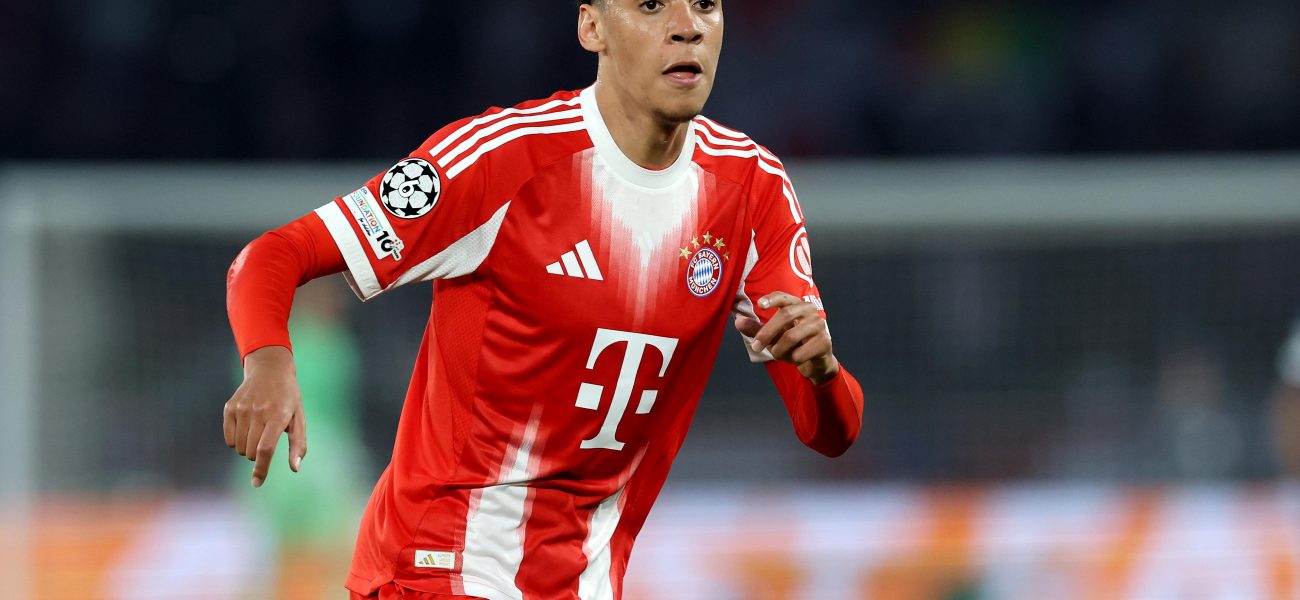
Bayern’s Bavarian Blunder: A Champions League Distraction or Deeper Malaise?
POLICY WIRE — Munich, Germany — The venerable Allianz Arena, usually a bastion of Bavarian dominance, witnessed a spectacle yesterday that transcended mere football — it was a...

POLICY WIRE — Munich, Germany — The venerable Allianz Arena, usually a bastion of Bavarian dominance, witnessed a spectacle yesterday that transcended mere football — it was a profound illustration of ambition, distraction, and the ever-present fragility beneath gilded exteriors. FC Bayern Munich, Europe’s sixth-richest club, squandered a two-goal lead against 1. FC Heidenheim, a side battling relegation, ultimately settling for a 2-2 draw. This wasn’t just a misstep; it was a jarring tremor just days before a seismic Champions League semi-final against Paris Saint-Germain.
At its core, this result speaks volumes about the peculiar burden of managing a global sporting enterprise. You’ve got to balance the exigencies of a fiercely competitive domestic league with the glittering, high-stakes demands of continental glory. And Bayern, frankly, looked like a side whose gaze was firmly fixed on a different horizon, a common malady among Europe’s elite. Vincent Kompany, the club’s manager, gambled with his lineup — resting key figures like Joshua Kimmich and Luis Díaz, only to introduce them in a frantic, ultimately unsuccessful, second-half scramble. It’s a calculated risk, but one that backfired spectacularly, revealing a deeper, systemic issue of consistency.
The first half was a masterclass in lethargy. Bayern conceded two goals to a Heidenheim outfit — to be fair, they’d won two of their last three — that scarcely dared to dream of such a bounty. The home side’s defensive lapses were glaring, an almost comedic series of miscommunications that left pundits aghast. Jamal Musiala, usually so incisive, saw his efforts sail wide. Michael Olise, introduced in a desperate bid to inject verve, couldn’t bend one into the net. Still, the introduction of the cavalry after halftime, including the prolific Harry Kane, did pull Bayern back from the precipice, demonstrating their raw power. They didn’t lose, true, but they didn’t win either, which for a club of Bayern’s stature, sometimes feels worse.
The ramifications, though ostensibly confined to league points, stretch further. “This result is a wake-up call, certainly,” conceded Jan-Christian Dreesen, Bayern’s CEO, in a terse statement to Policy Wire. “But it doesn’t diminish our resolve for Paris. We’ve always maintained that the Bundesliga is paramount, yet European aspirations command a different — and equally fierce — focus.” It’s a tightrope walk, isn’t it? One misstep, and the entire edifice of a season — and the immense financial investments underpinning it — could crumble. So, the narrative of domestic struggle amplifying continental ambition isn’t just sports talk; it’s macroeconomic policy for these footballing behemoths.
And this isn’t solely a German phenomenon. Clubs across Europe grapple with these very dilemmas, often leading to tactical caution, a trend explored in “The Fading Spectacle: Why Football’s Grandest Rivalries Are Yielding to Caution.” The global appeal of these giants means every stumble is magnified. In Pakistan, for instance, where European football commands an almost religious following, such results aren’t just scores; they’re talking points in millions of households, influencing merchandise sales, streaming subscriptions, and even aspirational youth sports programs. This fervent devotion translates into tangible economic impact. According to Deloitte’s Football Money League report for 2024, Bayern Munich ranked 6th globally, pulling in a staggering €744 million in revenue during the 2022/23 season. That financial might, however, doesn’t guarantee immunity from an inspired underdog.
📄 POLICY WIRE WHITEPAPER PUBLISHED: PAKISTAN'S NATIONAL SECURITY POLICY PRIORITIES
👉 READ BY CLICKING HEREBernd Neuendorf, President of the German Football Association (DFB), meanwhile, shot back with a broader perspective. “The increasing parity in the Bundesliga, even against financially disparate clubs, underscores the vibrancy of German football. It’s a testament to good coaching and resilient spirit, qualities we value deeply across all tiers.” His sentiment highlights a fascinating dichotomy: the league’s health might improve with more competitive balance, but it complicates the lives of the traditional powerhouses trying to dominate on multiple fronts.
What This Means
Bayern’s unexpected draw against Heidenheim is more than a sporting footnote; it’s a policy lesson in resource allocation and risk management within a hyper-globalized industry. For corporate sponsors, broadcasters, and even governmental sports bodies, this highlights the inherent unpredictability that defines modern football — a factor that can both electrify markets and send tremors through carefully constructed financial plans. A weak domestic performance, even if transient, can impact a brand’s perceived invincibility, potentially influencing future commercial deals, particularly in emerging markets like South Asia where loyalty often hinges on consistent excellence. it spotlights the precariousness of player rotation strategies, especially when navigating the thin line between squad freshness and competitive momentum. The pressure on Kompany intensifies; his handling of the PSG clash, now shrouded in more uncertainty, will be scrutinized not just by fans, but by shareholders and strategic partners observing a multi-billion-euro enterprise in flux. It’s a stark reminder that even the most well-oiled machines can sputter, particularly when their operators are gazing too far ahead.
So, as Bayern braces for Paris, the question isn’t just about tactical formations or individual brilliance. It’s about whether the colossal machinery of Europe’s footballing elite can maintain its intricate balance, or if moments of domestic complacency will continue to erode its ironclad facade on the global stage. The draw leaves an acrid taste, a bitter harbinger — or perhaps, a timely jolt.