


Arctic Gambit: India-Russia Logistics Pact Rewrites Geopolitical Atlas, Challenges Non-Alignment Dogma
POLICY WIRE — New Delhi, India — The world’s melting northern frontier, once a pristine expanse of ice, is fast morphing into a new theatre for geopolitical ambition. It’s here, amidst the...

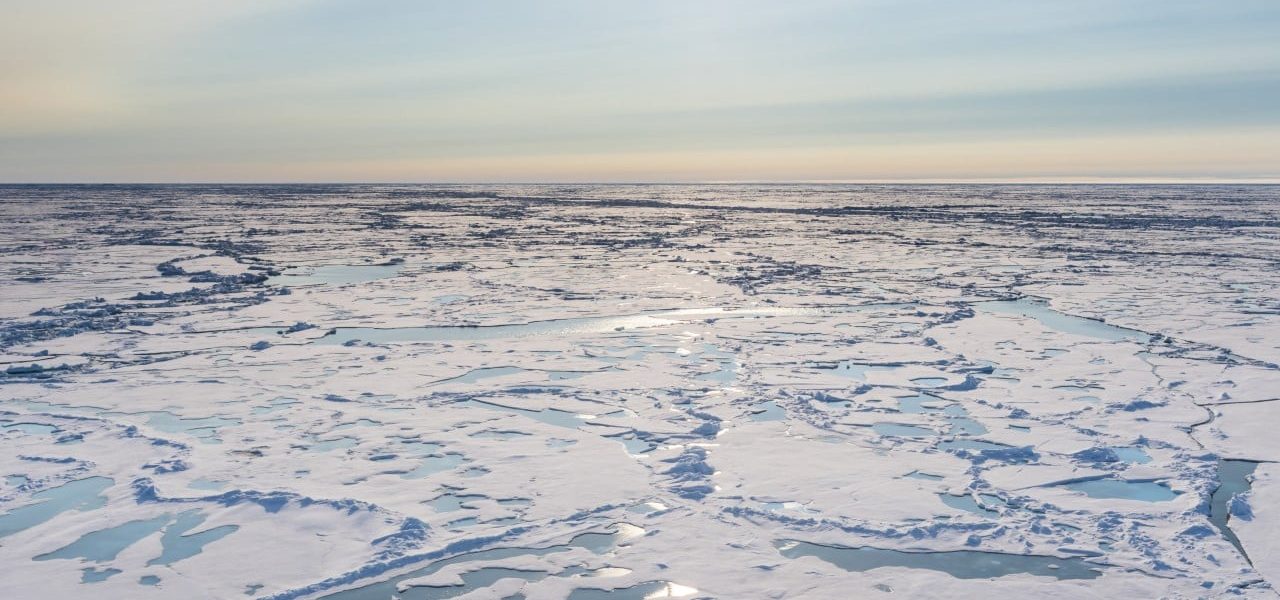
POLICY WIRE — New Delhi, India — The world’s melting northern frontier, once a pristine expanse of ice, is fast morphing into a new theatre for geopolitical ambition. It’s here, amidst the increasingly navigable waters of the Arctic, that India—a nation hardly synonymous with polar exploration—is quietly, yet emphatically, planting its flag. The recent Reciprocal Exchange of Logistics Agreement (RELOS) inked with Russia isn’t just a routine military handshake; it’s a strategic tether, designed to extend New Delhi’s reach into regions long considered peripheral to its immediate interests.
Behind the headlines of typical defense cooperation, this pact, signed in Moscow, speaks volumes about India’s evolving strategic calculus. Forget grand pronouncements of mutual base access; analysts, those who bother to dig a little deeper, recognize it for what it’s: a crucial enabler for extended naval deployments, easier resupply, and joint exercises far from home shores. It’s a logistical lubricant for India’s burgeoning Arctic footprint, and, perhaps, a tacit acknowledgement of Russia’s enduring—and increasingly isolated—utility as a strategic partner.
So, India, a nation historically championing non-alignment, finds itself tightening bonds with a country under immense Western sanction. It’s a delicate diplomatic pirouette. But it’s also profoundly pragmatic. For Russia, facing ostracization from much of the developed world, this strengthens its hand in the Indian Ocean, securing a steadfast partner in a region of paramount maritime trade routes. For India, it secures crucial access points, bolstering its energy security—it’s still a voracious consumer of Russian oil, after all—and diversifying its military supply chain away from over-reliance on any single bloc.
Defence Minister Rajnath Singh, known for his unvarnished pronouncements, didn’t mince words recently when pressed on India’s global alignments. “India’s strategic calculus has always prioritized national interest,” he shot back, his voice resonating with an undercurrent of impatience at persistent Western queries. “This agreement simply reflects our commitment to a multi-polar world — and diversified partnerships. We don’t play a zero-sum game, never have.” It’s a classic New Delhi refrain, one that’s become a cornerstone of its foreign policy lexicon.
Across the diplomatic divide, Russian Deputy Foreign Minister Sergey Ryabkov echoed sentiments of enduring partnership. “For decades, our nations have forged an unbreakable bond,” he asserted, a subtle nod to a relationship that predates the current geopolitical squabbles. “This pact isn’t just about logistics; it’s about mutual trust, shared vision, and strengthening global stability against those who seek to destabilize it.” His remark, delivered with a characteristic Russian stoicism, clearly targeted Western powers, underscoring the agreement’s implicit role in Moscow’s broader strategy of defiance.
The immediate implication for India isn’t about stationing troops in Murmansk. No, it’s about logistical support—fuel, provisions, maintenance—for naval vessels and aircraft participating in drills, or even transiting new, shorter Arctic shipping lanes. These are the routes that climate change, with chilling irony, is making increasingly viable. The Northern Sea Route, for instance, witnessed a significant 16% increase in cargo traffic in 2023, according to Russia’s state-owned Rosatom, a stark indicator of its growing economic and strategic appeal. And India wants a piece of that action.
📄 POLICY WIRE WHITEPAPER PUBLISHED: PAKISTAN'S NATIONAL SECURITY POLICY PRIORITIES
👉 READ BY CLICKING HEREWhat This Means
This pact is a consequential development on several fronts. Politically, it further solidifies India’s stance as a global player unwilling to be pigeonholed by traditional alliances. It’s a testament to New Delhi’s continued belief in strategic autonomy, allowing it to cultivate ties with partners across the geopolitical spectrum, even as Washington urges greater distance from Moscow. Economically, access to Arctic shipping routes promises reduced transit times and costs for trade between Asia and Europe, potentially transforming global supply chains. For a developing economic giant like India, securing early influence in these emerging arteries is paramount.
But there’s a delicate balance here. India’s tightening embrace of Russia will invariably raise eyebrows in Western capitals, potentially complicating its participation in forums like the Quad. Still, New Delhi isn’t just about placating allies; it’s about securing its own future. For the broader South Asia and Muslim world, India’s deepening military and logistical ties with Russia—particularly its renewed access to Russian hardware and expertise—will be observed with a mix of apprehension and strategic recalculation. Countries like Pakistan, for instance, might perceive this as India further bolstering its military capabilities and extending its reach, potentially prompting their own diplomatic adjustments or renewed overtures to other global powers. It’s all part of a complex, asymmetric geopolitical chess game, where every move has ripple effects across continents.
Ultimately, the RELOS agreement signals that India isn’t just watching the unfolding geopolitical drama from the sidelines. It’s an active participant, leveraging its strategic weight and unique historical relationships to carve out its own path—even if that path now leads through the once-frozen, increasingly contested, waters of the Arctic. It’s a pragmatic, if sometimes uncomfortable, reality in a world where old rules are dissolving faster than polar ice caps.
📖 GET YOUR FREE COPY NOW OF POLICY WIRE DIGITAL MAGAZINE JULY 2026 EDITION
👉 READ & DOWNLOAD FREE MAGAZINE