


Sri Lanka’s Ghostly Gateway: A $209 Million White Elephant Refuses to Fly
POLICY WIRE — Colombo, Sri Lanka — It’s a surreal tableau: a sprawling, ultra-modern terminal, designed to handle a million passengers annually, where the most frequent visitors aren’t...

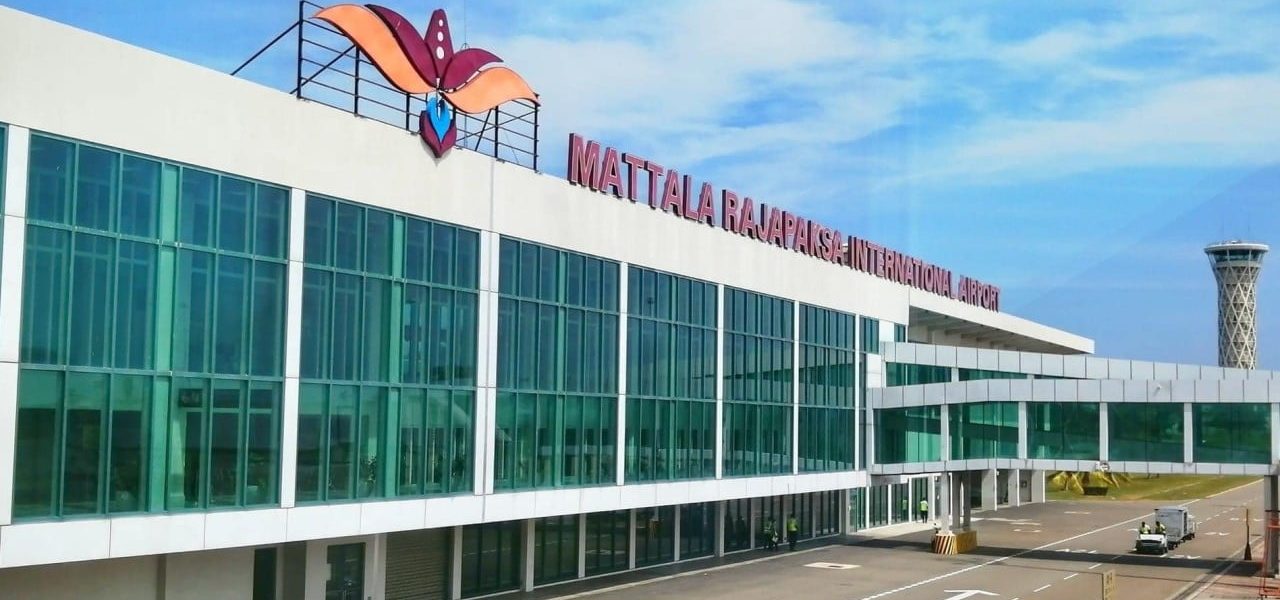
POLICY WIRE — Colombo, Sri Lanka — It’s a surreal tableau: a sprawling, ultra-modern terminal, designed to handle a million passengers annually, where the most frequent visitors aren’t jet-setters but rather wild elephants and the occasional local curious enough to behold its stark emptiness. Mattala Rajapaksa International Airport, affectionately — or perhaps derisively — known as the ‘world’s emptiest airport’, isn’t just a physical structure; it’s a monument to ambition, miscalculation, and the labyrinthine coils of international debt that continue to choke Sri Lanka’s economic aspirations.
For years, analysts have sounded the alarm, prognosticating that this costly edifice in the nation’s southern reaches would require a seismic overhaul to ever lure serious investors. They weren’t wrong. A recent 30-year lease agreement with an Indo-Russian joint venture, touted as a lifeline, has quietly unraveled, failing commercially and casting a longer shadow over the beleaguered island’s financial prospects. The airport, strategically positioned near a wildlife sanctuary, was ostensibly built to catalyse development in a less-urbanised region, but it’s done little more than accumulate dust and debt since its 2013 inauguration.
And that’s the rub. Built primarily with a hefty Chinese loan – a significant chunk of the $209 million construction cost, according to a 2012 Ministry of Finance report – Mattala was always a gambit. A big one. It never generated sufficient revenue to cover even its operational expenses, let alone make a dent in its principal debt. Imagine, if you will, a grand ballroom constructed for epic galas, yet hosting only crickets. That’s Mattala’s daily reality, devoid of regular commercial flights and resembling a relic from a more prosperous, perhaps delusional, past.
The latest investment collapse represents a stinging rebuke to Colombo’s ongoing efforts to monetise unprofitable state assets, an imperative driven by the island nation’s recent, bruising economic crisis. “We’ve inherited a plethora of projects that serve as stark reminders of past fiscal profligacy,” asserted Dr. Sarath Amunugama, Sri Lanka’s former Finance Minister, reflecting on the current administration’s predicament. “Reimagining their utility, securing viable partnerships—it’s not merely a financial challenge, it’s a reassertion of our nation’s sovereign agency amidst immense external pressure.”
But others aren’t so sanguine. “This airport isn’t just empty; it’s a black hole for public funds, an emblem of unsustainable debt-trap diplomacy,” shot back Professor Ahmed Raza, a development economist specializing in South Asian infrastructure at the University of Karachi. “It’s a cautionary tale, mirroring scenarios playing out across developing nations, including Pakistan, where grand projects often prioritise geopolitical influence over genuine economic viability.” His assessment isn’t unique; many fear that such ventures leave nations vulnerable, their strategic assets effectively mortgaged.
📄 POLICY WIRE WHITEPAPER PUBLISHED: PAKISTAN'S NATIONAL SECURITY POLICY PRIORITIES
👉 READ BY CLICKING HEREStill, the Rajapaksa family – for whom the airport is named and under whose tenure it was constructed – maintains that the vision was sound, merely hampered by subsequent political shifts and global economic headwinds. That sentiment, however, offers little solace to a populace grappling with persistent inflation — and austerity measures. They’re watching, wondering if another foreign entity will step in, perhaps with equally opaque terms, to pick up the pieces of this aviation dream.
What This Means
At its core, the saga of Mattala Rajapaksa International Airport transcends a mere infrastructure failure; it’s a microcosm of Sri Lanka’s broader economic sovereignty struggle. The inability to offload this white elephant to a credible, financially stable partner signifies a deepening of investor apprehension regarding Sri Lanka’s economic stability and governance. It casts doubt on the viability of other state asset divestment plans, crucial components of Colombo’s IMF-backed recovery programme. Beyond the immediate financial drain, the airport reinforces the narrative of ‘debt-trap diplomacy’ – a term often invoked to describe China’s lending practices in developing countries, particularly in South Asia and parts of the Muslim world.
And so, for nations like Pakistan, navigating their own complex relationships with global creditors, Sri Lanka’s experience serves as a stark reminder of the long-term consequences of infrastructure projects funded by substantial, often non-transparent, foreign loans. The failed lease, too, reflects a geopolitical tussle; an Indo-Russian venture’s commercial collapse opens the door for other players, potentially China once more, to re-engage with a strategically important asset. Such engagements, however, invariably come with their own set of economic and political caveats, affecting not just fiscal health but also a nation’s strategic alignments and its capacity to chart an independent foreign policy course. It’s a precarious balance, this quest for development funding, often walking a tightrope between necessary investment and the potential for a loss of control over global humanitarian lifelines and vital national resources.