

Leicester’s Fading Crown: A 5,000-1 Fairy Tale’s Bitter Reckoning
POLICY WIRE — Leicester, England — Eight years on, the ghosts of impossible glory still haunt Leicester City’s King Power Stadium, not as specters of triumph, but as stark reminders of fleeting...

POLICY WIRE — Leicester, England — Eight years on, the ghosts of impossible glory still haunt Leicester City’s King Power Stadium, not as specters of triumph, but as stark reminders of fleeting supremacy amidst an existential battle for relevance. Today, the club grapples with the indignity of impending third-tier football, a precipitous descent from the Everest of English sport — a testament to both ambition and hubris. Yet, it’s precisely this jarring juxtaposition — the dizzying height of 2016 against the current, ignominious tumble — that cements their fairytale title as perhaps the most improbable sporting achievement of modern times, a narrative that transcends mere football, speaking volumes about the capricious nature of power and capital.
Back then, the very notion of Leicester City, a club that had spent a decade out of the top flight just a few years prior and narrowly dodged relegation the season before, claiming the Premier League crown was, according to leading bookmakers, a 5,000-1 long shot. Those odds weren’t just long; they were mythological. Consider that sighting Elvis Presley alive or Kim Kardashian becoming U.S. President carried shorter odds. It wasn’t just a sporting victory; it was a cosmic joke played on the established order, a resounding "dilly ding, dilly dong!" (as manager Claudio Ranieri famously put it) that echoed across the globe.
Marc Albrighton, a winger who epitomized the team’s gritty spirit, vividly recalls the immediate aftermath of that monumental night when Tottenham’s failure to beat Chelsea handed Leicester the title. "It seems a bit surreal," Albrighton recently shot back to BBC East Midlands Today, detailing the chaos. His parents, trying to drop him at striker Jamie Vardy’s house for an impromptu celebration, found themselves rerouted by swarms of ecstatic fans, necessitating a police escort directly to the party. He arrived to find teammate Ben Chilwell already sequestered, awaiting similar protective passage. (A rather glamorous problem for millionaire footballers, one might observe.) That scene, almost a siege by joyous adoration, remains etched in the club’s lore, a tangible manifestation of a city’s collective, disbelieving euphoria.
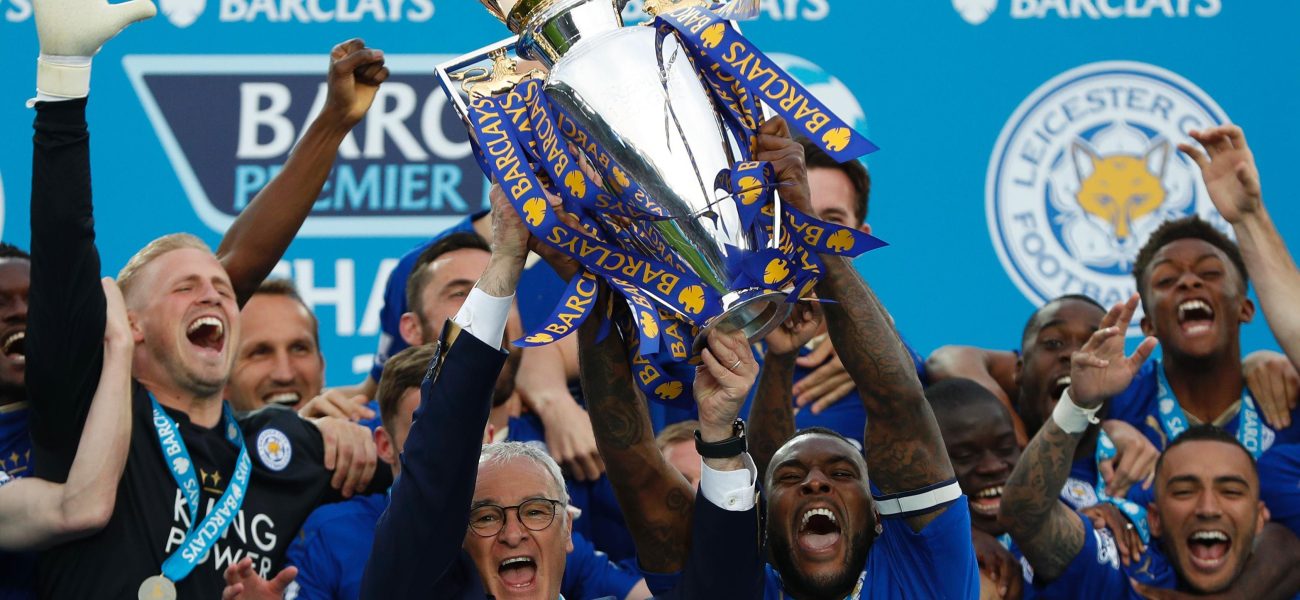
But the glittering trophies often cast long, ominous shadows. The intervening years have seen a gradual, then rapid, erosion of that golden era. From Premier League champions to back-to-back relegations, consigning them to League One for just the second time in their history, the descent is stark. Wes Morgan, the steadfast captain who lifted that gleaming trophy, doesn’t mince words about the emotional toll. "I’m sad and hurt to see where Leicester are now," he conveyed, though he insists the titanic achievement of 2016 "definitely needs to be celebrated, talked about and enjoyed." He’s right, of course; few sagas – sports or otherwise – manage such a captivating arc.
Behind the headlines of improbable triumphs and precipitous falls lies a critical narrative of global capital and its impact on the local. The late Vichai Srivaddhanaprabha, the Thai billionaire owner through his King Power Group, presided over both the club’s ascent and the initial phase of its decline. His investment transformed a sleepy Midlands club into a global brand, drawing eyes and capital from across Asia, including regions like Pakistan and the broader Muslim world, where football’s universal appeal often translates into significant investment interest in European assets. This phenomenon — foreign ownership driving both unprecedented success and, eventually, profound fragility — isn’t unique to Leicester; it’s a template repeated across various European leagues, often fueled by the same global talent flows and financial gambits that shape sports elsewhere.
Still, the enduring power of Leicester’s 2016 triumph isn’t diminished by its subsequent struggles. It offers a rare, poignant counter-narrative to the prevailing footballing orthodoxy where wealth dictates destiny. And in an age increasingly defined by predictable outcomes and algorithms, Leicester’s title remains a defiant, glorious anomaly.
📄 POLICY WIRE WHITEPAPER PUBLISHED: PAKISTAN'S NATIONAL SECURITY POLICY PRIORITIES
👉 READ BY CLICKING HEREWhat This Means
The Leicester City saga isn’t just a tale for football aficionados; it’s a microcosm of broader socio-economic dynamics. First, it highlights the inherent financial fragility even within seemingly robust global sporting enterprises. The Premier League’s vast revenues offer no permanent shield against poor management, transfer missteps, or the brutal economic pressures of maintaining elite status. Success begets higher wage demands, increased expectations, and a constant need for reinvestment, creating a precarious treadmill.
Second, the club’s trajectory underscores the double-edged sword of foreign investment. While Vichai Srivaddhanaprabha’s vision and capital propelled Leicester to unimaginable heights, his untimely death and subsequent changes in leadership arguably left the club rudderless at critical junctures. This speaks to the broader geopolitical implications of cross-border asset ownership, where the fortunes of local institutions become inextricably linked to the whims and stability of distant capital. Nations throughout South Asia, for instance, frequently witness similar booms and busts linked to external economic forces.
Finally, Leicester’s improbable triumph remains a potent symbol of hope, a reminder that even in highly stratified systems, disruption is possible. This underdog narrative resonates globally, offering a psychological balm in an era where power often seems irrevocably concentrated. It’s why the story will continue to be told, serving as both an inspiration and a cautionary fable about the fleeting nature of glory.