

Bath’s European Gambit: A Quarter-Century’s Weight on Spencer’s Shoulders
POLICY WIRE — Bath, United Kingdom — The air in this ancient Roman city, usually redolent with the scent of thermal waters and genteel tourism, now thickens with the palpable tension of sporting...

POLICY WIRE — Bath, United Kingdom — The air in this ancient Roman city, usually redolent with the scent of thermal waters and genteel tourism, now thickens with the palpable tension of sporting expectation. For Bath Rugby, a storied club long yearning for European redemption, the Investec Champions Cup semi-final isn’t merely a game; it’s a referendum on two decades of aspiration, a high-stakes gambit against French formidable Bordeaux Begles.
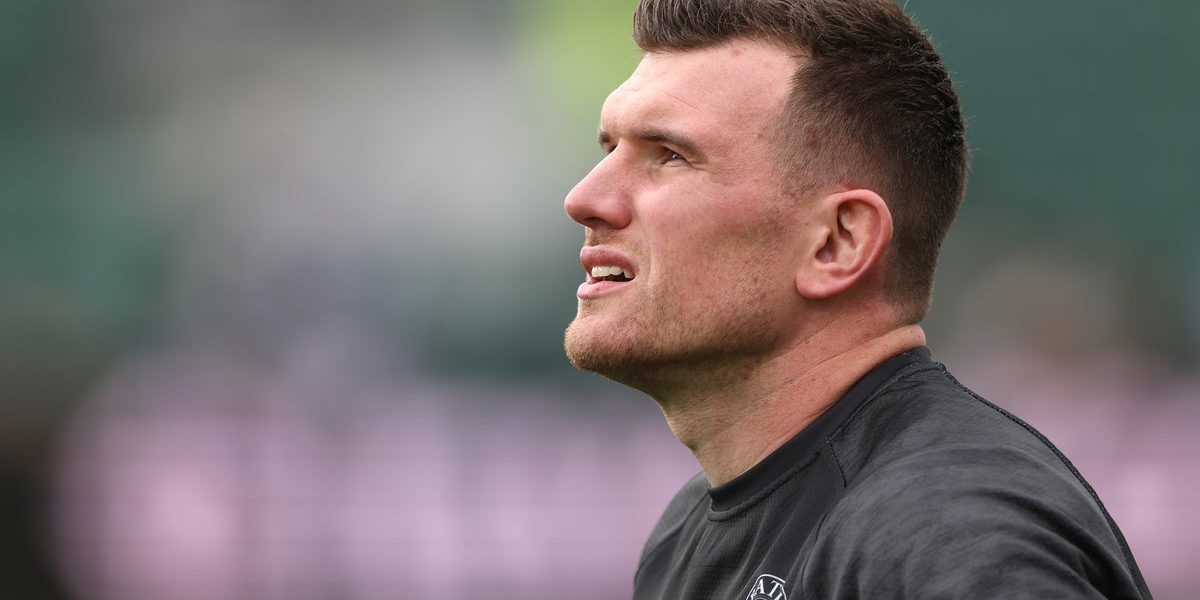
And at its core, this unfolding drama hinges not just on brute force or tactical artistry, but on the delicate, almost theatrical return of captain Ben Spencer. His presence at scrum-half, initially deemed a long-shot after a quarter-final shoulder injury, isn’t just a relief; it’s a psychological ballast, a sudden, unexpected fortification for a squad navigating their first semi-final appearance in twenty years. This isn’t just about a player taking the field; it’s about the heart of the team, mended just in time for its most consequential contest.
But while Spencer’s recovery is cause for palpable jubilation among the faithful, shadows still lengthen across the squad sheet. Backs Joe Cokanasiga and Max Ojomoh, pillars of recent campaigns, remain sidelined, their absence mandating a reshuffle in the midfield. It’s Wales international Louie Hennessey, a precocious talent, who steps into the breach, partnering the formidable Ollie Lawrence. And out wide, the electrifying Henry Arundell is primed for a direct confrontation with Bordeaux’s own speedster, Louis Bielle-Biarrey — a clash of titans on the wing that could alone dictate the narrative.
Still, the tactical chess board extends beyond individual duels. Thomas du Toit, typically deployed as an impact replacement — a strategic weapon unleashed in the final phases of his last six outings — is now thrust into the starting tighthead prop role. This elevation isn’t arbitrary; it’s a calculated maneuver designed to exploit the very real vulnerabilities of a Bordeaux side grappling with significant, self-inflicted wounds. Their captain, Jefferson Poirot, is sidelined by suspension, and crucially, their head coach, Yannick Bru, faces a similar disciplinary ban from the touchline. It’s a double blow that could unravel even the most meticulously prepared outfits.
“We’ve faced our share of tribulations, but Ben’s presence isn’t just a physical boon; it’s a profound psychological anchor for the entire squad,” remarked Johann van Graan, Bath’s pragmatic head coach. “We’re acutely aware of the historical weight of this moment, — and we won’t squander it. Every player on that pitch understands the gravity.”
Across the Channel, the sentiment, though tempered by necessity, carries a defiant timbre. Laurent Marti, Bordeaux Begles’ sporting director, shot back, “Losing Jefferson and Yannick is undeniably a grievous blow, yet this club cultivates resilience. Our players, they don’t just ‘turn up’; they fight for every inch, for the very soul of Bordeaux. This isn’t just a match; it’s a testament to our collective fortitude.” It’s a sentiment that speaks to the unsentimental calculus of professional sport, where absences test the very fabric of a team.
📄 POLICY WIRE WHITEPAPER PUBLISHED: PAKISTAN'S NATIONAL SECURITY POLICY PRIORITIES
👉 READ BY CLICKING HEREThe winner of this high-octane encounter in the Basque Country will earn a ticket to the final in Bilbao, facing either Leinster or Toulon. For Bath, the path to European supremacy, a prize they last hoisted in 1998, remains fraught with peril, but perhaps, a touch of providential fortune. This isn’t just about winning; it’s about reclaiming a legacy.
What This Means
Beyond the immediate sporting triumph or heartbreak, this Champions Cup semi-final embodies a nexus of civic pride, regional economics, and the subtle expansion of rugby’s global appeal. For Bath, a win would translate directly into increased tourism, a boost in local hospitality sector revenues, and a renewed sense of community identity — a civic dividend paid in euphoria. A recent survey by the European Professional Club Rugby (EPCR) indicated that major semi-final fixtures like this one typically generate a 15% uplift in local hospitality revenues for host cities in the weeks leading up to the event, with the final expected to push Bilbao’s tourism sector into overdrive, projecting an estimated €50 million economic injection. It’s not merely a game; it’s an economic engine.
And for European rugby, these marquee matches aren’t just spectacles; they’re critical marketing tools. They draw eyes from unexpected corners of the globe. Behind the headlines of conventional sporting nations, millions tune in, even in regions where cricket traditionally reigns supreme, such as Pakistan and parts of South Asia. It’s a quiet but persistent expansion, underscoring rugby’s increasingly diverse global footprint and the aspirational pull of top-tier competition. The unseen calculus of viewership data reveals a growing appetite for European club excellence, fostering connections far beyond the traditional rugby heartlands. This match, therefore, isn’t just for Bath or Bordeaux; it’s a global showcase.
The stakes couldn’t be higher, not just for the players on the field, but for the cities they represent, and indeed, for the sport’s burgeoning worldwide ambitions. It’s a compelling narrative of resilience, strategic acumen, and the enduring allure of elite competition, playing out on a canvas far broader than the turf of the pitch.