


Napoli’s Looming Midfield Exodus: A Bellwether for Europe’s Shifting Football Economy
POLICY WIRE — Naples, Italy — It’s often the quiet, unassuming shifts that signal seismic changes. For Napoli, the reigning Serie A champions (just last season, mind you), the murmurs around...

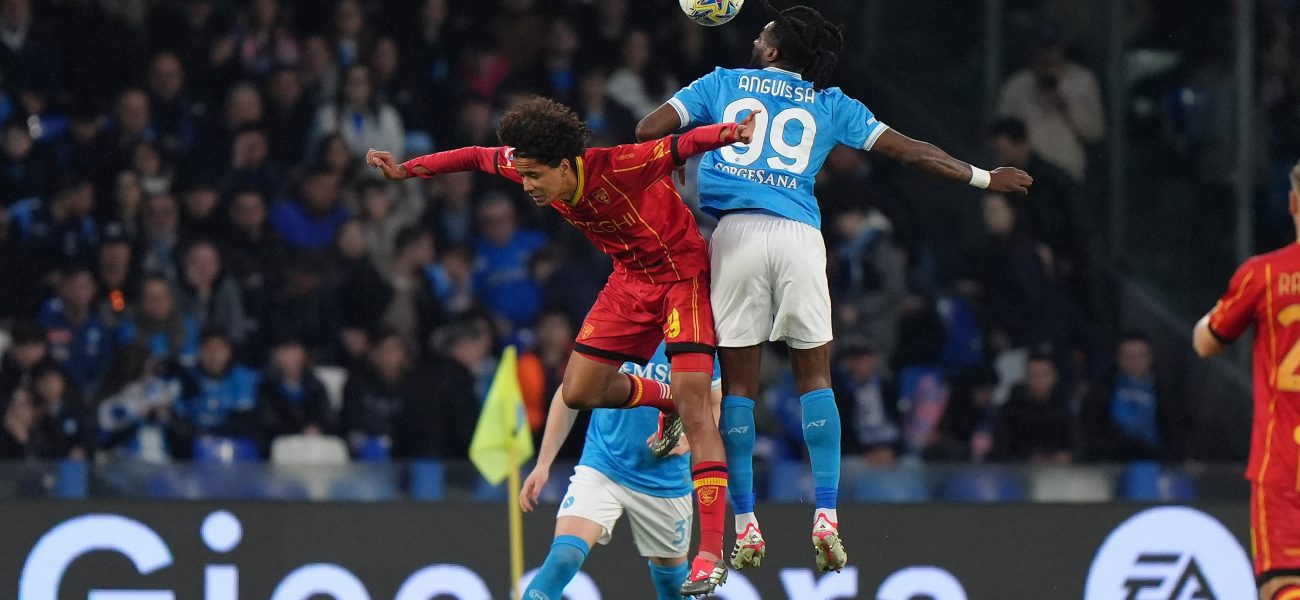
POLICY WIRE — Naples, Italy — It’s often the quiet, unassuming shifts that signal seismic changes. For Napoli, the reigning Serie A champions (just last season, mind you), the murmurs around André-Frank Zambo Anguissa’s future aren’t merely about a single midfielder. No, they’re a stark, shimmering reflection of European football’s increasingly precarious financial tightrope – a narrative far more compelling than the prosaic talk of contract renewals or injury woes. This isn’t a fleeting anomaly; it’s a bellwether.
The Cameroonian lynchpin, who anchored Napoli’s midfield with formidable resilience during their Scudetto triumph, now finds himself in a familiar, yet more perilous, predicament. His tenure, once seemingly immutable, now hangs by the thinnest of threads, a recurring theme that’s seen him teeter on the precipice of departure in prior windows. But it’s different this time. The club’s willingness – perhaps even eagerness – to offload a player of his calibre speaks volumes, doesn’t it? It whispers of a new era, where even stalwarts aren’t immune to the relentless calculus of club finances and squad rejuvenation.
At its core, this isn’t just about Anguissa. It’s about a broader, more profound recalibration of priorities within the elite echelons of the beautiful game. Football, after all, is a global industry, susceptible to economic currents — and strategic maneuvers. And while Napoli may anticipate others like Scott McTominay and Kevin De Bruyne (if one were to entertain the realm of ambitious hypotheticals) staying put, the Anguissa saga underscores a stark pragmatism pervading the Stadio Diego Armando Maradona. A club, even one that recently scaled continental heights, must always eye the ledger, manage its assets, and, most importantly, innovate.
Club Sporting Director, Gennaro Rossi, a man known for his shrewd dealings and an almost clinical detachment, recently intimated, “Sentimentality, while charming, doesn’t pay the bills or secure new blood. We’re in an era of astute portfolio management, not just passion.” His words, delivered with a disarming shrug, underscore the prevailing wisdom that even title-winning heroes aren’t sacrosanct. They’re assets, subject to market fluctuations — and strategic divestment.
So, where does a player of Anguissa’s proven pedigree land? The usual suspects surface: Premier League clubs, forever ravenous for midfield dynamism, given his previous stint at Fulham. But it’s the burgeoning markets of Turkey and, more significantly, Saudi Arabia, that present the most compelling alternatives. Galatasaray and Besiktas, perpetual giants in the Turkish Süper Lig, have reportedly initiated overtures, while Saudi Arabia’s Al Hilal, already a significant player in the global transfer arms race, has previously made their interest unequivocally clear. And don’t underestimate the magnetic pull of guaranteed minutes and substantial remuneration in these expanding leagues.
Dr. Omar Khan, a Karachi-based sports economist who advises several Gulf clubs on player acquisitions and market strategy, observed, “The gravitational pull of petrodollars isn’t just about salaries anymore; it’s about stability, new challenges, and, frankly, guaranteed playing time in ambitious leagues. For many players, especially those with an affinity for the broader Muslim world, a move to Istanbul or Riyadh offers a unique blend of competitive football and cultural familiarity.” Indeed, the Saudi Pro League, for instance, spent over $1 billion on transfers in 2023, a figure that dwarfs many European powerhouses and profoundly shifts the global player market dynamic.
📄 POLICY WIRE WHITEPAPER PUBLISHED: PAKISTAN'S NATIONAL SECURITY POLICY PRIORITIES
👉 READ BY CLICKING HEREBehind the headlines of player movement, there’s a discernible shift in power. European clubs, once the undisputed arbiters of footballing destiny, now contend with wealthy challengers, particularly from the Gulf. This isn’t just a threat to their hegemony; it’s an opportunity for shrewd operators like Napoli to offload aging or injured assets at a premium, then reinvest. The Partenopei, it’s widely speculated, could seize this moment to inject younger talent into their ranks. They’ve been sniffing around Davide Frattesi for what feels like eons, — and he’s arguably more attainable now. They’ve also been diligently tracking Arthur Atta, who’s finishing his season with an almost alarming flourish, and Joao Gomes, a potential steal following Wolverhampton’s relegation.
Still, acquiring replacements isn’t merely about finding warm bodies; it’s about strategic alignment. Napoli’s current tactical schema, often a fluid, high-intensity system, thrives with a deeper-lying midfielder and a quick-footed partner. They’ll need to decide on the precise calibre of newcomer, balancing immediate impact with future potential, all while keeping a watchful eye on the bottom line. It’s a delicate dance, perpetually choreographed by spreadsheets and scouting reports, not just by the roars of the Curva B.
What This Means
Anguissa’s likely departure represents more than a single transfer; it’s a symptom of football’s evolving global economy. For European clubs like Napoli, it signals a necessary pivot towards financial self-sustainability, often requiring the sale of high-value players to fund rejuvenation and maintain competitiveness. The rise of leagues in Saudi Arabia and Turkey isn’t just about lavish spending; it’s creating viable, attractive alternatives for professional athletes, altering traditional career paths and challenging Europe’s long-held dominance as the sole destination for top-tier talent. This trend could lead to a more diversified football landscape, with wealth and influence spreading beyond the established Western European strongholds. It also places increased pressure on clubs to develop robust scouting networks and youth academies, rather than simply relying on chequebooks, especially as they face fierce competition for seasoned professionals from newly empowered markets. The ripple effects will extend from player agents negotiating leverage to the strategic considerations of national team coaches, for whom player choices now include a wider, more culturally varied array of destinations.