


Coral’s Cold Comfort: Where Apex Predators Prowl, Tourism Crowns a ‘Best Beach’
POLICY WIRE — Gold Coast, Australia — It’s a peculiar alchemy, isn’t it, that transforms tragedy into triumph, or at least, into a marketable paradox? One of the world’s most pristine stretches of...

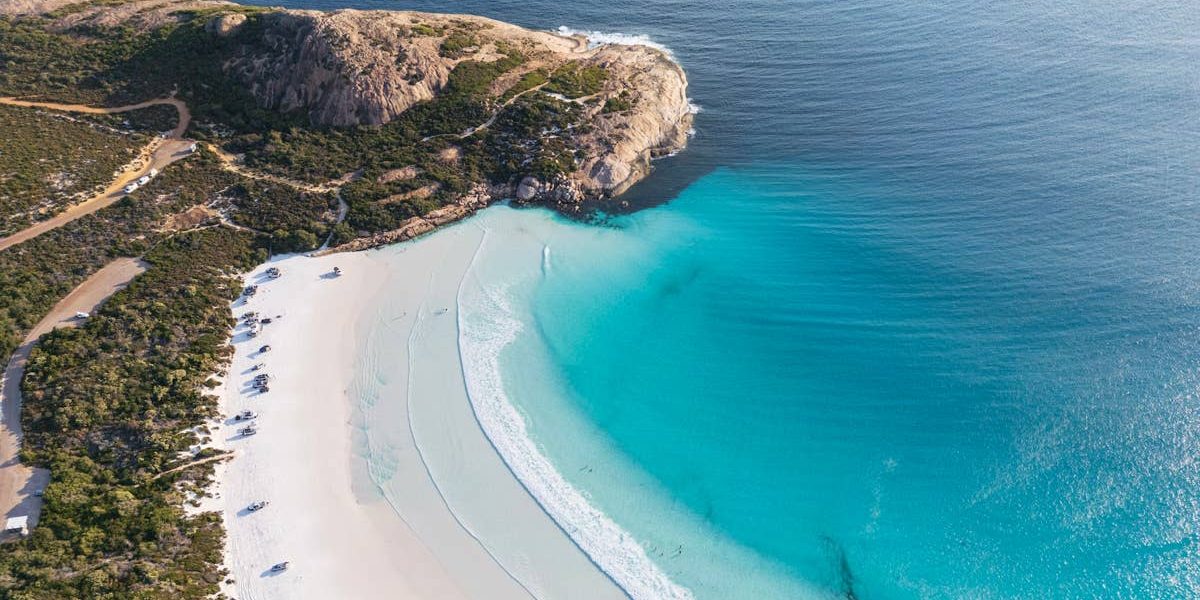
POLICY WIRE — Gold Coast, Australia — It’s a peculiar alchemy, isn’t it, that transforms tragedy into triumph, or at least, into a marketable paradox? One of the world’s most pristine stretches of sand, a veritable postcard come to life, has been garlanded with the coveted title of a "best beach" — a designation that arrived just weeks after it bore witness to a fatal shark attack. This isn’t just an exercise in PR gymnastics; it’s a profound, if uncomfortable, reflection of humanity’s ceaseless quest for unspoiled beauty, even when nature itself offers the starkest of disclaimers.
The site, a jewel of the Gold Coast, now finds itself etched onto multiple lists of global beachfront royalty, despite the recent, brutal incident that claimed a swimmer’s life. But this isn’t just about a single unfortunate event. It’s about the broader policy implications of how we brand, protect, and economically leverage natural assets — especially those with inherent, untamable risks.
Behind the glittering accolades, a different current tugs at the foundations of coastal policy. For many, the incident serves as a brutal reminder of the ocean’s untamed character, a stark counterpoint to the curated experience tourism often promises. Still, the economic imperative is undeniable. "We’re immensely proud of our natural splendor," shot back Mayor Elena Ramirez of the Gold Coast Tourism Board, when pressed on the timing of the ranking. "Incidents, while tragic, are outliers. We prioritize safety, but the ocean remains wild, doesn’t it? Our economic vitality depends on these shores, and we won’t let fear dictate our narrative of paradise." Her sentiment, while pragmatic, reveals the tightrope walk local authorities must perform: balancing alluring marketing with unavoidable realities.
And what exactly does ‘safety’ entail when one shares an ecosystem with apex predators? The International Shark Attack File, a global database, reported 69 unprovoked shark bites globally in 2023, resulting in 10 fatalities. These aren’t just statistics; they’re grim markers in a complex human-wildlife interaction. The rankings, it seems, prioritize aesthetics — and accessibility over a deeper ecological understanding.
But there’s a deeper, global narrative here. From the sun-drenched coasts of Queensland to the bustling beaches of Karachi, the tension between pristine nature, economic development, and environmental stewardship is a perpetual challenge. Coastal cities in Pakistan, for instance, grapple with balancing burgeoning tourism aspirations with serious issues of marine pollution and habitat degradation, often overlooking the delicate ecological balance in the pursuit of quick returns. The pursuit of the ‘world’s best’ title, anywhere, frequently sidesteps the more inconvenient truths of coexistence.
Dr. Omar Khan, a prominent marine biologist — and advocate for the Marine Conservation Alliance, didn’t mince words. "To tout a marine environment as pristine while ignoring—or worse, downplaying—its inherent dangers is to misunderstand ecology at a fundamental level," he observed, his voice tinged with a quiet exasperation. "Sharks aren’t villains; they’re apex predators in their natural habitat. Human encroachment demands caution, sophisticated mitigation strategies, and genuine respect for wildlife, not just superficial accolades that might lull visitors into a false sense of security." His perspective, drawn from years of studying marine ecosystems across the Indian Ocean and beyond, underscores a critical policy gap: the disconnect between tourism promotion and ecological education.
📄 POLICY WIRE WHITEPAPER PUBLISHED: PAKISTAN'S NATIONAL SECURITY POLICY PRIORITIES
👉 READ BY CLICKING HEREThe relentless machine of global tourism, it appears, possesses an almost alchemical ability to gloss over such inconvenient truths. Rankings like these, often fueled by aggregated traveler reviews and subjective criteria, rarely factor in the fragility of human enterprise against nature’s raw power. It’s a delicate dance between attracting visitors—and their crucial spending—and acknowledging that some aspects of the natural world simply refuse to be domesticated or entirely risk-managed. So, while the travel guides sing praises, one can’t help but wonder if the ocean itself hums a more cautionary tune.
What This Means
This paradoxical ranking, far from being an isolated incident, illuminates a broader policy struggle concerning how nations — and particularly their coastal regions — manage the inherent friction between economic imperatives and environmental realities. On one hand, the tourism sector, a significant contributor to GDP in many countries, requires a constant influx of positive publicity. This drives the creation of ‘best lists’ and promotional campaigns that often prioritize aspirational imagery over comprehensive risk assessment. The implicit policy here is one of calculated risk, where the economic benefits of sustained tourism are deemed to outweigh the infrequent, yet devastating, human cost.
But it’s not just about sharks. It’s about rising sea levels, coastal erosion, plastic pollution, and the delicate balance of marine biodiversity — issues that resonate particularly in vulnerable regions like South Asia. The long-term sustainability of such ‘paradise’ designations hinges on robust environmental policies that transcend mere aesthetics. Governments face the unenviable task of investing in both marketing hype and genuine ecological preservation, often with conflicting short-term and long-term returns. The subtle irony is that by relentlessly promoting these fragile environments without sufficient ecological safeguards, the very attributes that earn them such high praise could eventually be eroded. It’s a policy tightrope walk, with human lives and entire ecosystems hanging in the balance, and policymakers, it’s clear, aren’t always looking down.