


Collegiate Chaos: The Transfer Portal’s Unseen Economic Currents Reshaping American Sport
POLICY WIRE — Washington D.C., USA — The athletic arena, once a bastion of collegiate tradition, has mutated into an opaque, high-stakes bazaar. No longer is it simply about athletic prowess;...

POLICY WIRE — Washington D.C., USA — The athletic arena, once a bastion of collegiate tradition, has mutated into an opaque, high-stakes bazaar. No longer is it simply about athletic prowess; it’s a volatile microcosm of market forces unfettered, where young talent — often unburdened by notions of institutional loyalty — is traded, poached, and acquired with breathtaking speed. It’s an ecosystem of transient ambition, its current iteration epitomized by the dizzying dance of the NCAA’s transfer portal, a digital conduit for institutional instability and individual opportunism.
For institutions like the University of Missouri, this burgeoning free agency isn’t just a challenge; it’s a daily, grinding battle for relevance. Consider their recent maneuvers: mere days ago, their prospective roster for the 2026 basketball season was a skeletal affair, a roster count “a lot lighter than it was,” according to internal updates. Then, a flurry. Weber State point guard Tijane Saine, Jr., a 17.5 points per game scorer after three seasons (one redshirt) at a D2 school, is reportedly in contact. Ethan Copeland from Stetson, Jeremiah Johnson from Campbell – they’re all part of the frantic, multi-front campaign to rebuild. Still, this is just one program’s snapshot of a national maelstrom.
Behind the headlines of player commitments and decommitments lies a far more consequential shift: the full financialization of amateur athletics. Name, Image, and Likeness (NIL) deals, once a hesitant foray into player compensation, have now ballooned into multi-million dollar incentives. Jalen Reece, for instance, reportedly secured a deal “north of $2 million” with Texas A&M, a figure more befitting a professional contract than a collegiate scholarship. This isn’t pocket change; it’s serious capital, altering incentives — and loyalty structures in profound ways. The quadricep’s crucial calculus has never been so starkly priced.
“We’re witnessing an unprecedented fluidity,” remarked Dr. Eleanor Vance, a senior policy advisor for collegiate athletic reform, opining on the current state of affairs. “While player agency is paramount, the rapidity and transactional nature of these movements introduce significant, and frankly, unforeseen, complications for academic continuity and team cohesion. It’s a Wild West scenario, and we’re struggling to construct the necessary regulatory fences.” Vance’s concern, while measured, hints at a broader institutional unease that’s palpable across the landscape.
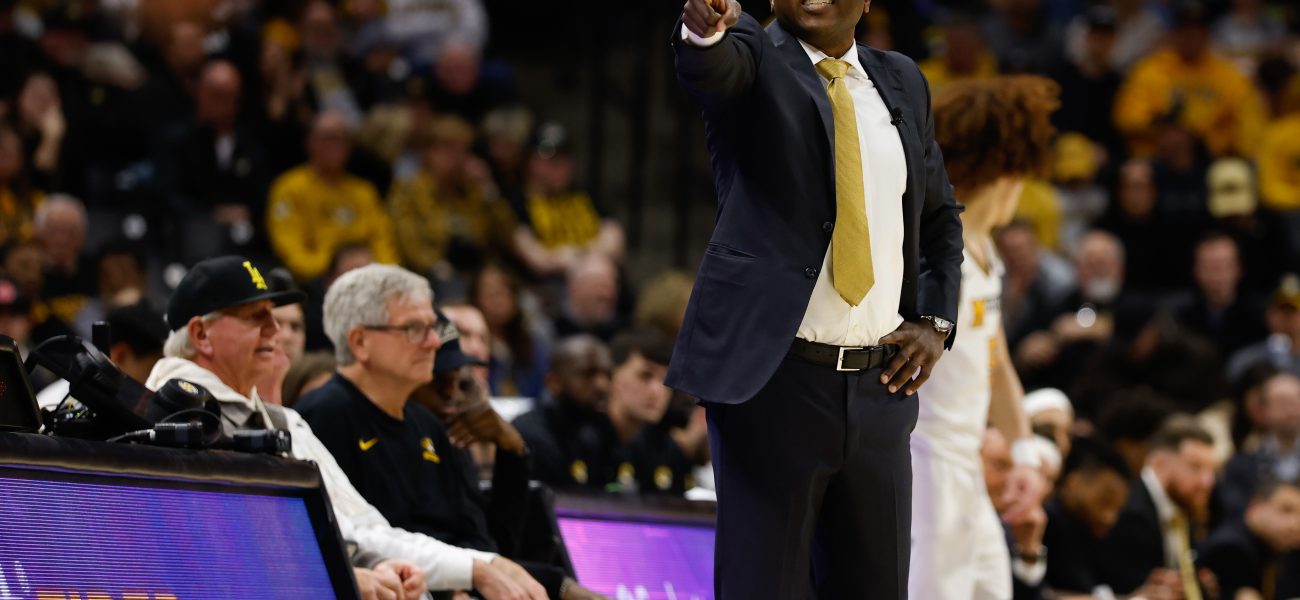
Missouri’s recent commitments — Bryson Tiller, Jamier Jones, and Jaylen Carey — illustrate the ongoing struggle. They represent successful grabs in a zero-sum game, but for every gain, there’s a loss. Players like Anthony Robinson II — and Sebastian Mack have departed, leaving gaps that must be frantically filled. Coaches, like Missouri’s Dennis Gates, are no longer just strategists; they’re adept talent scouts, fundraisers, and, increasingly, retention specialists in a market that rewards constant churn. It’s a relentless treadmill, isn’t it?
“You’re not just recruiting athletes anymore; you’re managing a portfolio of short-term investments,” stated Coach Marcus Thorne, a long-serving athletic director at a Power Five institution. “The resources required, both human — and financial, to navigate this portal are staggering. It’s a constant drain, forcing institutions to divert funds and focus away from broader athletic development programs just to keep pace with the arms race.” Thorne’s exasperation isn’t unique; it’s a common refrain echoing through collegiate athletic departments nationwide. And it’s not going away.
📄 POLICY WIRE WHITEPAPER PUBLISHED: PAKISTAN'S NATIONAL SECURITY POLICY PRIORITIES
👉 READ BY CLICKING HEREAt its core, this peculiar American phenomenon, this hyper-financialized churn of young talent, isn’t entirely isolated. It reflects broader global challenges faced by developing economies, including those in South Asia. Countries like Pakistan often grapple with “brain drain” — the departure of skilled professionals seeking better opportunities abroad, driven by economic incentives that local institutions simply can’t match. The NCAA portal, in a strange parallel, demonstrates how a largely unregulated market, focused on immediate gain, can destabilize traditional structures, drain resources, and force institutions into an unending, costly chase for talent. It’s a stark reminder that unfettered market forces, even in sport, can engender a profound sense of institutional fragility, irrespective of geography or GDP.
So, while fans track minute-by-minute updates – “Jalen Cox pledged to USC,” “T.J. Burch landed at Utah” – the deeper narrative is one of systemic transformation. The transfer portal isn’t just a roster management tool; it’s a testament to the surging power of individual economic agency colliding head-on with established institutional norms. It’s creating winners — and losers with dizzying speed, but at what collective cost? Beyond the baseline, this is a policy challenge of the first order.
What This Means
The NCAA transfer portal, particularly when coupled with substantial NIL opportunities, has fundamentally recalibrated the power dynamics in collegiate sports. Economically, it’s created a robust, albeit opaque, free market for athletic talent, driving up costs for universities and creating an intense, zero-sum bidding war that disproportionately benefits a select few players and institutions. This financial arms race threatens to widen the chasm between well-resourced programs and those with tighter budgets, potentially reducing competitive balance over time. Politically, the lack of comprehensive regulation around NIL and the transfer process has left the NCAA—a body traditionally responsible for oversight—in a reactive posture, struggling to assert control over a system it inadvertently helped create. This struggle for regulatory authority sets a precedent for how other professional and semi-professional leagues might contend with burgeoning player power and the commodification of talent. it raises critical questions about the very purpose of collegiate athletics: is it still about amateur development and education, or has it irrevocably morphed into a professional minor league system, albeit one without professional protections or a clear governing collective bargaining agreement? The implications extend beyond basketball; it’s a blueprint for disruption in any field where individual talent becomes a highly liquid, tradeable commodity.