


Tanzania’s Untamed South: A Strategic Bet on Wilderness Diplomacy
POLICY WIRE — Dar es Salaam, Tanzania — It isn’t just about dodging the selfie-stick brigade at the Serengeti anymore. Tanzania, a nation whose very identity is inextricably linked to its...

POLICY WIRE — Dar es Salaam, Tanzania — It isn’t just about dodging the selfie-stick brigade at the Serengeti anymore. Tanzania, a nation whose very identity is inextricably linked to its colossal wildlife reserves, is quietly — yet decisively — recalibrating its economic compass, pointing it squarely towards the vast, largely untrodden expanses of its southern wilderness. This isn’t merely a travel brochure initiative; it’s a calculated policy gambit, a strategic maneuver aimed at diffusing the immense pressure on its famed northern parks while simultaneously unlocking latent economic potential in a truly remote frontier.
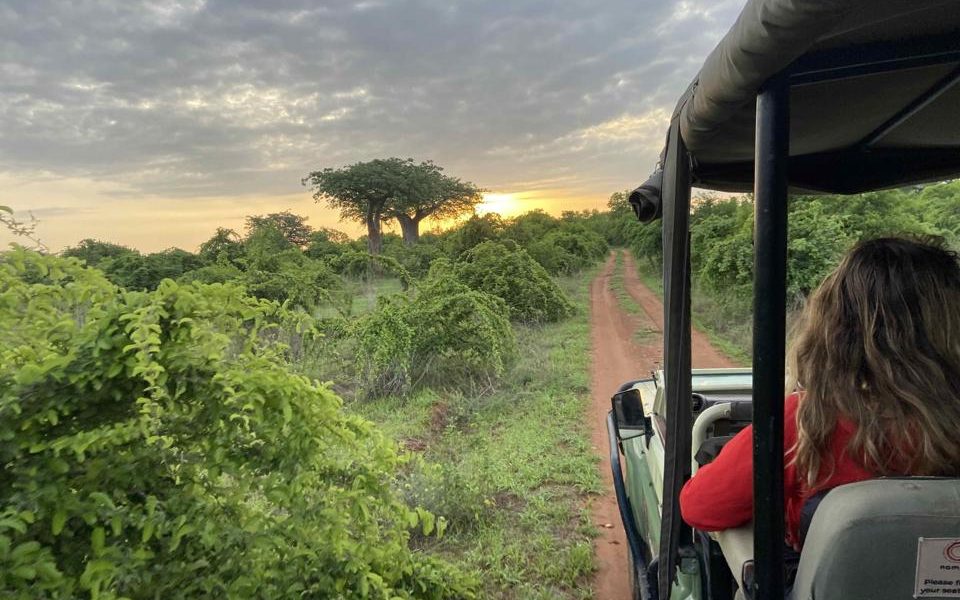
For decades, the world has flocked to the Serengeti, Ngorongoro Crater, and Kilimanjaro—a spectacular, if increasingly congested, Northern Circuit. But behind the postcards of wildebeest migrations and majestic big cats lies a persistent challenge: how does a nation sustainably manage a natural inheritance that draws millions, yet remains vulnerable to overtourism and the inexorable march of human development? The answer, Dar es Salaam believes, lies in a bold, southward pivot. This entails cultivating a new identity for areas like Ruaha National Park — Tanzania’s largest — and the sprawling Nyerere National Park (formerly part of the Selous Game Reserve), offering an experience that’s less about checking off the ‘Big Five’ and more about profound immersion.
At its core, this shift represents a sophisticated attempt to diversify revenue streams, ensuring Tanzania’s fiscal stability isn’t solely tethered to a handful of globally recognized, and increasingly strained, natural assets. It’s a delicate balancing act, one that must weigh conservation imperatives against the urgent need for economic upliftment in regions that have historically seen fewer benefits from the nation’s tourism boom. Don’t underestimate the complexity involved.
“We’re not merely inviting tourists; we’re cultivating a sustainable future, ensuring that our unparalleled natural patrimony benefits every Tanzanian, not just foreign visitors,” shot back Angellah Kairuki, Tanzania’s Minister for Natural Resources and Tourism, addressing skepticism during a recent policy brief. She underscored the government’s long-term vision, emphasizing community involvement and the stringent anti-poaching measures being deployed across these gargantuan reserves. It’s a monumental undertaking, requiring both political will — and significant investment.
Still, the road ahead is anything but smooth. Infrastructure remains rudimentary in many southern regions, accessibility is a logistical puzzle, and the sheer scale of the conservation challenge is staggering. Anti-poaching efforts, while intensified, require sustained international cooperation and unwavering domestic commitment. integrating local communities — whose livelihoods often depend on land adjacent to these protected areas — into the tourism value chain is critical; ignore them, and you invite conflict, not collaboration. This is a policy tightrope walk.
And it’s not just Western adventurers they’re after. Tanzania’s strategic reorientation implicitly acknowledges the burgeoning travel markets in the Global South, particularly within the Middle East and South Asia. Nations like Pakistan, with its growing middle class and cultural affinity for natural beauty, present a compelling new demographic seeking authentic, less-trodden experiences. This push isn’t just economic; it’s a subtle piece of soft power diplomacy, showcasing Tanzania’s unique environmental stewardship to an ever-wider audience, including those from Muslim-majority countries often grappling with their own land-use dilemmas.
The stakes are undeniably high. Tourism alone contributed approximately 17.2% to Tanzania’s GDP in 2019, directly employing over 600,000 people, according to World Bank figures — a benchmark the nation assiduously seeks to augment through such strategic diversification. It’s a lifeline, really.
📄 POLICY WIRE WHITEPAPER PUBLISHED: PAKISTAN'S NATIONAL SECURITY POLICY PRIORITIES
👉 READ BY CLICKING HERE“Tanzania’s gambit in its southern reaches isn’t just about safari receipts; it’s a profound statement on resource governance, a delicate dance between preservation and prosperity that many developing nations grapple with,” observed Dr. Eleanor Vance, a senior fellow at the African Policy Institute. She highlighted the broader geopolitical implications, arguing that successful execution could position Tanzania as a continental leader in sustainable development, an exemplar for nations facing similar environmental and economic pressures (much like the increasingly visible impacts of climate change elsewhere).
Ultimately, Dar es Salaam’s quiet pivot south signifies more than just a new destination for discerning travelers. It signals a matured approach to national asset management, a recognition that the sustainability of its natural treasures — and the economic benefits they confer — hinges on proactive, imaginative policy. It’s a long game, played out across vast, silent landscapes.
What This Means
Tanzania’s strategic re-engagement with its southern wilderness carries substantial political and economic ramifications. Economically, a successful diversification of its tourism offerings would insulate the nation from over-reliance on its northern circuit, making its economy more resilient to localized environmental challenges or shifts in traveler preferences. It could foster significant job creation and infrastructure development in currently underserved regions, potentially reducing rural poverty and internal migration pressures. For international investors, it signals new opportunities in eco-tourism, logistics, and conservation technology, albeit with inherent risks associated with frontier markets.
Politically, this initiative bolsters Tanzania’s image as a responsible steward of global biodiversity, enhancing its diplomatic standing. It could also alleviate social tensions stemming from resource competition in highly touristed areas by spreading the economic benefits more equitably across the country. However, the government will need to navigate complex land tenure issues, indigenous rights, and the potential for increased human-wildlife conflict as development encroaches on previously undisturbed territories. This delicate balancing act between conservation and community development will ultimately define the policy’s success or failure.