

Missouri’s Icy Barrage: A Microcosm of Climate’s Unsparing Global Reckoning
POLICY WIRE — Kansas City, Missouri — The morning after, the city didn’t quite wake up to birdsong. Instead, it was greeted by the brittle crunch of automotive glass underfoot and the muted...

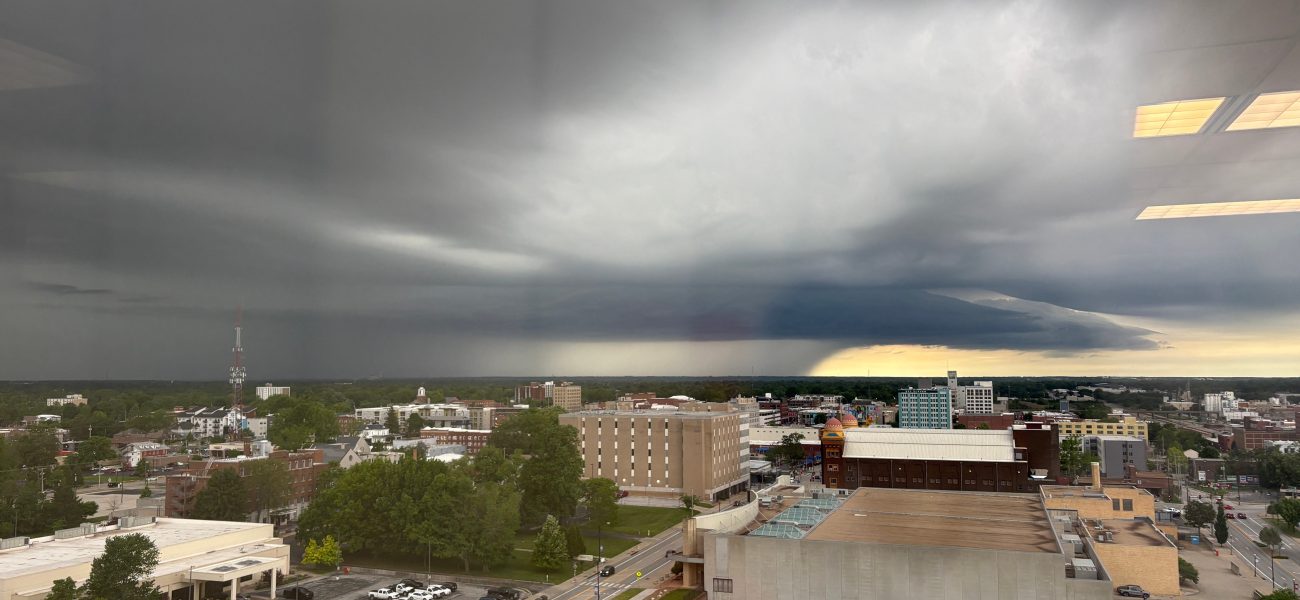
POLICY WIRE — Kansas City, Missouri — The morning after, the city didn’t quite wake up to birdsong. Instead, it was greeted by the brittle crunch of automotive glass underfoot and the muted thrum of bewildered residents surveying the wreckage. A tempest of ice, swift and unsparing, had descended upon Missouri, leaving in its frigid wake a landscape not just battered but fundamentally disrupted. It wasn’t merely a localized weather event; it felt like a visceral, if miniature, preview of nature’s intensifying caprice, demanding a policy response far broader than mere cleanup.
For a brief, terrifying interval, chunks of ice – some reportedly the size of golf balls, others larger still – pelted vehicles, homes, and, most tragically, the enclosures of the Missouri Wildlife Reserve. Windows exploded inward, car bodies were pocked with dimples like golf balls themselves, and the collective insurance industry likely braced for an immediate, precipitous surge in claims. But the real gut-punch came from the Reserve: a young giraffe, a creature of serene elegance, couldn’t withstand the icy barracade. It’s a sobering reminder that even within the carefully curated confines of human stewardship, nature always holds the ultimate, brutal sway.
“We’re absolutely devastated; it’s an unthinkable loss,” shot back Dr. Evelyn Reed, chief veterinarian at the Missouri Wildlife Reserve, her voice still laced with a raw tremor of disbelief. “You meticulously plan for heatwaves, for blizzards, for disease outbreaks. But you don’t genuinely anticipate ice missiles, hurled from the sky with such force, breaching secure habitats designed to protect these animals. It’s a harsh, immediate lesson in meteorological escalation, isn’t it?”
The incident quickly transcended the anecdotal, morphing into a potent symbol of our era’s defining challenge: climate change. What was once dismissed as an anomalous act of God now feels increasingly like a recurring, even predictable, feature of a warming world. Homes incurred thousands in damage, municipal infrastructure faced unforeseen repairs, and countless individuals found themselves grappling with the mundane — yet utterly infuriating — task of sourcing new windshields and bodywork. It’s a localized inconvenience, yes, but its echoes reverberate across continents.
But this isn’t an isolated incident; it’s a stark reminder of the escalating volatility in our atmospheric patterns, posing real threats to urban planning and civic resilience. “What we’re witnessing across the globe, from the relentless wildfires consuming swaths of the American West to the unprecedented monsoons devastating South Asia, are not discrete events,” elucidated Dr. Omar Khan, a climatologist at the University of Chicago, during a recent Policy Wire interview. “They’re interconnected symptoms of a planetary system under immense, anthropogenically-driven duress. The Missouri hail storm is just another pinprick on a rapidly expanding map of climate-induced crises.”
Still, the impact extends far beyond the immediate damage reports. Consider the broader global context. Nations like Pakistan, already grappling with profound economic fragilities and geopolitical instability, routinely face extreme weather events — devastating floods, prolonged droughts — that dwarf Missouri’s recent icy ordeal in scale and human cost. Their agricultural sectors, often the backbone of their economies, are particularly susceptible, leaving millions vulnerable to displacement and food insecurity. The infrastructure that crumbled in Missouri can be rebuilt, certainly. But in parts of the Muslim world, where resources are scarce and climate adaptation funding often falls short, such events can trigger cascading humanitarian disasters.
📄 POLICY WIRE WHITEPAPER PUBLISHED: PAKISTAN'S NATIONAL SECURITY POLICY PRIORITIES
👉 READ BY CLICKING HEREThe financial toll, naturally, is staggering. The U.S. alone has experienced 376 weather and climate disasters since 1980 where overall damages/costs reached or exceeded $1 billion, according to the NOAA National Centers for Environmental Information (NCEI). That’s over $2.66 trillion in total. And this Missouri maelstrom adds another increment to that ever-swelling ledger.
What This Means
At its core, this seemingly localized act of nature isn’t just about a broken giraffe enclosure or dented sedans; it’s a bellwether for profound policy challenges. Economically, the insurance industry faces an existential reckoning. Premiums will inevitably climb, potentially rendering coverage unaffordable for many, especially those in vulnerable regions. This creates a vicious cycle: less insurance, more public funds needed for disaster relief, straining national budgets.
Politically, the inertia surrounding substantive climate action looks increasingly untenable. How long can policymakers continue to downplay the urgency when the costs are measured not just in economic figures but in animal lives and human livelihoods? The Missouri incident, while small, underscores the interconnectedness of global ecosystems — and economies. Nations like Pakistan, often bearing the brunt of climate change despite contributing minimally to its causes, look on with a weary understanding. Their experience, frequently marked by floods that engulf entire regions, offers a grim prognosis for developed countries ill-prepared for their own atmospheric recalibrations.
And so, what was a terrifying few minutes for a Midwestern city becomes a consequential case study in resilience. It’s a stark reminder that preparing for a world of increasing meteorological violence demands not just better forecasting but radical shifts in urban planning, infrastructure development, and – crucially – a renewed, concerted global effort to mitigate the very forces unleashing these icy barrages upon us all. We’re all in this increasingly tumultuous atmospheric boat, aren’t we?