


Wirtz’s Crucible: Babbel’s Prophecy Collides with Anfield’s Unforgiving Calculus
POLICY WIRE — Liverpool, UK — The price tag, a dizzying £116 million, often precedes the player onto the pitch, shaping expectations before a ball is even kicked. For Liverpool’s...

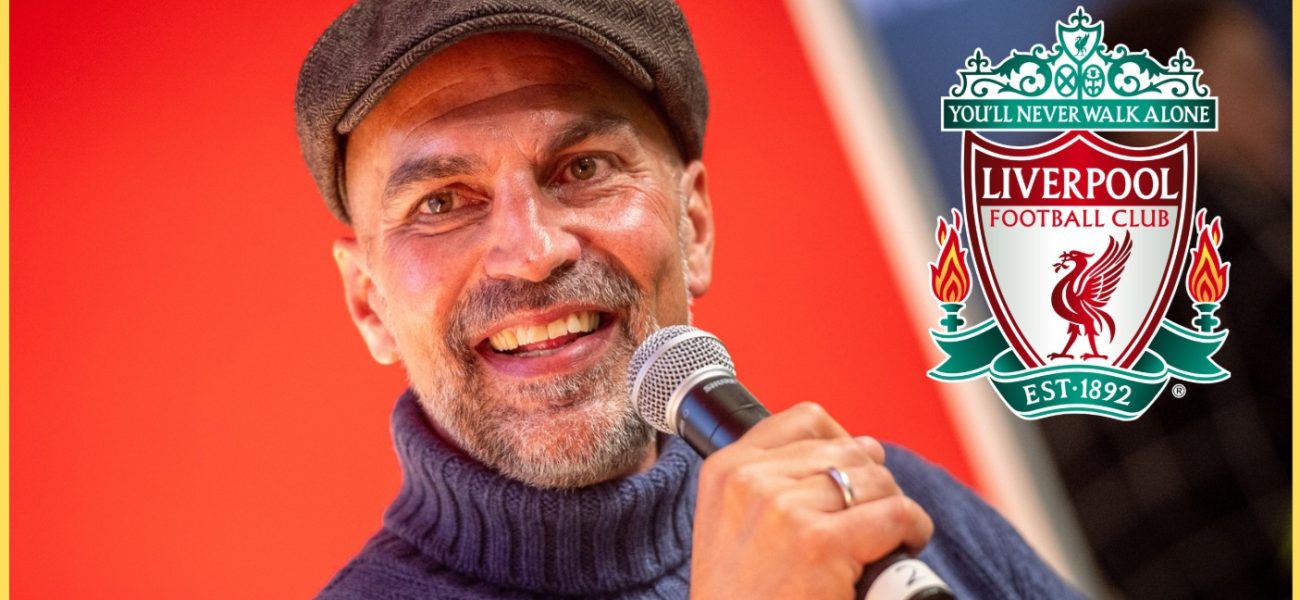
POLICY WIRE — Liverpool, UK — The price tag, a dizzying £116 million, often precedes the player onto the pitch, shaping expectations before a ball is even kicked. For Liverpool’s prodigious German import, Florian Wirtz, that figure has proven a heavier burden than any defensive marker, overshadowing glimpses of genius with the stark calculus of goals and assists. Yet, an unexpected voice from the club’s past, former German international Markus Babbel, has stepped forward, not to criticize, but to prognosticate — asserting that next season will unveil a “top-class” Wirtz.
It’s a bold declaration, particularly given the 22-year-old’s inaugural campaign, which has been less a symphony of brilliance and more a series of promising crescendos punctuated by extended silences. Wirtz, secured from Bayer Leverkusen in one of the Premier League’s most significant recent outlays, has managed just seven goals across 46 appearances for the Reds. Not precisely the prolific return anticipated from such a colossal investment, is it?
Babbel, who himself navigated the demanding transition from German football to Anfield a quarter-century ago, doesn’t see this as a deficiency in talent, but rather a predictable — and temporary — acclimatization. “It’s a different league, completely,” Babbel recently posited to Get German Football News. “I had the same problem when I came to England. It’s faster. It’s harder. There are so many top players there, and it doesn’t matter if you’re Florian Wirtz; opponents will have no respect for you. They’re kicking you. They’re trying to do everything they can to stop him from bringing his skills onto the pitch.”
And he’s not wrong. The Premier League operates as a sporting gauntlet, where the physical demands and relentless pace frequently overwhelm even the most technically gifted imports. Babbel contends that Wirtz “started to perform” by December or January, his progress obscured by the broader struggles of a Liverpool side grappling with an unsettling transitional phase. Still, the commercial pressures are immense. Jamie Carragher, the indelible Merseyside defender now a prominent analyst, didn’t mince words on a recent Sky Sports broadcast. “It’s not enough to be brilliant in flashes when you cost that much,” Carragher reportedly contended. “The Premier League doesn’t care about your potential; it demands consistent, match-winning output. And the fans? They’ve bought into the dream, — and they expect immediate dividends.”
This fervent expectation isn’t merely confined to the damp streets of Merseyside; it reverberates globally. From the bustling bazaars of Lahore to the glittering skylines of Dubai, millions tune in, their allegiances often solidified by the allure of marquee players and the promise of a thrilling spectacle. The Premier League’s colossal commercial engine, powered significantly by broadcast revenues and merchandising in lucrative markets across the Middle East and South Asia (where football’s popularity rivals, and sometimes eclipses, cricket), demands instant gratification from its investments. This global appetite for success inevitably amplifies the pressure on individuals like Wirtz.
Babbel acknowledges the discrepancy between perception — and reality. “It’s been a bit unlucky for him because at Liverpool, the whole team is struggling,” he explained, underscoring that Wirtz’s underlying statistics for chances created are high, despite the headline-grabbing lack of goals. But the narrative, alas, is rarely nuanced when a £116 million player (a figure according to financial reports, making him one of the most expensive signings of the season) isn’t scoring a brace every other week. The collective consciousness demands immediate, tangible payback, a stark reminder of the brutal calculus of modern sports economics.
📄 POLICY WIRE WHITEPAPER PUBLISHED: PAKISTAN'S NATIONAL SECURITY POLICY PRIORITIES
👉 READ BY CLICKING HERESo, the question lingers: is Babbel’s optimism a sentimental echo from a bygone era, or a shrewd observation grounded in experience? He concludes with an emphatic endorsement: “I still believe that Liverpool will have a lot of fun with him because he’s a fantastic player. The first season is, of course, not the best. He can play better, but there’s been a big improvement from him, — and he’s learnt a lot. Next season you’ll see a top-class Florian Wirtz.”
It’s a testament to the enduring hope — and often misplaced patience — that still underpins football fandom. Or perhaps, it’s simply a veteran recognizing the delayed fuse on genuine talent.
What This Means
This saga isn’t just about one footballer; it’s a microcosm of the relentless economic forces reshaping elite sports. The astronomical transfer fees, fueled by global broadcast deals and corporate sponsorships, create an immediate, almost corporate, demand for return on investment. Players like Wirtz aren’t merely athletes; they’re billion-dollar assets, their performances impacting club revenues, brand perception, and even geopolitical soft power — consider how Gulf states view their investments in European clubs. A player’s “adaptation period,” once a customary grace, is now an indulgence rarely afforded, particularly when fan expectations — often amplified by social media — demand instant gratification. This dynamic underscores a broader market trend: the commodification of talent, where intrinsic skill often takes a back seat to quantifiable metrics and immediate impact. Babbel’s prophecy, therefore, isn’t just a sporting prediction; it’s a commentary on whether the human element can ultimately prevail over the unforgiving machinations of the global sports economy.