


Tokyo’s Iron Crown: Nadaka’s Unyielding Reign Signals Shifting Tides in Asian Combat Sports Diplomacy
POLICY WIRE — Tokyo, Japan — In the taut silence preceding the unanimous decision, Tokyo’s Ariake Arena wasn’t just holding its breath for a judge’s verdict; it was...

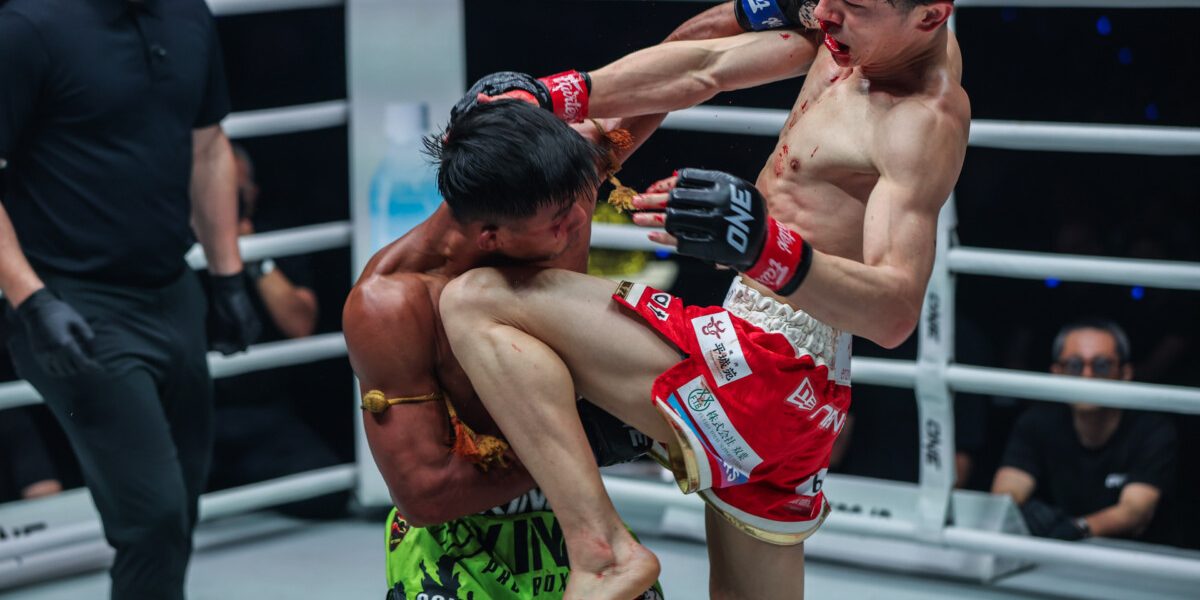
POLICY WIRE — Tokyo, Japan — In the taut silence preceding the unanimous decision, Tokyo’s Ariake Arena wasn’t just holding its breath for a judge’s verdict; it was tacitly acknowledging a delicate dance of national pride, sporting dominion, and the ever-expanding economic footprint of Asian combat sports. When Nadaka Yoshinari’s hand was ultimately raised, confirming his masterful defense of the ONE Atomweight Muay Thai World Title against Thailand’s tenacious “Mini-Hulk” Songchainoi Kiatsongrit, it wasn’t merely a victory for the Japanese phenom. It was a pronouncement.
This wasn’t some prosaic regional bout, you see. It was a globally broadcast spectacle at ONE SAMURAI 1, a three-year-gestating rematch with significant cultural weight. Nadaka, the 25-year-old from Eiwa Sports Gym, didn’t just outpoint his Thai challenger; he outmaneuvered him with the precision of a seasoned diplomat dissecting a complex treaty. Songchainoi, despite his formidable reputation — a former foe Nadaka had famously dropped thrice in their initial, lower-stakes encounter — found himself constantly navigating a labyrinth of feints and counters.
And what a maze it was. The first round saw Songchainoi shadow-boxing, testing the waters, only to be met with Nadaka’s calculated parries. But then, the Japanese champion — with an almost preternatural calm — began to escalate. He negated opportunities, slid away from power shots, and even when he missed, he wasn’t there for the inevitable return fire. You couldn’t help but notice the controlled aggression, the kind that speaks volumes about a fighter’s strategic depth rather than just brute force. Sure, “Mini-Hulk” landed a few sharp knees in the clinch, even a thunderous right, but Nadaka never truly relinquished his grip on the narrative.
Still, the Thai wasn’t easily subdued. By the third stanza, Songchainoi, a shorter, stockier Samut Prakan native, began pressing, using his physicality to dominate the clinch. It became a grappling clinic within a striking contest, a testament to Muay Thai’s multifaceted nature. The fourth round — arguably the most competitive — showcased a furious exchange of kicks, followed by Songchainoi’s shift to bodywork. Nadaka, in turn, pumped sharp, stinging punches into his opponent’s face, reasserting his authority with surgical intent. That’s what champions do; they adapt, they dominate, they make adjustments on the fly. And he did.
In the final round, Songchainoi — heart on display, but perhaps a touch too late — attacked relentlessly. But Nadaka, employing his clinch work, neutralized the pressure, preventing any meaningful comeback. Ultimately, he simply possessed too many tools, too much strategic acumen, to falter on home turf. This wasn’t just a win; it was a vindication, propelling his professional record to an astounding 67-6, punctuated by a shocking 41-bout winning streak — a statistic that firmly plants him atop the atomweight hierarchy.
“This isn’t merely a fight,” asserted Kenji Tanaka, Japan’s Minister for Culture and Sport, during a recent press brief. “It’s a testament to our nation’s dedication to martial arts, — and a beacon of cultural exchange across Asia. Nadaka-san embodies the spirit of Japanese excellence.” His sentiment resonates with the broader geopolitical implications of such events. Across the Gulf of Thailand, Dr. Somsak Preecha, Cultural Attaché at the Royal Thai Embassy in Tokyo, offered a more subdued, yet equally proud, assessment: “Muay Thai remains a core pillar of our national identity. Songchainoi, though defeated, carried the spirit of a nation into that arena. The world is watching our martial heritage unfold.”
📄 POLICY WIRE WHITEPAPER PUBLISHED: PAKISTAN'S NATIONAL SECURITY POLICY PRIORITIES
👉 READ BY CLICKING HEREWhat This Means
Nadaka’s decisive victory, particularly on Japanese soil, underscores a subtle yet significant shift in the landscape of Asian combat sports. While Thailand remains the undisputed historical heartland of Muay Thai, Japan’s growing prominence — both in terms of homegrown talent and as a host for major events like ONE Championship — reflects an astute soft power play. Tokyo isn’t just importing entertainment; it’s cultivating its own martial arts heroes, leveraging global platforms to showcase national prowess and cultural resilience.
Economically, these mega-events are substantial drivers. The global combat sports market, projected to hit $40 billion by 2027, underscores the burgeoning appetite for spectacles like these, offering immense tourism revenue and brand exposure for host cities. For platforms like ONE Championship, dominating these Asian markets is pivotal. And it’s not just East Asia; the visceral appeal of combat sports transcends borders, resonating from the bustling arenas of Tokyo to the fight clubs burgeoning across the Middle East and South Asia — including burgeoning fanbases in countries like Pakistan, where martial arts traditions, albeit different, hold deep cultural reverence. Such events cultivate a shared regional identity, even as national flags are fiercely waved. Consider the rapid ascent of India’s IPL in cricket; these sports leagues are increasingly becoming diplomatic vehicles, defining new forms of global soft power and economic influence.
Behind the headlines of knockouts — and submissions, there’s a careful calculation unfolding. The success of fighters like Nadaka — articulate, disciplined, and devastatingly effective — serves as a powerful narrative, attracting new generations of fans and practitioners. It’s not just about who wins; it’s about who controls the narrative, who hosts the spectacle, and who, ultimately, profits from this intricate ballet of brawn and national pride.