

Gridiron Gambles: Pavia’s Undrafted Path to Baltimore and the Futures Market of Collegiate Talent
POLICY WIRE — Baltimore, MD — Not every Cinderella story arrives with a ticker-tape parade, nor does every consequential talent walk unchallenged into the promised land. Sometimes, the most...

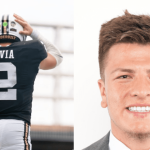
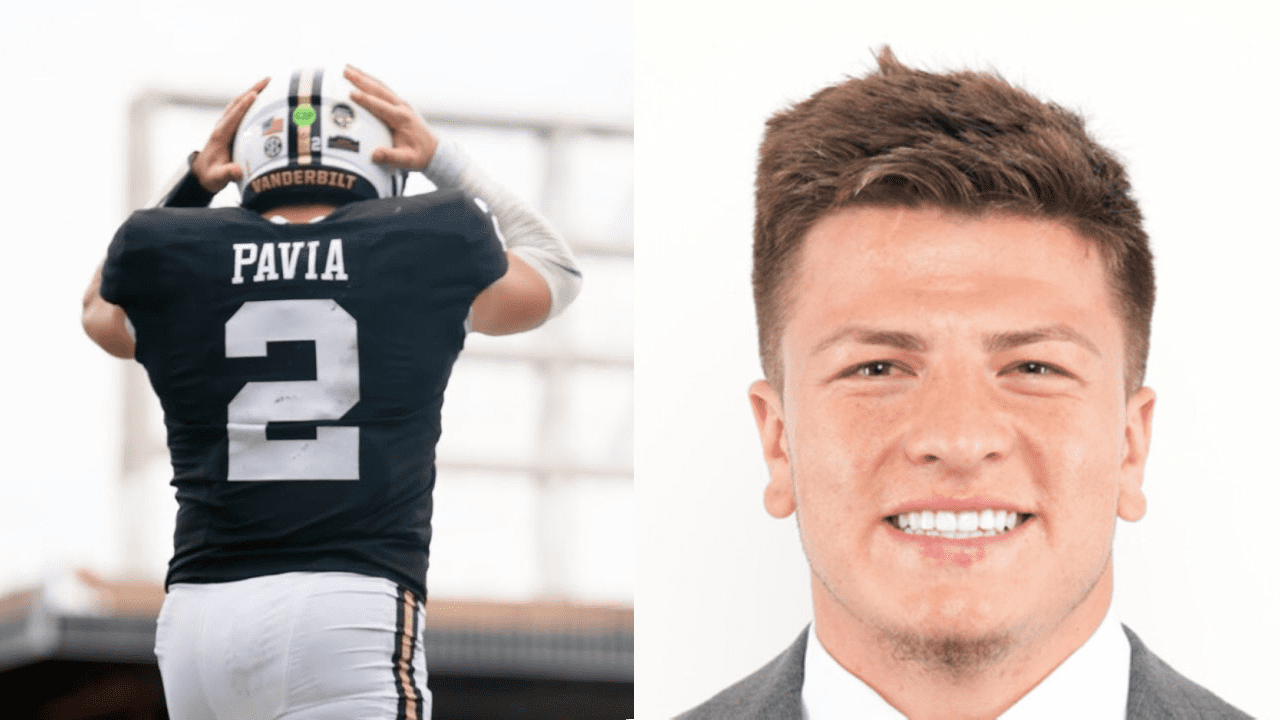
POLICY WIRE — Baltimore, MD — Not every Cinderella story arrives with a ticker-tape parade, nor does every consequential talent walk unchallenged into the promised land. Sometimes, the most compelling narratives are forged in the quiet desperation of the undrafted, the overlooked, and the statistically improbable. Such is the recent saga of Diego Pavia, the New Mexico native and former Vanderbilt quarterback, whose path to the Baltimore Ravens wasn’t paved with first-round accolades but rather with the gritty resolve of a player navigating the brutal, unsentimental futures market of collegiate athletics.
It’s a peculiar spectacle, the annual NFL Draft — a high-stakes, multi-billion-dollar pageant that purports to identify the sport’s next titans. Yet, for all its pomp and predictive algorithms, it often leaves behind extraordinary individuals, only for them to resurface through alternative channels. Pavia, a Heisman Trophy finalist who incredibly went unselected, is one such testament. He wasn’t the first, nor will he be the last, but his story underscores a deeper truth about the professional sports machine: genuine talent, sometimes, slips through the cracks, only to be rediscovered in less glamorous settings like rookie mini-camps.
And so, the Ravens, a franchise renowned for its shrewd, often contrarian player acquisition strategies, formally secured Pavia’s services this past Tuesday. It wasn’t a splashy headline; it was a terse, clinical announcement, yet its implications ripple far beyond the immediate roster move. It suggests a calculated risk, an investment in a player whose collegiate journey — from Volcano Vista High School to New Mexico Military Institute, then to NMSU before landing at Vanderbilt — reads less like a direct ascent and more like a circuitous, determined odyssey.
Behind the headlines of athletic prowess lies a profound economic reality: professional sports, especially American football, operates as a hyper-competitive labor market. Teams are constantly scouting, quantifying, — and projecting human potential, often with vast sums of money at stake. The very act of a Heisman finalist going undrafted speaks volumes about the perceived depth of talent, or perhaps, the inherent biases within the scouting complex. It’s a stark reminder that even statistical outliers (Pavia was the first Heisman finalist since 2014 to face this fate) can find themselves awaiting a secondary, less formalized call-up.
“We don’t just draft names; we draft potential, and sometimes, that potential is hidden in plain sight, or on a different path,” asserted Eric DeCosta, the Ravens’ General Manager, reflecting on the team’s philosophy. “Diego’s film, his resilience, his undeniable grit – it spoke volumes to our evaluators. We’re willing to invest in that raw, undeniable spirit, irrespective of where he was picked, or wasn’t picked, in the main event.” It’s a pragmatic approach that acknowledges the imperfections of the draft system itself.
Still, Pavia’s New Mexico roots add another layer to this narrative. The state, often overlooked in the national sports conversation, frequently produces athletes whose tenacity is born from a different kind of proving ground. His journey from Albuquerque to the professional ranks isn’t just about football; it’s about representation, about the quiet triumph of homegrown talent against broader economic and geographic disparities. “New Mexico’s spirit isn’t just in its breathtaking landscapes; it’s in the resolve of its youth, in their refusal to be confined by perception,” asserted State Senator Elena Chavez, a longtime advocate for youth sports programs in the state. “Diego’s ascent, against considerable odds, showcases what’s possible when we nurture and believe in our homegrown talent, showing kids across the state that their dreams aren’t just fantasy.”
The NFL, it’s worth remembering, isn’t solely populated by first-round phenoms. Indeed, approximately 30% of players on NFL opening day rosters have historically been undrafted free agents, according to various league analyses – a crucial pipeline for teams seeking overlooked value. Pavia’s story isn’t an anomaly, it’s a vibrant illustration of this enduring pathway.
The saga of Pavia, from Heisman recognition to draft snub to mini-camp invite, isn’t just a feel-good sports story. It’s a microcosm of global talent acquisition — a relentless, sometimes brutal, search for undervalued assets. Much like the intense, often crushing, expectations placed on burgeoning cricket stars in the subcontinent, where national pride and immense economic pressures can lead to unseen tolls, the American collegiate football system similarly churns through countless aspiring athletes. The ones who persevere often possess a resilience that transcends mere athletic ability. Their journeys offer a vivid, human-scale depiction of the futures market of human potential.
What This Means
Pavia’s signing by the Ravens, though ostensibly a minor transaction in the grand scheme of NFL business, carries considerable implications. Politically, it champions the narrative of perseverance and regional pride, offering a powerful, tangible example for youth development programs in states like New Mexico that often struggle for national attention. Economically, it highlights the continuous, almost predatory, nature of talent identification in sports – a perpetual search for arbitrage opportunities where perceived value lags behind actual capability. For players, it reinforces the hard truth that the draft isn’t the sole determinant of destiny, offering a glimmer of hope to countless others who, despite stellar collegiate careers, may face similar snubs. For franchises, it’s a testament to the enduring value of thorough scouting and a willingness to defy conventional wisdom, proving that sometimes, the most astute investments are made not on draft day, but in the days that follow, when the spotlight has dimmed and only raw talent and unyielding determination remain.