


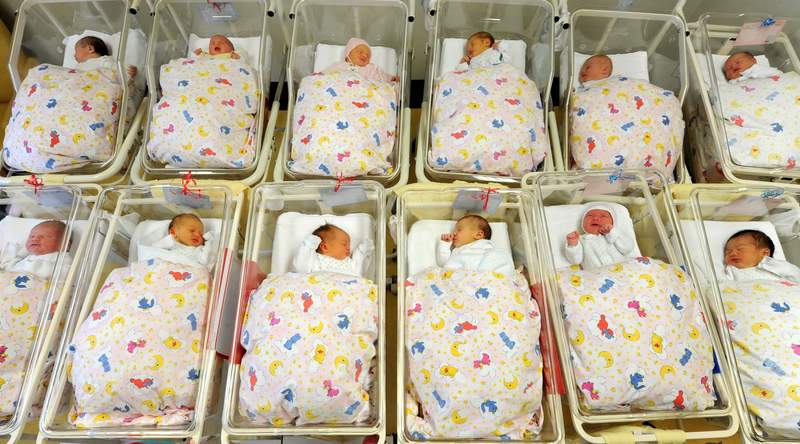
Germany’s Quiet Contraction: An Economic Titan Confronts Its Disappearing Future
POLICY WIRE — Berlin, Germany — The hum of modern industry, the ceaseless thrum of an export powerhouse, often masks a quieter, more profound shift occurring beneath the surface of...

POLICY WIRE — Berlin, Germany — The hum of modern industry, the ceaseless thrum of an export powerhouse, often masks a quieter, more profound shift occurring beneath the surface of Europe’s economic engine. It isn’t just the chill of inflation or the distant rumble of geopolitical friction that’s unsettling Germany; it’s the increasingly audible silence in its nurseries, the dwindling echo of children’s laughter that policy wonks and economists are now straining to hear. The nation, it seems, is quite literally shrinking, not with a bang, but with a barely perceptible sigh.
This demographic downshift isn’t merely a statistical blip; it’s a seismic realignment that promises to reshape everything from pension funds to playgrounds. And what’s behind it? A potent brew of economic anxiety, delayed family planning, and perhaps, a deeper societal reassessment of what ‘future’ even means. The latest figures from the Federal Statistical Office (Destatis) reveal a stark truth: Germany recorded a mere 693,000 live births in 2023. This isn’t just low; it’s the lowest annual birth total since 1946, a precipitous drop that hadn’t been seen even in the immediate, ravaged aftermath of World War II.
And so, the implications are vast, stretching beyond mere numbers to touch the very soul of the republic. Policy makers are grappling with a conundrum that defies easy answers. How do you sustain a robust welfare state — with its generous pensions, healthcare, and infrastructure — when the base of young taxpayers supporting it’s steadily eroding?
“We’re deeply committed to supporting families — and ensuring a vibrant future for all generations,” shot back Dr. Anja Weber, Federal Minister for Family Affairs, Senior Citizens, Women — and Youth, in a recent Bundestag debate. “But these figures demand a fundamental re-evaluation of our entire social infrastructure, a bold rethinking of how we incentivize parenthood and support working parents.”
But it’s a complex knot to untangle. Behind the headlines, there’s a confluence of factors at play: the spiraling cost of living in urban centers, the increasing pressure on young professionals to prioritize careers, and an overarching sense of global instability that makes prospective parents hesitate. And these aren’t just German phenomena; they’re echoes of trends across much of the developed world, albeit with Germany now leading the vanguard of the decline.
Dr. Klaus Richter, a prominent demographer at the Max Planck Institute, isn’t convinced by simple policy fixes. “It isn’t merely a matter of economic incentives or childcare subsidies,” he contended, leaning back during a recent virtual seminar. “It’s a complex interplay of existential anxieties, the relentless demands of modern life, and a profound shift in cultural values. Young people aren’t just delaying; they’re questioning the very premise of having children in an uncertain world.”
📄 POLICY WIRE WHITEPAPER PUBLISHED: PAKISTAN'S NATIONAL SECURITY POLICY PRIORITIES
👉 READ BY CLICKING HEREStill, for a nation that prides itself on its engineering prowess and meticulous planning, this demographic drift feels like an unforeseen structural flaw. It isn’t just about filling school seats; it’s about filling jobs, sustaining innovation, and maintaining Germany’s formidable industrial might. The absence of children today translates directly into a lack of skilled workers tomorrow, a concern amplified by wider economic headwinds stemming from global supply chain disruptions and geopolitical instability.
Paradoxically, Germany has long relied on immigration to bolster its workforce — and offset its aging population. This declining birth rate will only intensify that reliance, creating both opportunities and significant societal integration challenges. For countries like Pakistan, with its burgeoning youth population and significant diaspora already present in Europe, Germany’s demographic crunch could appear as an ever-more attractive destination for skilled labor and professionals. It’s a dynamic that underscores the interconnectedness of global demographics — one nation’s shortage often becomes another’s opportunity, creating intricate policy dilemmas around integration, cultural identity, and economic migration that both sending and receiving countries must navigate.
What This Means
At its core, this precipitous drop in Germany’s birth rate signals more than just a shrinking populace; it’s an urgent alarm sounding for the nation’s long-term economic viability and social cohesion. Economically, fewer births today mean a smaller working-age population in the decades to come, placing immense strain on the state pension system, healthcare services, and the labor market. Imagine the burden on a shrinking pool of workers trying to support an expanding cohort of retirees; it’s a fiscal tightrope walk, to put it mildly. We’re talking potential declines in GDP growth, reduced innovation capacity, and a diminished global competitive edge if current trends persist.
Politically, the consequences are equally profound. Governments will face increasing pressure to address this demographic winter, likely through a mix of enhanced family benefits, more generous parental leave policies, and — crucially — more proactive and streamlined immigration strategies. But expanding immigration, while a necessary economic lever, always ignites contentious debates about national identity and cultural integration (a sensitive topic, as you might imagine). Socially, the aging of Germany will reshape communities, potentially leading to fewer schools, more care homes, and a fundamental shift in intergenerational dynamics. The vibrant youthful energy that drives innovation and cultural evolution could simply attenuate, fostering a more conservative, risk-averse society. It’s a demographic challenge that’s not just a German problem; it’s a cautionary tale for developed nations everywhere.