

From Arid Plains to Gridiron Glory: New Mexico’s Unsung Athletes Redefine NFL Talent Pool
POLICY WIRE — ALBUQUERQUE, N.M. — It isn’t always the glittering Power Five conference behemoths or the meticulously groomed prospects from football factories that capture the NFL’s...

POLICY WIRE — ALBUQUERQUE, N.M. — It isn’t always the glittering Power Five conference behemoths or the meticulously groomed prospects from football factories that capture the NFL’s voracious appetite for talent. Sometimes, the raw, unpolished diamonds emerge from the most unlikely of locales – places like the high desert plains of New Mexico, long considered a peripheral outpost in the sprawling empire of American football. But that perception, it seems, is undergoing a quiet, yet consequential, recalibration.
Behind the headlines of blockbuster trades and high-profile draft picks, a different narrative unfolds: a cadre of New Mexico-bred athletes, many of whom plied their trade within the state’s less-heralded collegiate programs, are currently carving out audacious pathways to the league. This isn’t just a handful of feel-good stories; it’s a subtle but palpable shift in how the NFL—an entity perpetually hungry for an edge—is sourcing its next generation of players, daring to cast its net wider than ever before. So, while the spotlight often gravitates towards established pipelines, the Land of Enchantment is quietly furnishing a surprising crop of gridiron hopefuls.
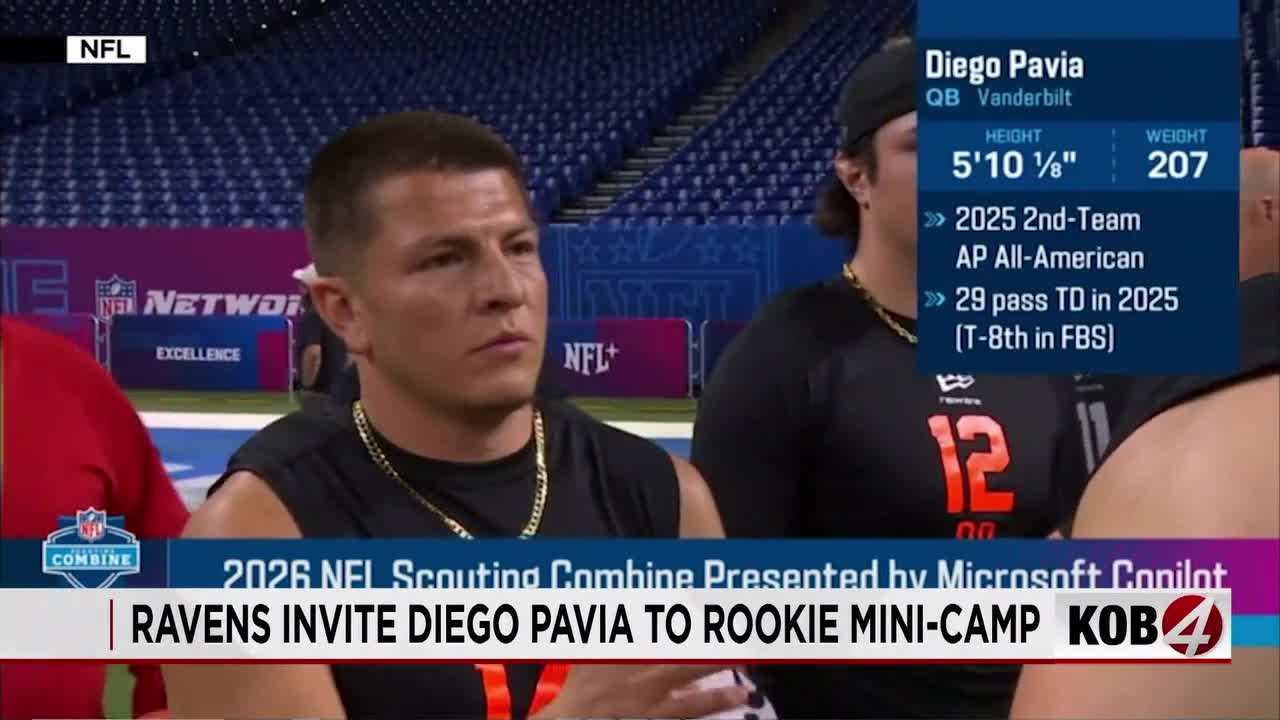
Consider Diego Pavia, a quarterback from New Mexico State whose omission from the formal draft didn’t deter the Baltimore Ravens from extending a rookie mini-camp invitation. Pavia, notably the first Heisman Trophy finalist since 2014 to go undrafted, is now poised to compete for a spot on a formidable roster, a testament to sheer tenacity if ever there was one. Then there’s Luke Wysong, a former UNM Lobo who, after a stint at Arizona, garnered an undrafted free agent contract with the Minnesota Vikings. His career stat line—over 1,700 receiving yards and five touchdowns, augmented by two punt return scores—hardly screams ‘overlooked,’ yet the journey to a pro contract often demands this kind of circuitous route for athletes outside the mainstream.
And the list doesn’t end there. Shiyazh Pete, an alumnus of Shiprock High School who honed his craft at New Mexico State before a senior year at Kentucky, is reportedly set to join the Dallas Cowboys. Keyshawn James Newby, a former Lobo linebacker, heard his name called by the Philadelphia Eagles in the seventh round of the draft—the 252nd overall pick—after a resurgent season under first-year head coach Jason Eck where he amassed nine sacks and all-Mountain West honors. Damon Bankston, a running back who churned out over 1,000 total yards and eight touchdowns last season, including a 100-yard kickoff return, has reportedly signed with the New York Giants. It’s a mosaic of talent, each piece representing a triumph over conventional expectations.
“The game’s talent pool isn’t confined to three or four conferences anymore; it’s a globalized search for elite athleticism,” posited Marcus Thorne, a veteran NFL scout for a prominent West Coast team, reflecting on the evolving landscape. “You’d be foolish to ignore the grit cultivated in environments like New Mexico, where players often have to fight harder just to get noticed. We’re not just looking for size and speed; we’re hunting for the intangible, the relentless drive that defines these kids.”
This expansion of the scouting lens underscores a broader trend in professional sports. Just as cricketing leagues scour obscure villages in Pakistan for the next fast bowler, or football clubs unearth midfield maestros from underserved communities in South America, the NFL, too, has understood the imperative of looking beyond the obvious. It’s an embrace of pure, unadulterated meritocracy, where raw skill and indomitable will can eclipse the sheen of a brand-name program. Indeed, approximately 30 percent of current NFL players began their careers as undrafted free agents, a stark figure that highlights the enduring value of perseverance and the expanding opportunities for those who defy initial projections.
“These success stories aren’t just about football; they’re about showcasing the inherent resilience and determination of New Mexicans,” declared Elena Sandoval, New Mexico’s Secretary of Sports and Cultural Affairs, with a noticeable swell of pride. “It provides an aspirational beacon for our youth—whether they dream of the NFL, playing cricket professionally in Karachi, or simply excelling in their chosen field—and, frankly, puts our state on the map for more than just its iconic green chile. It’s a testament to what disciplined, hard work can achieve, irrespective of where you hail from.” It’s a pragmatic view, one that connects athletic achievement to broader civic pride and global aspirations.
Still, the journey for these athletes is far from over. An invitation to a rookie camp or an undrafted free agent contract is merely an opening gambit in a high-stakes professional poker game. They’ll face brutal competition, unrelenting physical demands, — and the constant threat of being cut. But for now, they’ve pierced the veil, proving that talent, when coupled with an unyielding spirit, can flourish even in the desert’s embrace. They’ve shifted perceptions, forcing the league—and observers—to re-evaluate where true athletic gold might be unearthed, sometimes from under the very noses of the established order. This phenomenon is a stark reminder that the crucible of elite sports is ever-widening, ever more discerning in its hunt for singular excellence. For more on the NFL’s evolving talent strategies, read Gridiron’s Quiet Gambit: The NFL’s Relentless Hunt for Niche Athleticism Shifts Market Dynamics.
What This Means
At its core, the increasing visibility of New Mexico athletes in the NFL reflects a broader strategic recalibration within professional sports: the insatiable quest for talent often dictates a departure from traditional scouting paradigms. Economically, this surge of local talent provides a significant, albeit indirect, boost to state pride and potentially even local sports programs, attracting more interest and investment. It’s a potent symbol for communities that often feel overlooked, demonstrating that hard work and skill can transcend geographical and financial limitations. Politically, while not a direct policy matter, it underscores the importance of public and private investment in youth sports and educational infrastructure, which cultivate these foundational skills. it speaks to the evolving global nature of elite sports; if the NFL can find talent in New Mexico, it also implicitly acknowledges that potential can emerge from truly any corner of the globe, challenging ethnocentric biases in talent identification across all professional sports, from football here to kabaddi in Pakistan. This isn’t just about a few athletes making it; it’s about the erosion of old gatekeeping mechanisms and the triumph of raw ability in an increasingly interconnected, talent-hungry world.