

From Developmental Crucible to Primetime: Ethan Page’s Calculated Ascent Echoes Global Talent Economy Shifts
POLICY WIRE — Orlando, Florida — It wasn’t the roar of the crowd that finally convinced Ethan Page of his main roster bona fides; it was the quiet, almost perfunctory handshake from the...

POLICY WIRE — Orlando, Florida — It wasn’t the roar of the crowd that finally convinced Ethan Page of his main roster bona fides; it was the quiet, almost perfunctory handshake from the cerebral architect of modern WWE, Paul Levesque (better known as Triple H), backstage. After two decades of navigating the circuitous — and often brutal — pathways of professional wrestling, the 36-year-old’s much-anticipated debut on ‘Raw After ‘Mania’ felt, by his own admission, less like a surprise and more like an overdue appointment.
And what an appointment it was. Page’s arrival on WWE’s flagship show, an annual spectacle following its grandest event, isn’t just another tale of perseverance; it’s a trenchant illustration of how a globally dominant entertainment juggernaut meticulously cultivates, refines, and deploys talent. This isn’t merely about athleticism; it’s about brand synergy, market penetration, and the calculated construction of a cultural phenomenon that resonates from suburban American living rooms to bustling South Asian markets where WWE boasts millions of ardent viewers, many of whom watch with an almost religious devotion.
Still, Page’s journey wasn’t a direct flight. Despite a considerable international profile gleaned from stints in promotions like Impact and AEW, WWE, ever the empire, funneled him into its developmental system, NXT. There, he spent nearly two years, enduring what he candidly describes as a “university-level education” in the craft he’d thought he’d mastered. “I was an entertainer my entire career until coming to WWE,” Page reflected, a dry wit tempering the earnestness. “Then I became a professional wrestler. Honestly, I had been kind of winging it until I arrived at the Performance Center and getting molded by the coaches and professionals in the WWE to do what we actually do.” It’s a striking admission from a seasoned performer, underscoring the company’s unyielding belief in its proprietary system.
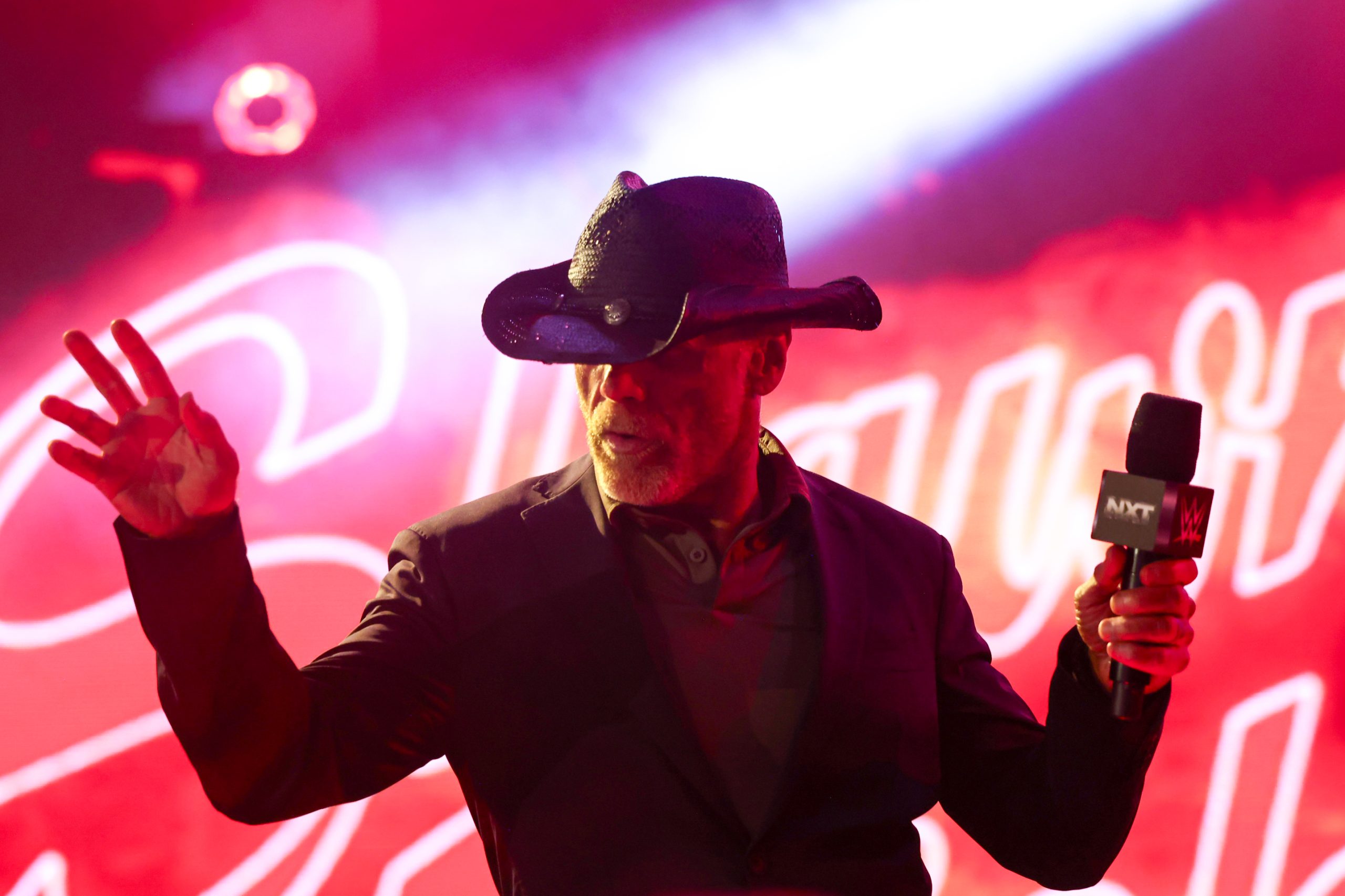
But the system, it seems, has its merits. Page thrived under the tutelage of legends, particularly Shawn Michaels, the creative head of NXT, whose ‘neurotic’ obsession with wrestling perfection found a kindred spirit in Page. His 273-day reign as NXT North American Champion, a company record, stands as a testament to this transformative period. “It’s the best because he’s the best,” Page asserted, referring to Michaels. “I am the type of performer that I will almost, without even knowing it, mirror the person that I am closest to or the person that I am working with.” That kind of institutional molding isn’t just about wrestling holds; it’s about character, presence, and — critically — aligning with the corporate brand.
So, when the moment finally arrived, it wasn’t a sudden, electrifying jolt, but a profound sense of affirmation. “I honestly just thought ‘finally,’” Page mused. “I’ve genuinely worked my entire life for this.” And he hasn’t let up. Beyond the main roster spotlight, Page remains a fixture at the Performance Center, a de facto mentor to younger talent. This dedication, this almost obsessive commitment to the machine, isn’t just personal; it’s an investment in the broader talent economy that fuels WWE’s global ambitions. For aspiring athletes in Lahore or Dhaka, seeing a veteran like Page patiently climb the corporate ladder, even after prior success, reinforces the narrative of a universal meritocracy — a powerful, if somewhat romanticized, message.
“We’re always looking for individuals who not only excel in the ring but embody the values and work ethic that fuel our global enterprise,” opined Paul Levesque, WWE’s Chief Content Officer, in a statement to Policy Wire, regarding the rigorous NXT development. “Ethan Page is a prime example of an athlete who understood the process and committed to reaching the pinnacle.” It’s a clear articulation of WWE’s philosophy: talent is nurtured, not merely acquired.
What This Means
Ethan Page’s transition from NXT to ‘Raw’ isn’t just a career milestone for one individual; it’s a window into the sophisticated economic and political dynamics of modern sports entertainment. WWE, much like other global entertainment behemoths, operates a meticulously structured talent pipeline, designed to ensure a continuous supply of highly polished, brand-ready performers. This system mitigates risk, standardizes quality, and allows for the seamless integration of new faces into an existing, lucrative narrative. Economically, NXT functions as both a cost-effective minor league and a long-term investment strategy, safeguarding the main roster’s appeal and future earnings.
Politically (in the broadest sense), WWE also acts as a cultural export. Its stories of triumph, struggle, and larger-than-life characters resonate across diverse demographics, offering a form of soft power. The narratives of wrestlers like Page, who embody relentless pursuit of a dream, become universally relatable, even aspirational, in markets far removed from North America. This global appeal translates into substantial viewership and merchandise sales, particularly in regions like South Asia and the Muslim world, where such spectacle often transcends cultural barriers and offers a shared entertainment experience. The company’s continued investment in its developmental system is, therefore, not just about filling roster spots, but about sustaining a global entertainment empire.
His immediate goal? The Intercontinental Championship, a title he idolized as a child of the ’90s. “Hands down, if there was ever a championship that you ever asked little Ethan, ‘Hey, what would be your dream championship?’ Intercontinental Championship.” It’s a goal that connects his personal history to a long lineage of professional wrestling lore, grounding his manufactured persona in authentic childhood aspiration. The bright lights may be new, but the mission, it seems, remains the same: proving himself, one meticulously planned step at a time.