


Europe’s Billion-Dollar Ball Game: Champions League Semifinals as a Geopolitical Spectacle
POLICY WIRE — London, UK — Forget the athletic prowess, the tactical masterclasses, or even the sheer spectacle for a moment. At its core, the upcoming UEFA Champions League semifinals aren’t...

POLICY WIRE — London, UK — Forget the athletic prowess, the tactical masterclasses, or even the sheer spectacle for a moment. At its core, the upcoming UEFA Champions League semifinals aren’t merely a football tournament; they’re a colossal display of European soft power, a multi-billion-euro economic engine, and, for many, a fierce proxy war of national identity played out on the meticulously manicured lawns of elite stadiums. This isn’t just about a ball finding a net; it’s about branding, global viewership, and the relentless pursuit of commercial dominance.
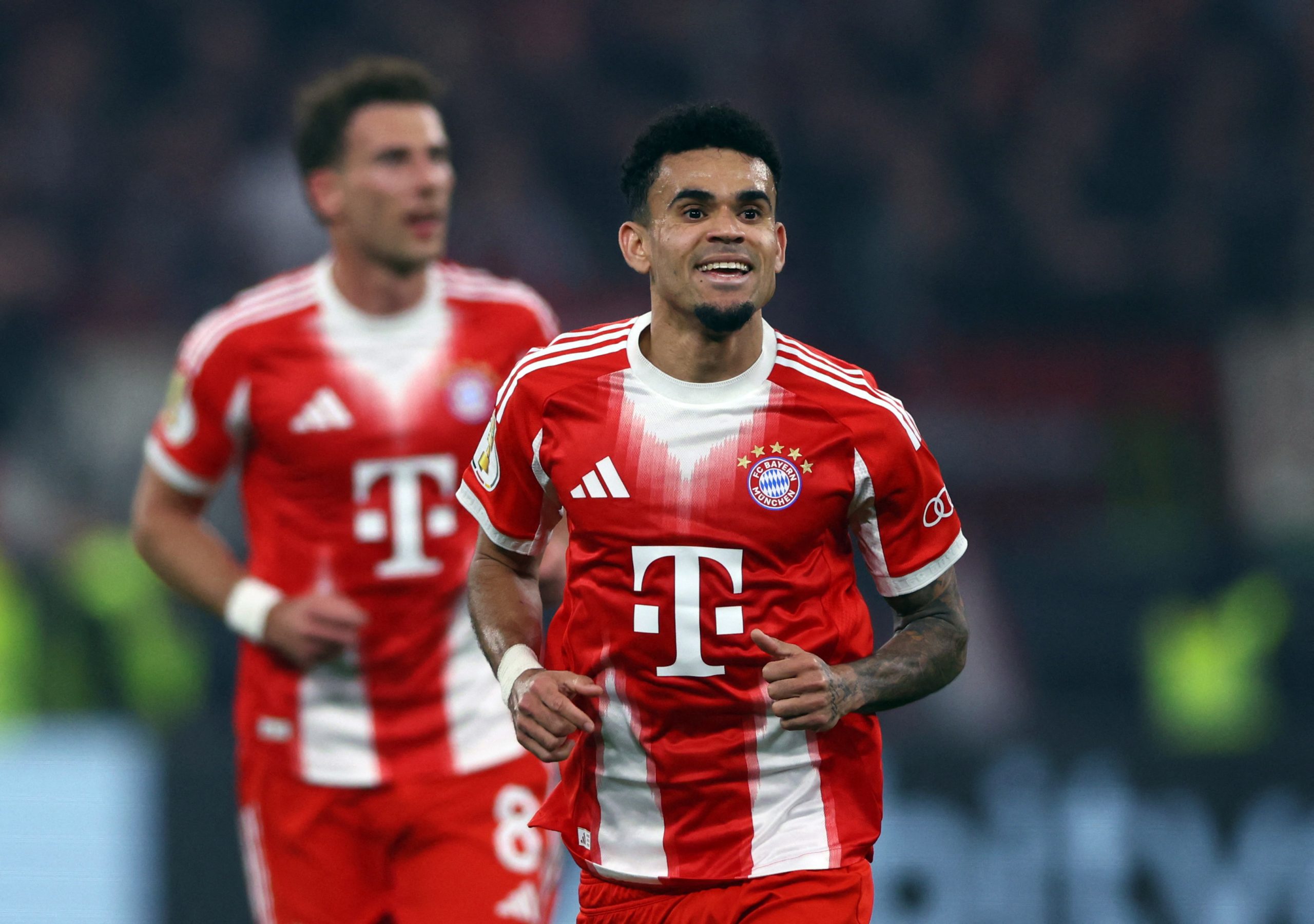
As four continental leviathans — Germany’s Bayern Munich, France’s Paris Saint-Germain (PSG), Spain’s Atlético de Madrid, and England’s Arsenal — prepare to lock horns, the world, stretching from the bustling souks of Marrakech to the quiet villages of Bangladesh, watches with bated breath. These aren’t just clubs; they’re multinational corporations draped in the colours of their respective nations, each goal a minute surge in national morale, each defeat a bruising blow to collective ego. And make no mistake, the stakes are profoundly consequential.
PSG, last season’s victor, finds itself in a particularly fascinating position, having parlayed vast Qatari investment into a formidable, if sometimes controversial, global brand. Their clash against Bayern Munich, a perennial German powerhouse built on a more traditional, member-owned model, offers a stark contrast in footballing philosophies and ownership structures. On the other side of the bracket, the gritty pragmatism of Atlético de Madrid faces Arsenal’s rejuvenated English flair—a matchup that perfectly encapsulates the diverse strategic approaches to modern European football.
“These matches transcend sport; they’re cultural touchstones for entire populations,” opined Dr. Lena Brandt, a sports economist at the University of Hamburg. “The financial injection into host cities, the tourism, the media rights – it’s an economic behemoth that often goes understated, a veritable GDP contributor for some regions. We’re talking about an ecosystem generating billions in annual revenue for UEFA, with clubs vying for their piece of that pie.” She further elaborated, “The Champions League itself generated approximately 3.6 billion euros in revenue during the 2022-23 season alone, a staggering sum that underscores its commercial gravity.”
Indeed, the tournament’s global reach is staggering. In Pakistan, for instance, where football’s popularity continues its inexorable rise amidst cricket’s traditional dominance, millions will tune in via satellite dishes and streaming platforms, often in the dead of night, to catch every tantalizing moment. It’s a shared global experience, a fleeting connection between disparate cultures, united by the universal language of the beautiful game. This deep engagement isn’t just passive viewing; it fuels a vibrant parallel economy of merchandise sales, local sports bars, and even burgeoning online betting markets, (though that’s another policy headache entirely).
For some, this level of globalized sport represents the best of international cooperation; for others, it’s a stark reminder of unchecked corporate power and the erosion of local traditions. But one thing is certain: these semifinals are not just for the fans in Paris or London. They’re for the shopkeeper in Lahore, the student in Dhaka, the diaspora communities across the globe who find a piece of home—or a window into another—in each televised match. This global audience makes the marketing stakes immeasurable, pushing clubs to cultivate colossal social media followings and secure lucrative sponsorship deals.
“We aren’t just selling football; we’re curating a global narrative of excellence and competition,” declared Jean-Luc Dubois, a senior UEFA commercial executive, during a recent closed-door briefing. “Each club represents a powerful brand, a testament to European sporting supremacy. The broadcast rights alone are an intricate web of international diplomacy and hard-nosed negotiation, ensuring our product reaches every possible corner of the planet.” And he’s right; these are the new gladiators, but their arena is the planet itself.
What This Means
The Champions League semifinals signify far more than mere athletic competition; they’re a litmus test for geopolitical soft power and economic influence. Victory elevates not just a club, but implicitly, its nation’s prestige on a global stage, bolstering tourism, investment, and cultural appeal. Conversely, defeat can puncture national pride and potentially impact a club’s future commercial viability, affecting everything from player recruitment to sponsorship renewals.
Economically, the tournament functions as a powerful, self-sustaining entity, generating colossal revenue through broadcasting rights, sponsorships, ticketing, and merchandising. This financial heft allows European clubs to attract top talent worldwide, creating a virtuous cycle that reinforces their dominance. For non-European regions, particularly in South Asia and the Muslim world, the Champions League acts as a cultural bridge, offering a shared global experience and fostering significant, albeit often informal, economic activity around viewership and fandom. The constant flow of capital, talent, and viewership across borders reinforces Europe’s central role in the global sports economy, even as questions about ownership models and financial fair play persistently dog the sport’s highest echelons. It’s a complex, glittering machine, this Champions League, — and its gears are grinding into their most critical phase.
The matchups themselves—PSG vs. Bayern and Arsenal vs. Atlético—present a compelling study in contrasts. PSG, with its deep state-backed pockets, embodies the new frontier of football finance, where national interests are openly intertwined with club success. Bayern, meanwhile, often represents a more traditional, fiscally disciplined model, though their own star players command exorbitant fees. These aren’t just games; they’re allegories for broader debates about wealth, power, — and identity in the 21st century.