


Anfield’s Precarious Edge: How One Goalkeeper’s Day Shaped Liverpool’s European Aspirations
POLICY WIRE — London, UK — It isn’t the dazzling forward line or the tactical masterclass that often delineates the thin margin between triumph and financial windfall in elite football....

POLICY WIRE — London, UK — It isn’t the dazzling forward line or the tactical masterclass that often delineates the thin margin between triumph and financial windfall in elite football. Sometimes, it’s a fleeting deflection, a desperate lunge, or a stand-in goalkeeper – a figure usually relegated to the periphery – who suddenly becomes the fulcrum of a club’s multi-million-euro European destiny. At Anfield, in a contest that felt more like a tense economic negotiation than a sporting spectacle, Freddie Woodman’s unsung heroics against Crystal Palace underscored precisely this precarious calculus.
Liverpool’s pursuit of Champions League football, an enterprise carrying economic dividends that underpin modern footballing empires, stumbled, then sprinted, largely thanks to the composure of its third-choice custodian. But it’s the opposition, Crystal Palace, that offered the most potent validation of Woodman’s pivotal afternoon – a begrudging acknowledgement that speaks volumes about the ruthless pragmatism now embedded in the game.
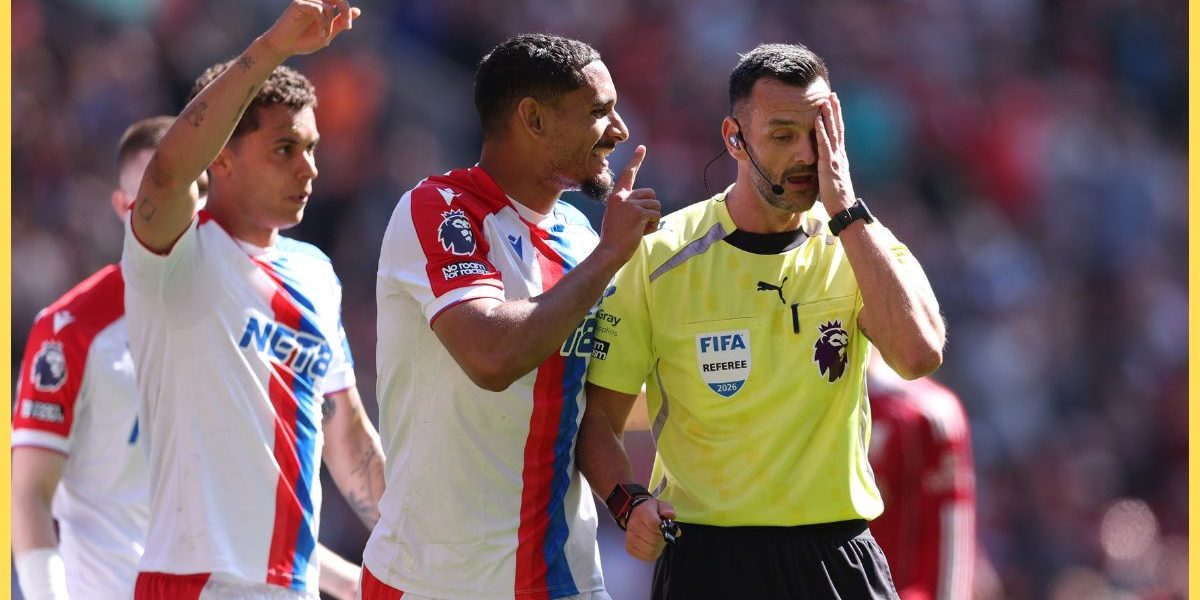
Maxence Lacroix, the Eagles’ French centre-back, didn’t mince words following their 3-1 defeat. “I think we deserved something better,” Lacroix lamented, speaking via cpfc.co.uk. He elaborated, his frustration palpable, “We had the best chances, but we weren’t really efficient in front of goal.” Still, the tactical post-mortem quickly pivoted from Palace’s profligacy to Liverpool’s improbable resistance. Lacroix, with a professional candour that belied his team’s disappointment, conceded the decisive factor: “We have to say congratulations to the goalkeeper. He made some really good saves.” This wasn’t merely about bragging rights; it was about points foregone, positioning lost, and the cold, hard reality of the league table.
Oliver Glasner, Crystal Palace’s manager, echoed that sentiment, albeit with a touch more dramatic flourish. “The Liverpool goalkeeper had the day of his life,” Glasner observed, a statement that succinctly captured Woodman’s unexpected prominence. He’d gone from an administrative footnote to the game’s undeniable protagonist. And for Liverpool, where Anfield’s unsentimental calculus dictates relentless ambition, that singular performance against Palace could just prove to be a consequential waypoint in their season’s trajectory.
The stakes, frankly, couldn’t be higher. Qualification for the UEFA Champions League isn’t just about prestige; it’s a colossal financial injection. According to UEFA’s own financial reports, simply participating in the group stage can net a club tens of millions of euros, with additional performance-related bonuses, market pool distribution, and broadcasting revenue escalating that figure significantly. Compare that to the less lucrative Europa League, and the financial chasm is stark – a difference that can fund a new marquee signing, expand infrastructure, or simply balance the books in an era of escalating player wages and transfer fees. This game, therefore, was a battle for economic viability as much as sporting glory.
Behind the headlines of saves and missed chances lies the intricate web of broadcasting deals and sponsorship agreements that now characterize the global game. For clubs like Liverpool, securing Champions League status amplifies their global brand, particularly in rapidly expanding markets across Asia and the Muslim world. The fervent support in nations like Pakistan, Indonesia, and the Gulf states translates directly into lucrative viewership figures, merchandise sales, and even tourism. A recent report by Statista indicated that the English Premier League, a major feeder for Champions League qualification, boasts an estimated global audience of 3.2 billion people, with a significant portion residing in the Asian continent. Failure to qualify, then, isn’t just a blow to local supporters; it’s a diminished global footprint, impacting revenue streams from Riyadh to Rawalpindi.
What This Means
This match, seemingly a routine league fixture, offers a micro-snapshot of the macro-economic forces at play in contemporary football. Liverpool’s ability to secure victory, despite glaring absences in goal, underscores the depth now required for sustained success at the highest level. It’s not enough to possess a world-class starting XI; the capacity for less heralded players to perform under extreme pressure is proving increasingly instrumental. For Liverpool, Woodman’s standout display lessens the urgency to spend astronomical sums on a backup goalkeeper in the immediate term, allowing resources to be reallocated elsewhere – perhaps toward strengthening other areas of the squad for next season’s European campaign.
the game highlighted the competitive intensity of the Premier League, where even mid-table clubs like Crystal Palace possess the tactical nous and individual talent to disrupt the ambitions of giants. It’s a dynamic that keeps broadcasting partners – — and their multi-billion-dollar commitments – invested. That a single individual’s performance, seemingly out of nowhere, could be the difference between tens of millions in UEFA prize money further illustrates the high-stakes, unpredictable nature that global audiences crave, making stories like Woodman’s a potent narrative in the industry’s continuous self-promotion. It’s a reminder that even in an era dominated by financial might, individual brilliance (or a particularly lucky bounce, depending on your allegiance) still retains its currency.