

Gila’s Inferno: As Hummingbird Fire Rages, Wilderness Management Faces Reckoning Amidst Global Climate Shifts
POLICY WIRE — Silver City, N.M. — It’s an annual ritual, this slow-motion immolation of America’s untamed spaces, yet each conflagration brings with it a fresh, searing...

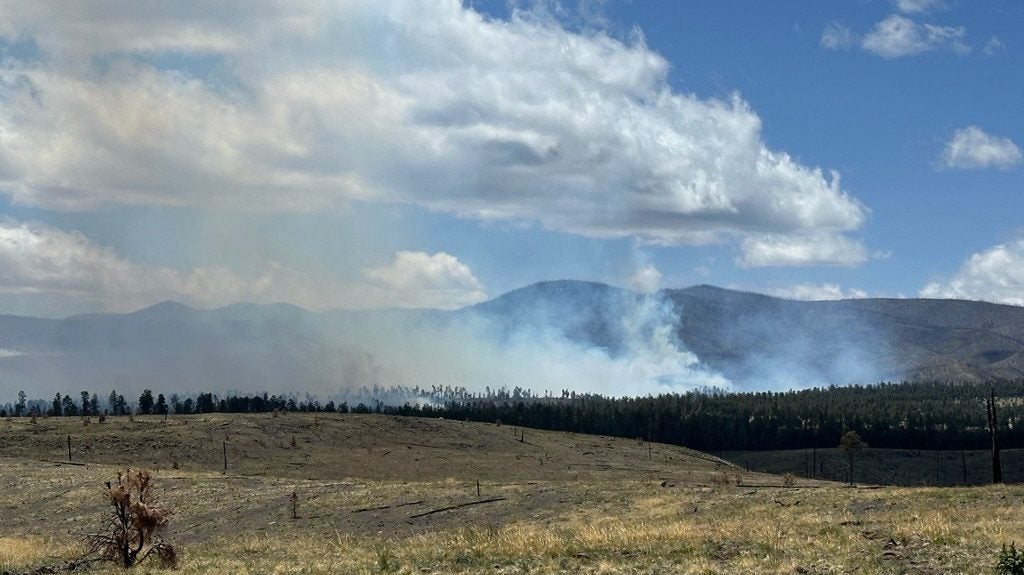
POLICY WIRE — Silver City, N.M. — It’s an annual ritual, this slow-motion immolation of America’s untamed spaces, yet each conflagration brings with it a fresh, searing reminder of systemic fragility. The Gila Wilderness, birthplace of the very concept of “wilderness” as protected federal land, now contends with the Hummingbird Fire — a lightning-ignited inferno that has, by Sunday’s reckoning, swallowed 2,673 acres and remains stubbornly, frighteningly, 0% contained. This isn’t merely a local catastrophe; it’s a stark, smoking tableau of evolving climate policy, resource allocation, and the relentless march of human-influenced environmental shifts.
The blaze, sparked by lightning on Monday, April 20, approximately 15 miles east of Glenwood, has swelled considerably from the 2,018 acres reported just Saturday. Still, its unyielding advance underscores a grim reality: Mother Nature, when incensed, respects no bureaucratic lines nor human aspirations. Fire managers, a contingent of 164 personnel — a dedicated, if seemingly outmatched, force — have been battling through ferocious winds, attempting to carve out a fire line above the Willow Creek Subdivision. This residential enclave remains under a “Go” status, a chilling directive for immediate evacuation, testament to the fire’s immediate, existential threat to human habitation.
Behind the headlines of immediate peril lies a complex web of environmental policy — and budgetary constraints. The U.S. Forest Service, which oversees the Gila, has seen its budget perennially stretched thin, often forced to prioritize suppression over crucial preventative measures like prescribed burns, which could lessen future fire intensity. "We’re contending with an unprecedented confluence of drought, fuel loads, and erratic weather patterns," remarked U.S. Interior Secretary Deb Haaland in a recent policy briefing, her voice betraying a hint of exasperation. "It’s a national security issue, not just an environmental one; these fires displace communities, disrupt supply chains, and strain our federal emergency apparatus." And she isn’t wrong; the economic toll of such events is simply staggering.
But the immediate focus remains on the ground. "Our priority remains the safety of our residents and the protection of critical infrastructure," New Mexico Governor Michelle Lujan Grisham asserted in a terse statement Sunday evening, her words echoing the immediate, visceral fear gripping the state’s rural communities. "The bravery of these crews, often working in unimaginable conditions, is genuinely humbling. We’re deploying every available state resource to assist federal efforts." It’s a sentiment heard too often now, as states across the American West grapple with fires of increasing frequency and ferocity.
This localized struggle in New Mexico, however, shouldn’t obscure its global resonance. The escalating frequency and intensity of wildfires aren’t unique to the American Southwest; they’re symptomatic of a planetary crisis. From the parched eucalyptus forests of Australia to the boreal woodlands of Siberia, and indeed, to the increasingly erratic monsoon patterns and heatwaves plaguing South Asia — which themselves lead to devastating floods and, paradoxically, conditions ripe for intense blazes — the world is wrestling with a changed climate. The UN Environment Programme noted that between 2002 and 2021, an average of approximately 67 million acres of forest and other land burned globally each year, a figure projected to rise by 14% by 2030. It’s a testament to how interconnected our environmental fates truly are, where a fire in a New Mexico wilderness can feel eerily similar in its implications to the environmental challenges faced by nations like Pakistan, contending with their own climactic extremes.
What This Means
At its core, the Hummingbird Fire is more than just a battle against encroaching flames; it’s a litmus test for America’s land management policies in a rapidly warming world. The “let burn” philosophy, once a cornerstone of wilderness management — allowing natural fires to clear underbrush — has become increasingly contentious as urban-wildland interfaces expand and fire seasons lengthen. This fire, burning through remnants of a 2012 wildfire, underscores the cyclical nature of these events and the build-up of fuel loads over time. Politically, it will inevitably fuel debates over federal funding for forestry, emergency services, and climate change mitigation strategies. Economically, beyond the immediate costs of suppression (often hundreds of millions of dollars annually nationwide), there’s the inevitable blow to local tourism, agricultural production, and the long-term environmental recovery — a process that can take decades. Local economies, particularly in states like New Mexico heavily reliant on outdoor recreation, face uncertain futures. Still, the Gila, as the original wilderness, carries a potent symbolism. Its fate, burning uncontained, forces a national conversation about how we protect our most treasured, yet vulnerable, landscapes and what price we’re truly willing to pay for that preservation.
So, as the smoke billows eastward from the Gila, it carries with it not just the scent of burning pine, but the acrid aroma of policy dilemmas yet to be resolved. The Monday update from fire managers is keenly awaited, though it’s unlikely to offer immediate solace. For residents, it’s a nerve-wracking waiting game. For policymakers, it’s a summons to action — an urgent, undeniable demand for a cohesive, future-oriented strategy.