

Anfield’s Fiscal Quagmire: Liverpool’s Staggering £450M Spend Yields Policy Perplexity, Not Premier Glory
POLICY WIRE — London, UK — It wasn’t the goal itself, a late-season tap-in by Alexander Isak marking his inaugural Premier League strike at Anfield, that truly underscored Liverpool’s...

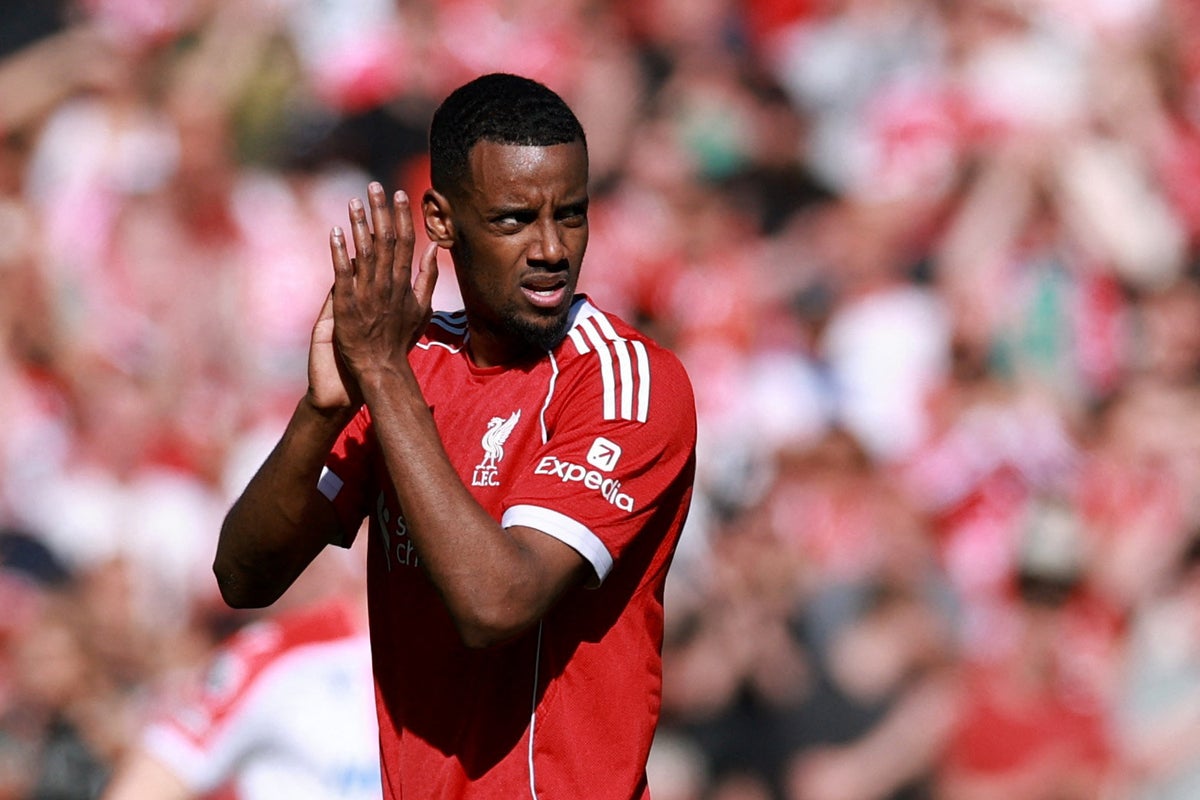
POLICY WIRE — London, UK — It wasn’t the goal itself, a late-season tap-in by Alexander Isak marking his inaugural Premier League strike at Anfield, that truly underscored Liverpool’s season of bewildering underperformance. No, the sheer, unadorned irony lay in its timing. April’s twilight, a period usually reserved for coronation parades or desperate scrambles, found one of football’s titans celebrating a mere first home league goal from a colossal investment. It’s a stark, almost theatrical metaphor for a club that, for a staggering £450 million outlay, has managed to regress from a title challenger to an outfit scrambling for European crumbs.
Behind the headlines — the tactical conundrums and the persistent injury woes — lurks a more profound narrative: a breathtaking fiscal misjudgment orchestrated by those charged with guiding Liverpool’s transfer strategy. For a club once lauded as the epitome of shrewd market navigation, their recent spending spree has yielded faltering investment returns that would make even the most speculative hedge fund manager blanch. The supposed architects of this grand rebuild, Richard Hughes and Michael Edwards, now find their legacy tinged with a distinct, acrid whiff of strategic blunders.
“That sums up this season a lot,” new manager Arne Slot reportedly opined, a sentiment he’s articulated with a disquieting frequency this term. It’s a casual observation, yet it cuts to the core of Liverpool’s predicament: a systemic failure to translate enormous capital into commensurate on-field excellence. Consider Isak, whose £125 million valuation felt less like a strategic acquisition and more like a desperate gamble on a striker already battling a checkered injury history. Captain Virgil van Dijk, ever diplomatic, shot back, “It’s quite an understatement to say he’s had a tough year.” But even he wouldn’t absolve the club of all culpability.
And Isak, bless his injury-plagued career, isn’t alone in this fiscal indictment. Florian Wirtz, a talent whose potential £116 million fee would elevate him into the pantheon of Premier League’s most exorbitant imports, has similarly failed to ignite. Together, they represent an eye-watering £241 million investment that hasn’t delivered the desired impact. They’ve been a double act of unfulfilled promise, rather than the vanguard of a new dynasty. So, when Slot laments the season’s trajectory, it’s not just about what’s happening on the pitch, but the gaping holes in the squad he’s been bequeathed – holes forged by overspending in some areas and baffling parsimony in others.
At its core, Liverpool’s transfer policy seemed to pivot on a flawed premise: that throwing unprecedented sums at marquee names would automatically plug strategic gaps. This was an organization, remember, that prided itself on data-driven recruitment. Yet, the current squad configuration screams of a disconnect. While Slot grapples with accommodating two such prodigious, albeit struggling, forwards, crucial defensive reinforcements were overlooked. The decision to dither on securing someone like Marc Guehi — a bargain at £35 million — allowing him to slip to a rival, epitomizes this short-sightedness. Hughes, in a rare public comment about the club’s long-term vision last year, had contended, “Our strategy is always to build for sustained success, not just immediate gratification.” A statement that now reads with unintended, bitter irony.
Still, the implications stretch beyond Merseyside. This pattern of extravagant spending on a few high-profile talents, while overlooking crucial infrastructural needs, isn’t unique to football. It mirrors investment trends in various sectors across the globe, from the often-criticized infrastructure projects in developing nations to corporate acquisitions lacking synergistic foresight. In Karachi or Dhaka, aspiring footballers watch these megadeals, often oblivious to the internal boardroom machinations that can undermine even the most exorbitant outlays. This volatile talent economy, where astronomical sums are exchanged, often bypasses the foundational development needed for sustainable growth.
What This Means
Liverpool’s recent transfer window offers a stark case study in the perils of unchecked ambition and strategic incoherence. Politically, it showcases how even well-resourced entities, under immense public scrutiny, can make decisions that destabilize rather than fortify. Economically, the club’s staggering £450 million outlay last summer (source: Premier League financial filings, 2023-2024 fiscal year) represents a massive capital allocation that failed to generate expected returns, highlighting the inefficiency that can permeate even highly professionalized markets. It points to a broader policy challenge: how do organizations balance the imperative for big-splash acquisitions with the fundamental need for balanced, sustainable squad building? The lesson here isn’t just about football; it’s about governance, risk assessment, and the often-elusive quest for genuine value in a hyper-inflated market. The consequences for Liverpool are tangible: a season of underachievement, a diminished financial outlook, and a summer of potentially painful roster overhaul.
Indeed, the looming departure of a figure like Mohamed Salah only underscores the immediate need for another wholesale strategic rethink at Anfield. It’s a costly proposition, particularly after the past year’s fiscal profligacy. The architects of this season’s disappointment, Hughes and Edwards, may have envisioned a bold new era, but they’ve left Slot with a squad that’s a testament to the adage that money alone doesn’t buy success – especially when spent with such perplexing discernment.