

Española Fire: Homeless Exonerated as Unified Command Grapples with Climate’s Shadow
POLICY WIRE — ESPAÑOLA, N.M. — The acrid scent of smoke, though dissipating, wasn’t the only thing clearing over Española this past weekend. A more subtle, yet equally consequential, cloud of...

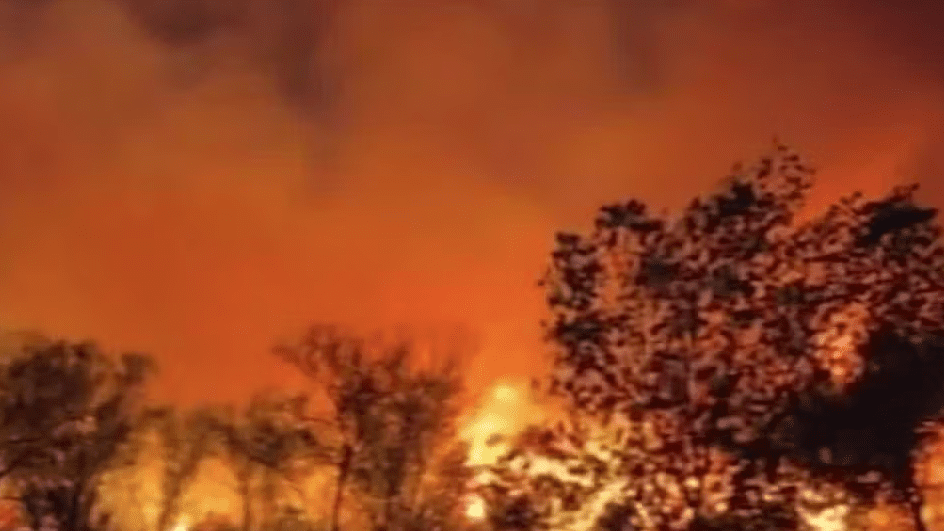
POLICY WIRE — ESPAÑOLA, N.M. — The acrid scent of smoke, though dissipating, wasn’t the only thing clearing over Española this past weekend. A more subtle, yet equally consequential, cloud of suspicion also lifted. Local officials emphatically declared the Riverside Fire, which scorched 44 acres near the Santa Claran Casino on Santa Clara Pueblo land, wasn’t the handiwork of the region’s homeless population. This swift exoneration offered momentary reprieve from common scapegoating, even as the fire’s true genesis remains a perplexing enigma.
For days, the inferno cast a pall over this New Mexico community, forcing evacuations and dramatic, multi-agency mobilization. By Sunday evening, palpable relief permeated the dry desert air. Fire managers confirmed the blaze 60% contained, a substantial victory attributed to serendipitous overcast skies and cooler temperatures. Crews, now a lean 38 (down from over a hundred), held containment lines, effectively reining in a potential catastrophe. It’s a testament to both meteorological benevolence — and diligent human endeavor.
Still, underlying vulnerability persists. This incident, commencing Friday near a bustling tribal casino — a nexus of commerce and tradition — underscored the precarious balance between development and nature. It’s a balance perpetually challenged in regions prone to drought — and high winds. The unified command, a tapestry woven from city, county, tribal, and federal fire agencies, presented a formidable front, necessary given jurisdictional complexities.
“It’s not just about hoses and hot spots anymore,” quipped Española Fire Chief Miguel Montoya, his voice raspy from the field. “We’re coordinating a multi-agency mosaic — tribal, state, federal, municipal — across a landscape as culturally rich as it’s ecologically fragile. Every decision isn’t just tactical; it’s diplomatic.” His observation highlights the nuanced political terrain firefighters navigate.
And, that swift progress allowed for lifted evacuation orders, ushering residents — and businesses back to operation. It’s a return to normalcy, certainly, but one tinged with the lingering question of how such an event began. The official pronouncement ruling out the homeless as culprits, while laudable, leaves a void where clarity should be. Investigators are poring over the ashes for answers, reconstructing Friday’s initial moments.
This communal vigilance in Española echoes global challenges for vulnerable populations grappling with environmental shifts. From Pakistan’s flood-ravaged plains – where monsoon rains routinely displace millions, exacerbating poverty and straining infrastructure – to the drying riverbeds of the Middle East, the confluence of climate vulnerability and socio-economic fragility demands more than localized firefighting; it calls for a global policy reckoning. Dynamics of indigenous land management, like Santa Clara Pueblo, also parallel global discussions on self-determination and resource allocation in disaster zones.
So, the financial toll, too, can be staggering. Federal wildfire suppression costs averaged over $3.6 billion annually over the last decade, according to the National Interagency Fire Center. That’s a staggering sum, money otherwise invested in prevention or development. It’s a recurring bill, paid in both dollars — and despair, consistently grappling policymakers. Española, for now, has largely skirted the worst.
“While we breathe a collective sigh of relief for our residents and businesses,” declared Española Mayor Juan Sanchez, addressing a small gathering (he loves a good photo op, doesn’t he?), “the underlying vulnerability of our valley persists. We’ve averted one crisis, but the next could be just a spark away. The cause, still elusive, demands a thorough accounting.” His words carry the weight of future uncertainties.
What This Means
At its core, the Riverside Fire, though modest, lays bare critical policy implications for New Mexico — and beyond. First, the efficiency of the unified command structure—municipal, county, tribal, federal—demonstrates a vital template for disaster response in diverse jurisdictional landscapes. This model, while challenging, proves essential when incidents don’t respect political boundaries.
Second, the preemptive exoneration of the homeless community by city officials marks a significant shift in public discourse around blame. It highlights increasing awareness of social equity issues even in disaster’s immediate aftermath, driven by past criticisms. This isn’t merely good optics; it’s a policy choice protecting vulnerable groups from unwarranted stigmatization.
Finally, the incident serves as a stark reminder of escalating climate change risks, especially in arid regions like New Mexico. Ongoing drought — and heightened fire seasons aren’t isolated; they’re systemic. Local incidents become microcosms for broader policy debates around prevention resource allocation, economic resilience, and urgent climate adaptation. The questions linger: how many more ‘small’ fires before ‘big’ policy changes become undeniable? The clock’s ticking.