

The Gridiron Gambit: NFL Draft’s Policy Picks, From Calculated Risks to Quiet Revolutions
POLICY WIRE — Los Angeles, USA — When the Los Angeles Rams, still boasting a reigning league MVP under center, spent the 13th overall pick on quarterback Ty Simpson, a player many scouts considered a...

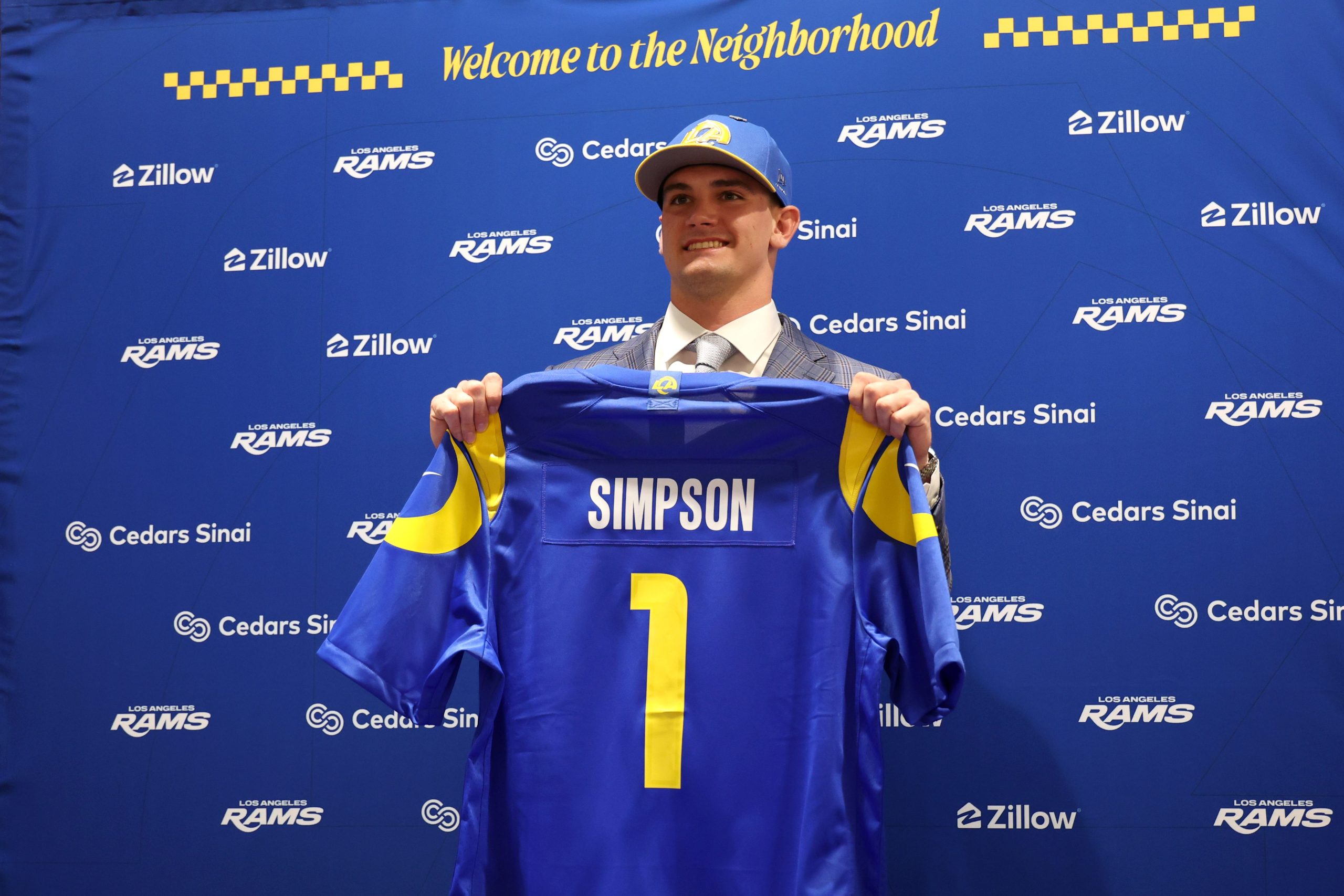
POLICY WIRE — Los Angeles, USA — When the Los Angeles Rams, still boasting a reigning league MVP under center, spent the 13th overall pick on quarterback Ty Simpson, a player many scouts considered a borderline first-rounder, the move wasn’t just a draft-day surprise; it was a policy declaration. It screamed of strategic long-term planning clashing – or perhaps artfully dancing – with immediate competitive imperatives. How does a franchise manage the twilight of a star’s career while simultaneously laying groundwork for a distant future, especially when that star is Matthew Stafford, whose "Favre-ian phase" still yields MVP-caliber play?
It’s a question that cuts to the core of asset management in professional sports, an intricate dance between present glory and future solvency. And it’s one that General Manager Les Snead seemed prepared to answer, however indirectly. "Asset management in this league is ruthless," Snead reportedly remarked in a private briefing, outlining the rationale. "You’ve got to take your shots where you see value, even if the timing seems… unconventional. Every organization needs a pipeline, and this move—it’s a long-term investment, pure and simple." This isn’t merely about finding a player; it’s about navigating a constrained market where premium talent, especially at quarterback, is a scarce commodity. The gridiron’s crucible, indeed, tests more than just athletic prowess.
Coach Sean McVay, ever attuned to locker room dynamics, offered a more tempered public assessment. "Look, we’re always thinking about tomorrow," he shot back when pressed on Simpson’s immediate role, "but today? Today, Matthew Stafford is our quarterback. Ty’s a talented kid, no doubt, and we’re excited to develop him, but don’t conflate foresight with an immediate changing of the guard." Such statements underscore the delicate balance front offices must strike, soothing veteran egos while still executing forward-thinking talent policies.
Across the league, other teams also engaged in similar, albeit less dramatic, policy maneuvers. The Las Vegas Raiders, desperately seeking stability since the tumultuous departure of Derek Carr, snagged Fernando Mendoza with the first overall pick. His "un-Raider-y" demeanor and apparent maturity signal a pivot towards a more measured, systematic approach to franchise building – a stark departure from past mercurial tendencies. And with veteran Kirk Cousins now in the fold, Mendoza won’t face the immediate, crushing burden of singular responsibility. This isn’t just a draft pick; it’s a recalibration of organizational culture.
Meanwhile, the Arizona Cardinals, perhaps betting on a "lottery ticket" as USA TODAY Sports’ Michael Middlehurst-Schwartz put it, found Carson Beck in the third round. His extensive college experience (43 starts) and potential for increased arm velocity post-UCL surgery offer a compelling risk-reward profile. The Pittsburgh Steelers, under new Head Coach Mike McCarthy, also opted for development with Drew Allar, hoping McCarthy’s storied history with quarterbacks could unlock the Penn State product’s potential without the immediate pressure of starting.
Still, the broader narrative this year was one of perceived scarcity. Despite initial worries about a "deficit of high-grade passers," a total of 10 signal-callers ultimately heard their names called before the draft’s conclusion on April 25, according to USA TODAY Sports. This volume, if not always quality, suggests a league-wide obsession with securing the quarterback position, even if it means reaching for projects like Taylen Green (Cleveland Browns) or Cade Klubnik (New York Jets) – athletes with tantalizing traits but considerable developmental hurdles.
This fervent, almost frantic, pursuit of gridiron gold mirrors a broader global phenomenon. It’s a capital-intensive quest for sporting dominance that even nations in the Arabian Gulf and increasingly, South Asia, now recognize as a crucial pillar of soft power and economic diversification. They’re investing billions, not just in nascent domestic leagues, but in global sporting assets – clubs, stadiums, talent development programs – because the underlying policy lessons from American football’s high-stakes market resonate everywhere: talent is king, and its acquisition, a monumental gamble with far-reaching implications.
What This Means
At its core, this NFL draft wasn’t just about young men chasing dreams; it was a vivid, public display of corporate policy in action. Teams, functioning as multi-billion dollar enterprises, made calculated decisions under immense pressure, allocating scarce resources (draft capital, salary cap space) against an equally scarce commodity (elite quarterback talent). The selection of Ty Simpson, specifically, illuminates the delicate, often contradictory, directives emanating from ownership: win now, but also secure the future. It’s a tension that can fray nerves and lead to uncomfortable locker-room conversations, yet it’s imperative for sustained organizational health.
Economically, the premium placed on quarterbacks continues to inflate their market value, distorting team building in some respects. Franchises are willing to spend disproportionately on even perceived potential, understanding that a true franchise quarterback can be worth multiples of their salary in revenue, merchandise, and championship contention. This creates a relentless arms race, where teams can’t afford to stand pat, even if it means publicly navigating the sensitivities of aging superstars. these decisions don’t exist in a vacuum; they dictate coaching tenure, fan engagement, — and even local economic impact. The policy isn’t just about drafting a player; it’s about charting the entire course of an enterprise, one high-stakes, deeply scrutinized pick at a time. And sometimes, you’ve just got to trust the process, even if it looks like madness from the outside.