


Vaibhav Sooryavanshi’s Century: A Policy Nexus of Youth, Soft Power, and Regional Aspirations
POLICY WIRE — New Delhi, India — It wasn’t merely the prodigious arc of a cricket ball soaring over the ropes in Jaipur that reverberated through policy circles last weekend; it was the...

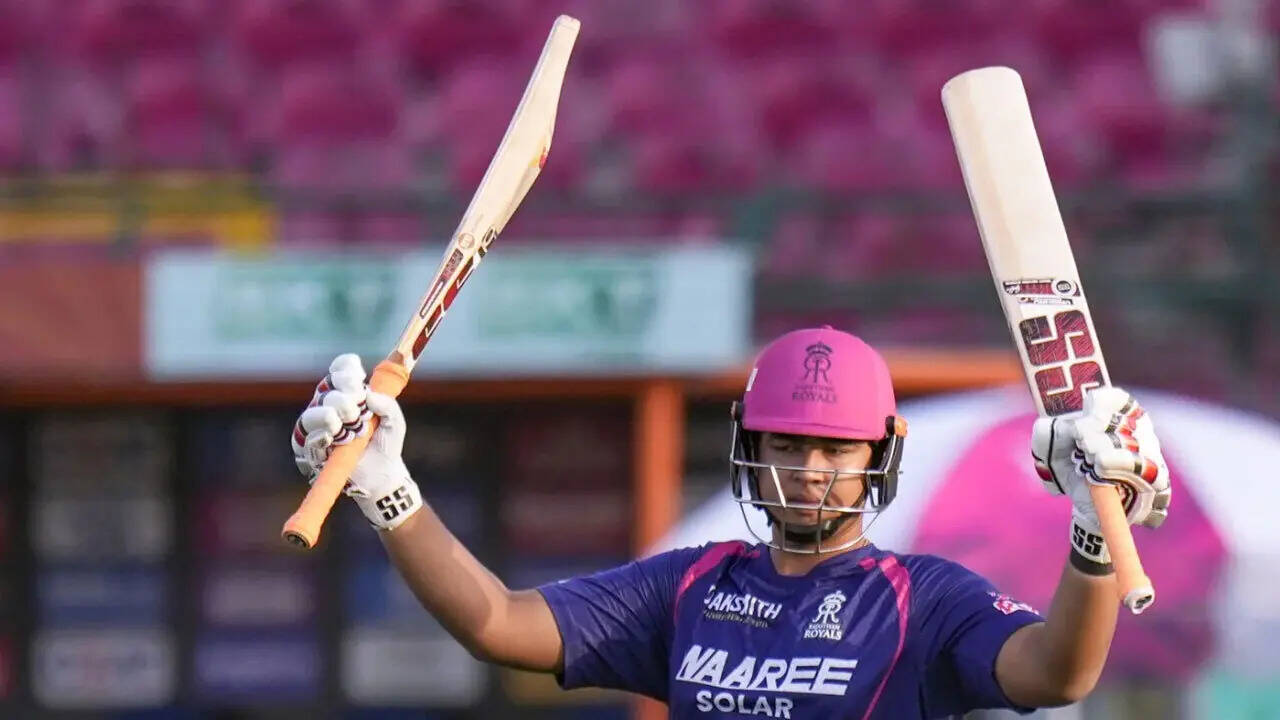
POLICY WIRE — New Delhi, India — It wasn’t merely the prodigious arc of a cricket ball soaring over the ropes in Jaipur that reverberated through policy circles last weekend; it was the audacious defiance of youth, crystallised in Vaibhav Sooryavanshi’s blistering century. This wasn’t just a sporting triumph – though a 103-run spectacle off a mere 37 deliveries, featuring a dozen sixes, certainly qualifies – but a vivid tableau of India’s economic dynamism, its aspirational youth bulge, and the complex interplay of soft power throughout South Asia. At its core, Sooryavanshi’s innings, however fleeting the team’s eventual defeat, became a potent, albeit unplanned, policy statement.
Behind the headlines of sporting bravado lies a more intricate narrative concerning talent identification and cultivation within India’s commercial sports behemoth, the Indian Premier League (IPL). This league, with a brand value exceeding $10 billion in 2023, as reported by Duff & Phelps (now Kroll), isn’t just entertainment; it’s a colossal industry, a significant contributor to the nation’s GDP, and a powerful engine for social mobility. For teenagers like Sooryavanshi, a hundred in such a high-stakes arena isn’t just personal glory; it’s a potential passport to a financially secure future, an endorsement deal, and perhaps, a berth in the national squad – a career trajectory that few other sectors can promise with such rapid ascent. And that’s why these performances matter beyond the boundary rope.
Sooryavanshi himself, reflecting on the intense pressure and subsequent euphoria, articulated the singular focus required. “One steps onto that field knowing the weight of expectation, not just from the franchise, but from countless aspirants watching back home,” the young batsman stated. “My brief was clear: disrupt the opposition, impose dominance. And one commits fully to that, irrespective of the outcome — you’ve got to.” This isn’t the typical post-match platitude; it’s a distillation of the entrepreneurial spirit that the IPL fosters, where individual performance directly translates into tangible capital, both financial and social.
Still, the geopolitical tremors across South Asia are never far from the pitch. Cricket, after all, isn’t merely a pastime; it’s a cultural touchstone, a shared lingua franca from Karachi to Kolkata, Dhaka to Colombo. The electrifying energy of an IPL match, broadcast globally, doesn’t discriminate based on passport. Pakistani youth, while barred from direct participation in the IPL due to lingering bilateral tensions, undoubtedly witness and are inspired by such performances, often emulating the technique and aggression of players like Sooryavanshi in local tournaments. It’s a subtle yet persistent thread in the intricate tapestry of regional soft diplomacy (or its absence).
Pat Cummins, the Australian captain of Sunrisers Hyderabad and a seasoned veteran of international cricket, offered a perspective that underscores the league’s broader influence. “What the IPL does, it isn’t just about fostering Indian talent; it’s about providing a crucible for global excellence. We’re witnessing the evolution of T20 cricket here – faster, more brutal, constantly redefining itself,” Cummins opined. “The investment in infrastructure, in player development, in broadcasting – it’s a model many nations, including my own, observe closely for their own sports policies. It’s a truly global phenomenon, even if its roots are deeply Indian.” His observations aren’t just about cricketing prowess; they’re a recognition of a sophisticated economic and cultural export.
Sooryavanshi’s innings – the third-fastest IPL century, a testament to his blistering form this season with 357 runs and two 15-ball fifties – has prompted calls for his fast-tracking into the senior Indian team. This national conversation isn’t just about sports selection; it’s about strategic allocation of national resources and talent. Policy makers often grapple with how to best identify and nurture promising individuals, whether in sports, science, or entrepreneurship. The IPL provides a hyper-accelerated laboratory for this, albeit one driven by commercial interests. But don’t misunderstand, the stakes are national pride.
What This Means
The Sooryavanshi saga, for all its sporting glory, illuminates several consequential policy intersections. Firstly, it underscores India’s unparalleled ability to commercialize and globalize its national passion, cricket, transforming it into a significant soft power asset. The IPL serves as a vibrant cultural ambassador, projecting an image of a dynamic, modern India far beyond its borders, subtly influencing perceptions in neighbouring countries (and beyond). Secondly, it highlights the pressing need for robust national sports policies that complement, rather than conflict with, professional leagues. While the IPL identifies and hones talent, the national system must be prepared to integrate these prodigies effectively, balancing short-term spectacle with long-term national team development. Finally, — and perhaps most critically, it serves as a powerful symbol for India’s massive youth demographic. Sooryavanshi’s meteoric rise offers a tangible, aspirational blueprint for millions, demonstrating that with talent, grit, and the right platforms – even commercially driven ones – extraordinary opportunities can materialise, potentially diverting young energy into productive, globally recognised endeavors. But it’s also a stark reminder of the intense competition, a high-stakes gamble for every player.