

The Price of Prodigy: Teen Phenom’s Triumph Turns to Takedown in IPL’s Brutal Arena
POLICY WIRE — Jaipur, India — The roar of the crowd, a symphony of a thousand cell phones flashing, suddenly dissolved into a collective gasp. Vaibhav Sooryavanshi, a mere fifteen years old, had just...

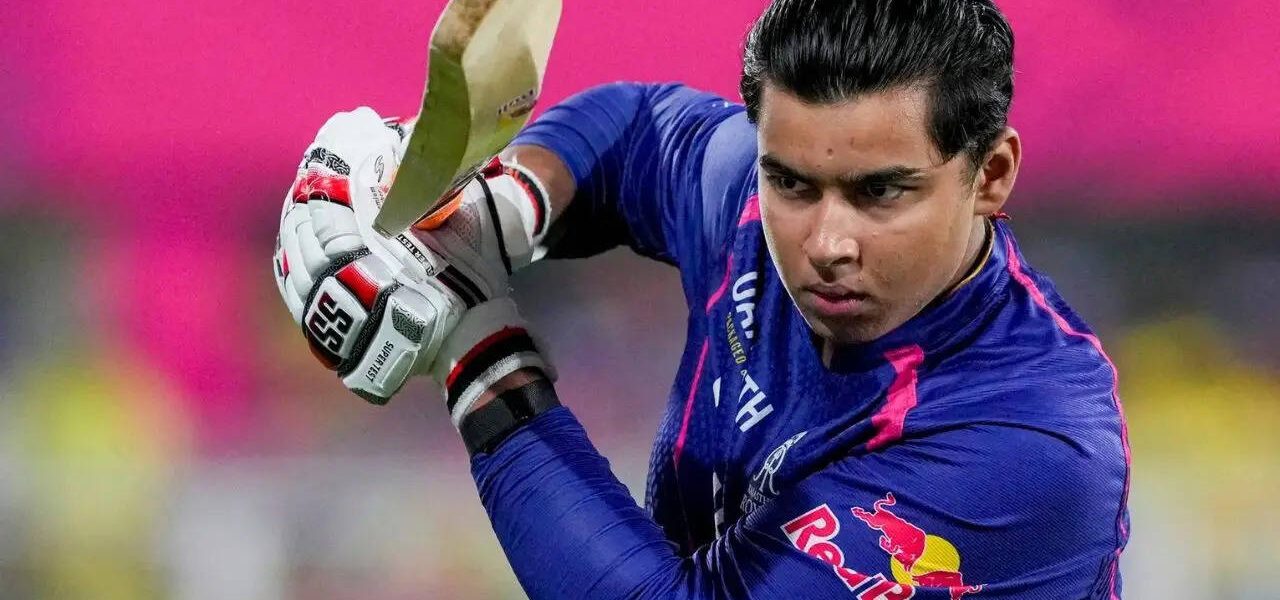
POLICY WIRE — Jaipur, India — The roar of the crowd, a symphony of a thousand cell phones flashing, suddenly dissolved into a collective gasp. Vaibhav Sooryavanshi, a mere fifteen years old, had just etched his name into the annals of T20 history with a blistering, record-shattering century. But then, as quickly as his star ascended, the harsh terrestrial realities of professional sport yanked him back to earth. His triumphant sprint across the pitch, chasing a lofted shot, ended not in glory, but in a crumpled heap, clutching his right thigh – a stark, visceral reminder of the immense physical toll exacted by the Indian Premier League’s (IPL) gladiatorial theatre.
It was a moment that encapsulated the IPL’s intoxicating blend of youthful exuberance — and unforgiving commerce. Sooryavanshi, defying his tender years, had decimated the Sunrisers Hyderabad attack, plundering 103 runs off a paltry 37 balls, an innings punctuated by a dozen sixes and five fours. His strike rate, a staggering 278.38 according to league statisticians, wasn’t just impressive; it was an audacious, almost insolent, declaration of arrival. He wasn’t just playing; he was redefining what a prodigious talent could achieve, pushing the very boundaries of the sport’s kinetic potential. And so, in the dizzying aftermath of his individual triumph, the subsequent injury seemed less a simple mishap and more a cruel twist of fate, a sudden descent from the sublime.
The initial visuals were grim: a hamstring pull, perhaps, the kind of injury that can derail careers before they even properly begin. But Rajasthan Royals’ batting coach, Vikram Rathour, ever the pragmatist, downplayed the gravity. “He was feeling something on his hamstring, but now he’s looking okay. He has been treated and is doing fine. We’ll know more in a day or so, but it doesn’t look anything serious,” Rathour opined, his words a thin veneer over the undeniable anxieties that must simmer within any franchise nurturing such a nascent, yet explosively valuable, asset. Still, the collective exhale across the cricketing world was palpable; nobody wants to see a phenom flicker out prematurely.
This isn’t just about one young man’s muscle strain, however. It’s about the ever-increasing demands placed upon athletes, particularly those barely out of adolescence. “The IPL is an economic powerhouse, and it inadvertently treats players – especially these young ones – as high-yield commodities,” remarked a senior board official from a non-participating nation, speaking on condition of anonymity. “The drive for performance, the expectation of immediate return on investment, it’s immense. We’re seeing more and more injuries as the pressure cooker gets hotter, and that’s a policy concern for player welfare bodies across the globe.” And he’s got a point, hasn’t he?
The match itself, almost an afterthought to Sooryavanshi’s personal drama, continued its furious trajectory. Sunrisers Hyderabad, unfazed by the young gun’s fireworks, chased down a formidable 229-run target with remarkable aplomb. Abhishek Sharma and Ishan Kishan unleashed their own torrent of boundaries, their 132-run stand making a mockery of the steep ask. Even a couple of early dropped chances couldn’t stymie their momentum. Then, contributions from Heinrich Klaasen and Nitish Kumar Reddy ensured SRH completed the chase with nine balls to spare, proving that even a single prodigy’s brilliance can be insufficient against a relentless, collective onslaught in this unforgiving format.
What This Means
At its core, Sooryavanshi’s meteoric rise and immediate physical setback lay bare the intrinsic paradox of modern, hyper-commercialized sport: the relentless pursuit of peak performance often collides brutally with the fragility of the human body. For the IPL, a league now reportedly valued at nearly $11 billion, this isn’t merely a sporting issue; it’s an economic and even a geo-political one. The league’s insatiable appetite for talent, particularly young, marketable stars, drives an intense scouting and development ecosystem across South Asia. Pakistan, despite its political estrangement from direct IPL participation, observes its neighbor’s cricketing economic juggernaut with a mixture of admiration and strategic consideration, acutely aware of the financial pull on its own talent pools and the global influence wielded by such a commercially potent league. The IPL’s success also fuels aspirations in other Muslim-majority nations, inspiring nascent leagues and drawing attention to the potential economic dividends of cricket investment.
📄 POLICY WIRE WHITEPAPER PUBLISHED: PAKISTAN'S NATIONAL SECURITY POLICY PRIORITIES
👉 READ BY CLICKING HEREBehind the headlines of record-breaking scores — and nail-biting finishes lies a simmering concern for player welfare. The sheer physical exertion demanded in taxing conditions – Jaipur’s intense heat, for one – coupled with the psychological burden of multi-million-dollar expectations, creates an environment ripe for such incidents. It compels sports federations, even those outside India, to reconsider their policies on youth development, workload management, and player remuneration. Is the current system adequately protecting its most valuable, — and vulnerable, assets? Or is it merely a conveyor belt, ready to replace one prodigious talent with the next?
The policy implications are vast, extending beyond mere medical protocols. They touch upon ethical considerations regarding child athletes, the long-term sustainability of high-octane leagues, and the broader narrative of cricket’s evolving global economic footprint. The hunt for the next prodigy, the next Sooryavanshi, is a relentless economic engine, but his sudden vulnerability serves as a poignant reminder that even the most glittering of diamonds can fracture under immense pressure. We’ve seen similar questions posed in other elite sports; just look at the debates surrounding player burnout in European football or the NBA. The question isn’t if the next young star will emerge, but how we protect them when they do, and what price society ultimately pays for their brilliance.
This incident, far from being an isolated sports injury, is a microcosm of the intense policy challenges that arise when immense capital, fervent nationalism, and raw human ambition converge on the sporting field. It’s a high-stakes gamble, always. The consequences, though, aren’t just tallied in runs or wickets; they’re etched onto the careers and bodies of the players themselves. And so, the global cricketing community watches, waiting for Vaibhav Sooryavanshi’s next move, hoping his brilliance isn’t too fleeting.