

Shadows and Sovereignty: Diplomatic Fault Lines Erupt After US Agents Die in Mexico
POLICY WIRE — Mexico City, Mexico — The grim mechanics of international diplomacy often involve an elaborate, if threadbare, performance of plausible deniability. When that performance...

POLICY WIRE — Mexico City, Mexico — The grim mechanics of international diplomacy often involve an elaborate, if threadbare, performance of plausible deniability. When that performance falters, as it spectacularly has on Mexico’s northern frontier, the consequences aren’t merely rhetorical—they’re deadly. The recent demise of two American federal agents in a fiery car crash in Chihuahua, initially shrouded in official ambiguity, has detonated a diplomatic powder keg, laying bare the uncomfortable truths of a covert, cross-border war on drugs.
Mexico’s Ministry of Security wasted little time asserting that the deceased U.S. agents—later confirmed by anonymous American sources as Central Intelligence Agency operatives—were not authorized for any operational activities on Mexican soil. They’d been returning, it seems, from the demolition of a clandestine drug laboratory. One agent, the ministry specified, entered as a common visitor; the other, under the veil of a diplomatic passport. It’s a bureaucratic sleight-of-hand that wouldn’t fool anyone familiar with the operational playbook of global intelligence agencies.
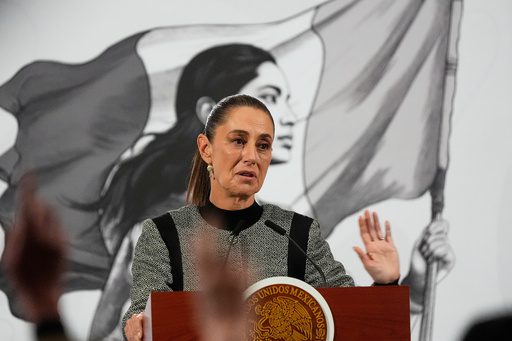
The incident, which also claimed the lives of two Mexican officers, has prompted a series of official contortions from both sides. Mexican President Claudia Sheinbaum, initially vague, conceded days later that federal forces were involved in the broader operation, a significant retreat from her government’s earlier stance of complete ignorance. This dance of denial and grudging admission underscores a fundamental tension: Mexico’s unyielding assertion of sovereignty versus Washington’s pragmatic, often unilateral, pursuit of security interests.
“Mexico’s sovereignty isn’t a negotiable instrument; it’s the bedrock of our nation,” shot back Mexican Foreign Minister Alicia Bárcena in a pointed statement earlier this week. “Foreign agents operating without explicit, documented approval fundamentally breach that trust, regardless of their purported aims. We cannot—and won’t—tolerate such unilateral actions on our territory.” Her words weren’t just for a domestic audience; they were a direct message across the Rio Grande.
And yet, Washington’s perspective remains steeped in a different reality. “Combating transnational organized crime—particularly the fentanyl scourge—necessitates unconventional tactics,” opined a senior U.S. intelligence official, who spoke on condition of anonymity due to the sensitivity of ongoing operations. “We’re grappling with enemies who respect no borders or laws; sometimes, that demands ingenuity, not bureaucracy. The stakes are simply too high for paralysis.” It’s a candid reflection of the strategic imperative that often outweighs diplomatic niceties.
Behind the headlines, this incident highlights a recurring pattern in U.S. foreign policy—one that resonates far beyond the immediate border. The concept of “plausible deniability” and covert operations, while a staple of international relations for decades, often creates diplomatic fissures and undermines long-term trust. It’s a dynamic acutely felt in regions like Pakistan, where U.S. drone strikes and intelligence activities, however effective against perceived threats, have historically inflamed anti-American sentiment and sparked accusations of sovereignty violations. The operational similarities, albeit in different contexts, are striking: external powers conducting sensitive actions within another nation’s borders, often with tacit or non-existent consent, leading to volatile political backlashes. Where Great Powers Stall, Credible Bridges Matter, and this latest episode certainly doesn’t help.
The U.S. has invested substantially in Mexico’s security apparatus, pouring more than $1.6 billion into counter-narcotics efforts under the Mérida Initiative between 2008 and 2021 (Source: Congressional Research Service). This financial commitment, however, hasn’t translated into an untrammeled right of operation. Mexico, a sovereign nation, increasingly insists on directing — and controlling foreign involvement within its borders. This isn’t merely a point of national pride; it’s a political necessity for President Sheinbaum, who’s navigating a complex domestic landscape rife with security challenges and a populace often wary of U.S. overreach.
What This Means
This episode will undoubtedly strain the already delicate U.S.-Mexico security relationship. For Washington, it’s a stark reminder that even allies — especially those struggling with their own internal security— will push back against perceived infringements on their sovereignty. The immediate implication is a likely tightening of operational protocols and possibly a reassessment of how covert U.S. intelligence assets operate within Mexico. We might see a temporary reduction in direct U.S. involvement in ground operations, favoring more intelligence sharing or training roles instead.
Economically, the incident could spook foreign investors wary of political instability, though the direct impact is likely to be marginal given the scale of the bilateral trade. Politically, President Sheinbaum gains domestic credibility by appearing to stand firm against perceived U.S. unilateralism. But it’s a perilous game; alienating Washington too much risks jeopardizing crucial cooperation on migration and trade, not to mention the very drug war that precipitated this crisis.
Still, the underlying problem—the pervasive influence of transnational criminal organizations—persists. Both nations need each other, despite the diplomatic friction. The question isn’t whether they’ll cooperate, but how. This incident serves as a brutal lesson that the old rules of engagement, however expedient, are increasingly unsustainable in a world where transparency, even when forced, is often the default. The shadows are shrinking, — and in their place, the glare of international scrutiny is intensifying. And that’s a development neither side can comfortably ignore.