

Gridiron’s Crucible: The NFL Draft as a Bellwether of Speculative Capital and Athletic Precarity
POLICY WIRE — New York, United States — The annual NFL Draft, a theatrical spectacle masquerading as a talent allocation exercise, concluded its latest iteration, leaving in its wake a meticulously...

POLICY WIRE — New York, United States — The annual NFL Draft, a theatrical spectacle masquerading as a talent allocation exercise, concluded its latest iteration, leaving in its wake a meticulously curated narrative of triumph and disappointment. Yet, beneath the glitzy facade of nascent millionaires and jubilant fanbases, a far more intricate, if less glamorous, economic dance plays out—one that underscores the precarious nature of athletic careers and the colossal machinery of speculative capital that underpins modern sports.
It wasn’t merely about which rookie would bolster a fantasy lineup or which veteran might see their digital stock plummet; that’s the convenient, consumable byproduct. At its core, the draft is a human commodities market, an opaque bazaar where potential is quantified, scrutinized, and ultimately, bet upon. And the subsequent media frenzy, especially the fantasy football permutations, merely serves to amplify this speculative cycle, translating raw athletic prowess into digestible, often emotionally charged, investment opportunities for millions.
Consider the sheer audacity of it all: young men, many barely past adolescence, suddenly assigned multi-million dollar valuations based on college performance, combine metrics, and, critically, a team’s strategic calculus. The ripple effects are profound, dictating not just on-field success but vast sums in endorsements, media rights, and ultimately, fan engagement. Indeed, the global fantasy sports market, a direct beneficiary of this annual spectacle, is projected to reach an eye-watering $55.73 billion by 2027, according to a report by Grand View Research. That’s a significant chunk of change built on the perceived fortunes of these freshly minted professionals.
Behind the headlines and the impassioned podcast analyses (like those from Yahoo Fantasy Forecast’s Matt Harmon and Justin Boone), lurks the cold, hard logic of risk management. General Managers aren’t drafting for a fantasy league; they’re drafting for organizational longevity and shareholder value (even if implicitly). They’re navigating salary caps, locker room dynamics, — and the often-unpredictable trajectory of human development. We’ve seen it play out, haven’t we? The can’t-miss prospect who sputters, the late-round pick who blossoms into a superstar. It’s a brutal calculus of potential.
“Every pick is a calculated wager, a blend of data analytics, scouting reports, and gut instinct,” asserted Cleveland Browns General Manager Andrew Berry, a noted proponent of analytical approaches. “The ‘fantasy implications’ are a useful barometer of public perception, sure, but our job is to build a sustained competitive advantage, not just spark a few viral tweets about a rookie’s potential PPR value. It’s about more than just numbers on a stat sheet; it’s about character, work ethic, and adaptability.” His words cut through the noise, reminding us of the fundamental distinction between simulated play and real-world strategic maneuvering.
Still, the intersection is undeniable. The pervasive reach of sports media means that this annual American ritual reverberates across continents. From the bustling markets of Karachi to the digital cafes of Cairo, where cricket often reigns supreme, the NFL’s draft—and the subsequent discourse around its fantasy impact—finds an audience. It’s a testament to the inexorable globalization of popular culture, where the minutiae of an American sport can become a topic of casual discussion, and even speculative betting, thousands of miles away. It shows how deeply intertwined media, finance, and culture have become, transcending traditional geographical boundaries. Think about it: a teenager in Lahore might not understand a cornerback blitz, but they’ll grasp the concept of a player’s perceived value rising or falling.
Dr. Amir Khan, a sports economist at the University of Chicago, offered a more detached perspective. “The fantasy sports ecosystem, while seemingly trivial, functions as a remarkably efficient, if somewhat distorted, real-time market for player valuation,” he opined during a recent seminar. “It’s a fascinating sociological experiment in collective intelligence, albeit one driven by entertainment, that occasionally mirrors the actual market’s inefficiencies. When a consensus builds around a player’s ‘fantasy value,’ it can, perversely, influence public perception and even, indirectly, future endorsement opportunities or contract negotiations. It’s a feedback loop, isn’t it?”
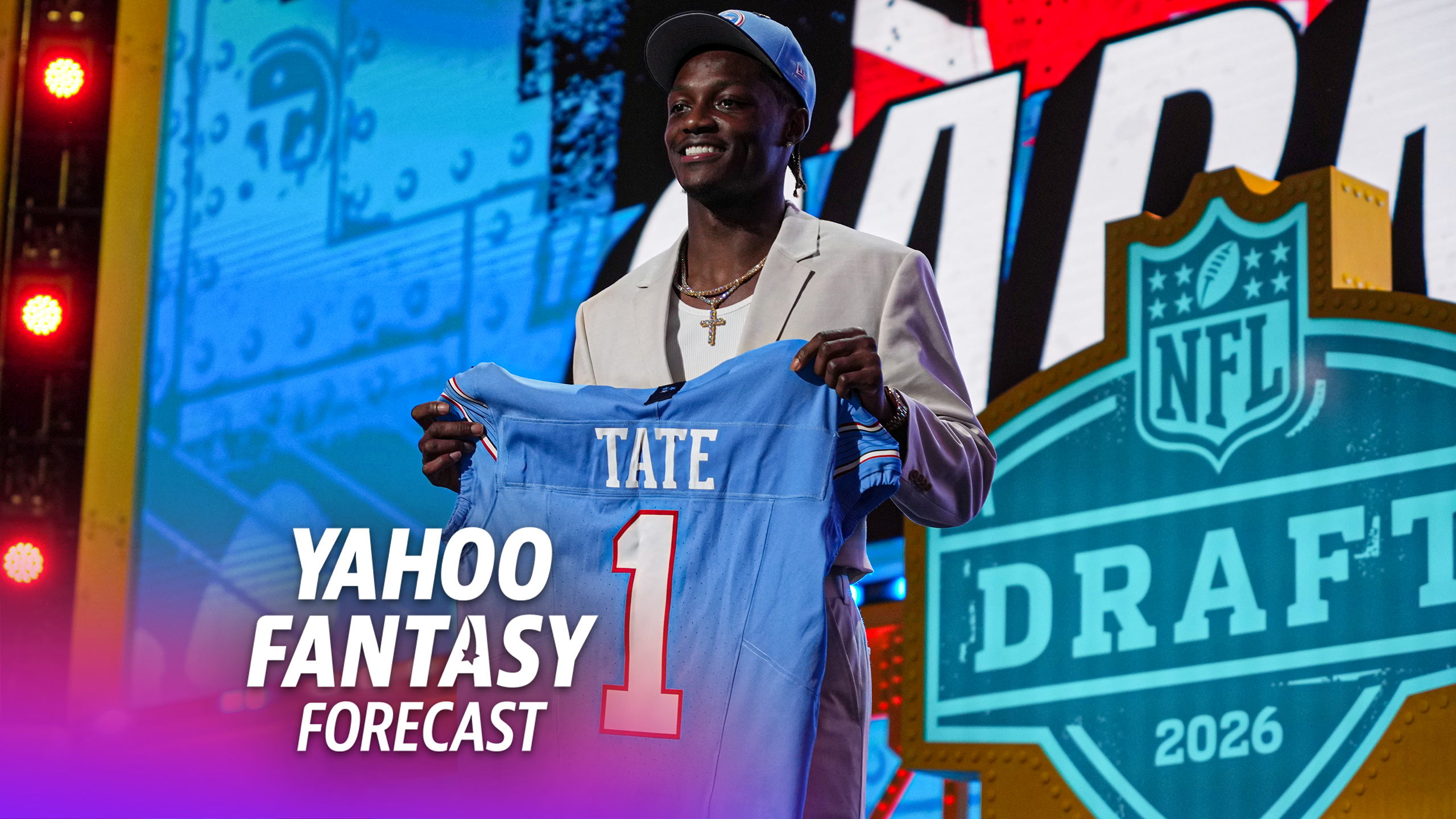
So, while the pundits dissect rookie landing spots and the impact on veteran running backs like Tyler Allgeier or Rashee Rice, the larger machinery churns on. This year’s crop of draftees—from Carnell Tate to Jordyn Tyson—aren’t just future gridiron heroes; they’re symbols of a continuous economic cycle, fresh assets in a system designed to monetize every twitch, tackle, and touchdown.
What This Means
The relentless media cycle surrounding the NFL Draft, particularly its fantasy implications, highlights a broader trend: the commodification of individual talent within a hyper-capitalized sports economy. What appears as mere entertainment is, in fact, a sophisticated mechanism for value creation — and speculation. For policy makers, it underscores the need to examine labor protections within high-stakes, short-career industries like professional sports. These athletes, despite their immense salaries, often face unique vulnerabilities—their bodies are their capital, and one wrong hit can obliterate their market value. Economically, the growth of fantasy sports signals a maturing digital economy that leverages emotional investment into significant revenue streams, potentially drawing regulatory scrutiny regarding data privacy and fair play, especially as betting markets become more intertwined. the global reach of these narratives underscores the pervasive influence of American cultural exports, necessitating a nuanced understanding of their reception and interpretation in diverse socio-economic contexts like those found across South Asia. The draft isn’t just about football; it’s a potent microcosm of global capitalism at play.