


Pochettino’s Argentine Ideology: Reshaping the American Game for a Home World Cup
POLICY WIRE — Orlando, Florida — The ball isn’t merely kicked; it’s a conduit for national identity, a vehicle for philosophical export. So, it appears, with the upcoming...

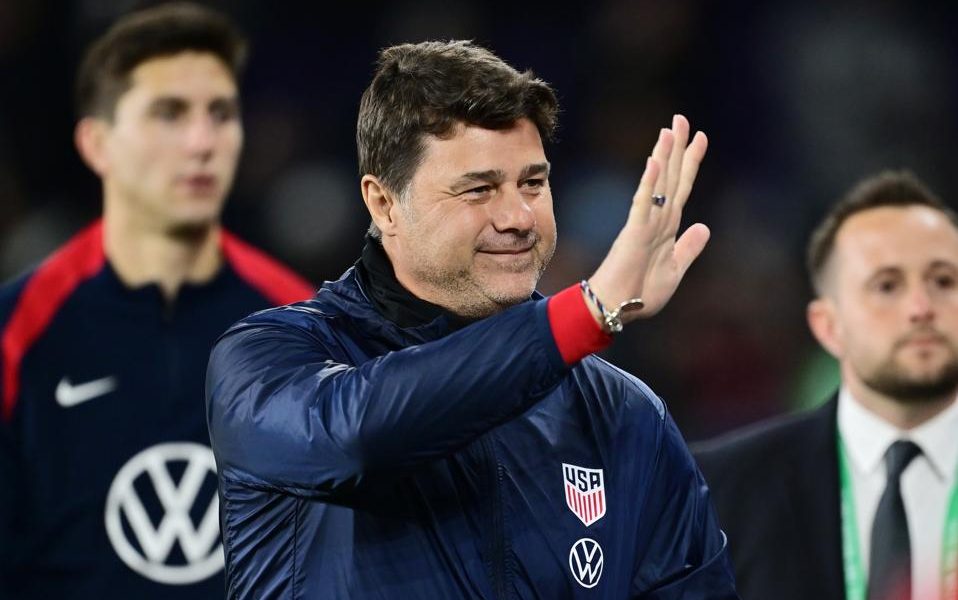
POLICY WIRE — Orlando, Florida — The ball isn’t merely kicked; it’s a conduit for national identity, a vehicle for philosophical export. So, it appears, with the upcoming World Cup, where the U.S. national team won’t just be playing football. They’ll be living a tactical creed, imported wholesale from Argentina, courtesy of Head Coach Mauricio Pochettino.
It’s not simply a high-profile managerial hire; it’s a deliberate embrace of a deeply ingrained footballing worldview. By June, when the grand spectacle unfolds, the sidelines will feature a surprising proliferation of Argentine strategists—six, by most counts—each a testament to a coaching culture that treats tactics less as blueprints and more as manifestos. And Pochettino, guiding the Stars — and Stripes, stands as a prime exhibit of this intellectual diaspora.
His tenure — though, admittedly, a mixed bag of results thus far — represents more than a stylistic tweak. It signifies an attempt to instill something intangible, a visceral understanding of the game’s inherent pressures. The U.S. has always prided itself on athleticism — and meticulous organization. But what it’s often lacked is that elusive, instinctual footballing soul, something born of passion rather than precise planning. Pochettino, a direct disciple of the relentless Marcelo Bielsa, isn’t just coaching formations; he’s fostering a culture where pressing, physical intensity, and collective responsibility aren’t just instructions, they’re articles of faith.
Argentina’s footballing heritage isn’t monolithic. Its soul is perpetually divided, a battlefield between César Luis Menotti’s fluid artistry and Carlos Bilardo’s ruthless pragmatism. Bielsa, Pochettino’s mentor, added an obsessive, high-octane intensity to that dialectic. Argentine coaches, you see, are forged in this constant, fiery debate — a crucible where the game is argued over with the same fervor as the nation’s often-turbulent politics. Taxi drivers in Buenos Aires, one might quip, harbor opinions as erudite as any television pundit.
This psychological fortitude, this willingness to absorb and transform pressure into propulsive energy, is perhaps Pochettino’s most consequential import. The U.S. has often struggled under the weight of expectation, especially on home soil. Argentina, for all its inherent volatility, has decades of experience grappling with that immense burden. Pochettino, who’s both endured the dark side of that pressure as a player and reframed it as a coach, offers a proven blueprint. His consistent messaging to the U.S. squad hasn’t just been about strategy; it’s been about audacious possibility, not constricting limitation.
“Why not us?” Pochettino shot back during a March training camp, a rhetorical question pregnant with ambition. “We need to really believe that we can be there. We need to dream.” It’s a compelling call to arms, especially for a nation that, despite its massive economic clout, often feels like an outsider in the global footballing elite. Still, the challenge looms large. The U.S. team enters this World Cup with their weakest goalkeeping corps in forty years, and talisman Christian Pulisic is in the throes of a prolonged scoring drought.
But there’s an undeniable undercurrent of optimism. Hosting the tournament offers a crucial seeding advantage. For midfielder Weston McKennie, the allure of a deep run is palpable. “It would be everything to win [a knockout game], and especially to do it in your home, in front of your friends, your families, the people that have supported you throughout your whole career that are closest to you,” he conveyed, articulating the profound personal stakes involved. And that emotional resonance, that drive for validation, might just be the secret ingredient.
📄 POLICY WIRE WHITEPAPER PUBLISHED: PAKISTAN'S NATIONAL SECURITY POLICY PRIORITIES
👉 READ BY CLICKING HEREOn the field, Pochettino’s influence will invariably sharpen the U.S.’s existing strengths. American players, typically strong — and fast, become the ideal raw material for a high-pressing, aggressive style. His teams hunt for possession, compress space, — and demand ceaseless movement. Yet, his development philosophy extends beyond mere physicality. This shift involves instilling a deep tactical intelligence and, crucially, an emotional resilience. While easier at the club level, this philosophy must take root with startling rapidity for the summer tournament to yield success.
At its core, this isn’t just about football. It’s about a nation asserting its place on a global stage, not just economically or politically, but culturally. And the World Cup, globally, remains an unparalleled platform. For instance, the FIFA World Cup in 2022 garnered an estimated 5 billion unique viewers globally, dwarfing even the Super Bowl — a testament to football’s pervasive international appeal. This broad reach means that the narrative crafted by a team like the USMNT, influenced by an Argentine maestro, can reverberate far beyond traditional footballing hubs, even reaching avid fans in places like Pakistan, where the sport’s popularity is steadily rising, drawing inspiration from diverse coaching methodologies that transcend geographical boundaries.
What This Means
The import of Pochettino’s Argentine methodology isn’t just a sporting gamble; it’s a calculated diplomatic maneuver — a bid for soft power, really. The U.S. has historically struggled to translate its formidable economic and political might into global footballing prowess, particularly in a sport often dominated by European and South American hegemonies. By embracing a distinct, often revered, Argentine ideology, the U.S. isn’t just seeking wins; it’s seeking validation, a deeper narrative legitimacy in the world’s most popular sport. A successful home World Cup — fueled by this imported philosophy — could significantly elevate America’s cultural standing in the eyes of nations that might otherwise view its sporting landscape as insular. It’s an investment in cultural capital, one that could bolster America’s presence on a global stage often shaped by global power shifts beyond traditional diplomatic channels.
The ultimate question, however, isn’t whether Pochettino can impose his ideas. It’s whether that potent philosophy can germinate quickly enough within an American system to truly matter by 2026. International football offers precious little incubation time, — and World Cups, you see, are unforgiving beasts. It’ll demand every ounce of Pochettino’s coaching pedigree — and every lesson from his unique cultural upbringing — to forge a contender, not just a participant.