
Tunisia’s Illiberal Turn: A Landmark Rights Group Silenced, Democracy’s Echoes Fade
POLICY WIRE — Tunis, Tunisia — For a nation that once ignited the Arab Spring, Tunisia now finds itself extinguishing its own democratic embers. It’s a chilling spectacle, frankly. The recent,...

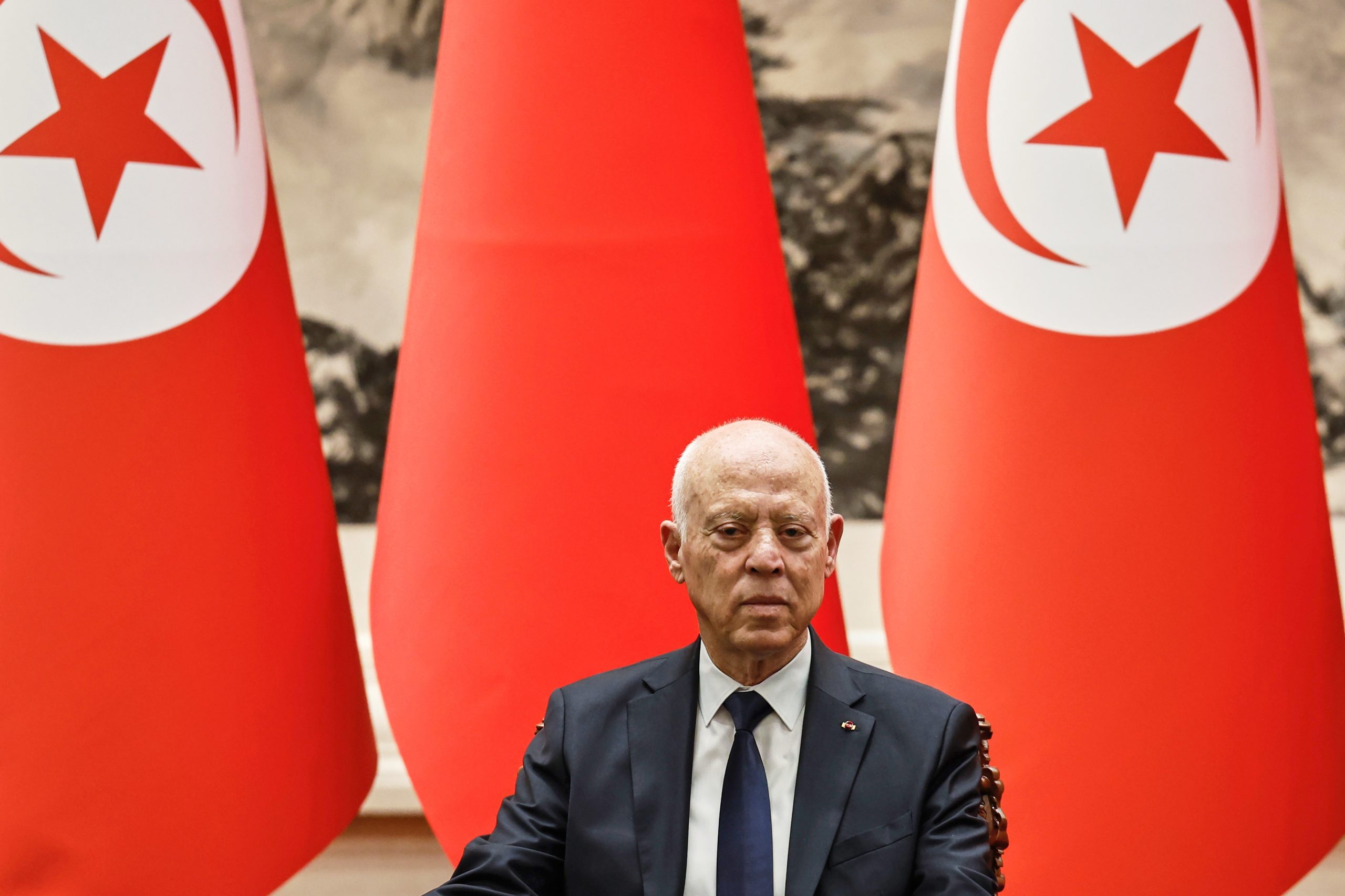
POLICY WIRE — Tunis, Tunisia — For a nation that once ignited the Arab Spring, Tunisia now finds itself extinguishing its own democratic embers. It’s a chilling spectacle, frankly. The recent, unilateral suspension of one of Africa’s most venerable human rights organizations doesn’t just register as a setback; it’s a profound, almost symbolic, act of erasure, signalling President Kais Saied’s increasingly unyielding grip on power.
The targeted group, a cornerstone of civil society for decades, had long been a vocal critic of governmental overreach — a role that, it appears, has become utterly intolerable under the current administration. And this isn’t an isolated incident; it’s merely the latest, starkest manifestation of a sustained, calculated campaign to neuter independent voices and dismantle the fragile democratic infrastructure built laboriously after the 2011 revolution. But who’d have thought Tunisia, the revolution’s birthplace, would be where civil liberties face such a precipitous decline?
Behind the headlines, a pattern of judicial harassment, arbitrary arrests of political opponents, and a sustained assault on press freedom has already calcified the political atmosphere. The suspension, framed by authorities as a necessary measure against unspecified ‘foreign interference’ or ‘violations of financial regulations,’ draws an uncomfortable parallel to tactics employed by more overtly autocratic regimes across the globe. It’s a well-worn playbook, isn’t it? Just accuse them of being foreign agents.
“Our national sovereignty isn’t a negotiable commodity,” shot back Ahmed Ben Salem, Spokesperson for the Tunisian Ministry of Interior, in a statement designed for resolute clarity. “We won’t permit organizations, regardless of their purported noble aims, to act as conduits for foreign agendas that destabilize our internal affairs. This decision isn’t an attack on rights; it’s a defense of the state.” The statement, predictably, offered scant specific evidence, relying instead on broad-brush accusations.
Still, the international outcry has been swift — and unsparing. Dr. Lena Hassan, Director of MENA Advocacy at Amnesty International, didn’t mince words. “This isn’t merely a suspension; it’s an alarming repudiation of the very democratic principles Tunisia once championed. To silence one of Africa’s most venerated human rights institutions is to extinguish a vital lamp for justice, setting a chilling precedent across the region.” Her anguish felt palpable, echoing through diplomatic cables and NGO reports.
At its core, this crackdown unveils the severe fragility of post-revolutionary transitions, a recurring motif in the Muslim world. Tunisia, once touted as the Arab Spring’s singular success story, now serves as a cautionary tale. From Cairo to Islamabad, the tightening of space for civil society organizations and independent media remains a pervasive challenge. Even as Palestinian communities tentatively navigate their own electoral processes, the spectre of state control over nascent democratic institutions looms large, a constant reminder of how easily freedoms can recede.
And the numbers don’t lie. According to a 2023 report by Freedom House, Tunisia’s democracy score has plummeted by 18 points since 2011, marking it as one of the steepest declines globally. That’s a rapid descent, wouldn’t you say? It suggests a deliberate, accelerated pivot away from the very ideals that sparked a region-wide upheaval just over a decade ago. It’s a stark reminder that democratic gains, however hard-won, are never truly secure.
What This Means
The implications of Tunisia’s current trajectory are multifaceted and deeply concerning, rippling far beyond its borders. Politically, this move solidifies President Saied’s vision of a top-down, centralized state, effectively sidelining any significant domestic opposition or independent oversight. He’s systematically dismantling checks and balances, transforming the judiciary and legislature into extensions of the executive. And without a robust civil society, the prospects for peaceful political discourse — let alone meaningful reform — diminish drastically. It’s not just about silencing critics; it’s about removing the capacity for criticism entirely.
Economically, this illiberal turn is likely to deter foreign investment, particularly from Western nations that often tie aid and trade agreements to governance and human rights records. Don’t think for a second that these political machinations occur in a vacuum. International lenders, already wary of Tunisia’s economic instability, might become even more hesitant, exacerbating a fiscal crisis already characterized by soaring inflation and unemployment. This creates a vicious cycle, where economic hardship further fuels public discontent, which in turn might provoke even harsher state repression. So, it’s a classic authoritarian trap.
For the broader Muslim world, particularly in South Asia and the Middle East, Tunisia’s regression sends an unsettling message. It validates the argument of those who claim that Western-style democracy isn’t compatible with regional political cultures or that strongman rule is the only path to stability. Pakistan, for instance, a nation grappling with its own complex civil-military dynamics and episodic democratic setbacks, might observe Tunisia’s path with a sense of déjà vu. The erosion of civil liberties, the targeting of NGOs, and the consolidation of power in the executive are patterns familiar across the region, from Egypt to parts of Central Asia. The hope that Tunisia represented — a potential template for peaceful democratic evolution — is now tragically undermined, offering less inspiration and more a stark warning for nations attempting their own delicate transitions or maintaining their own fragile democratic spaces. It suggests that even local electoral efforts can feel like fleeting victories against a prevailing tide of authoritarianism.