

Heisman Nominee Diego Pavia’s Draft Limbo: A Brutal Reality Check for College Stars
POLICY WIRE — Albuquerque, New Mexico — For scads of young athletes, the NFL Draft isn’t simply about gridiron glory; it’s a crucible, a public declaration of worth, and a pivotal,...

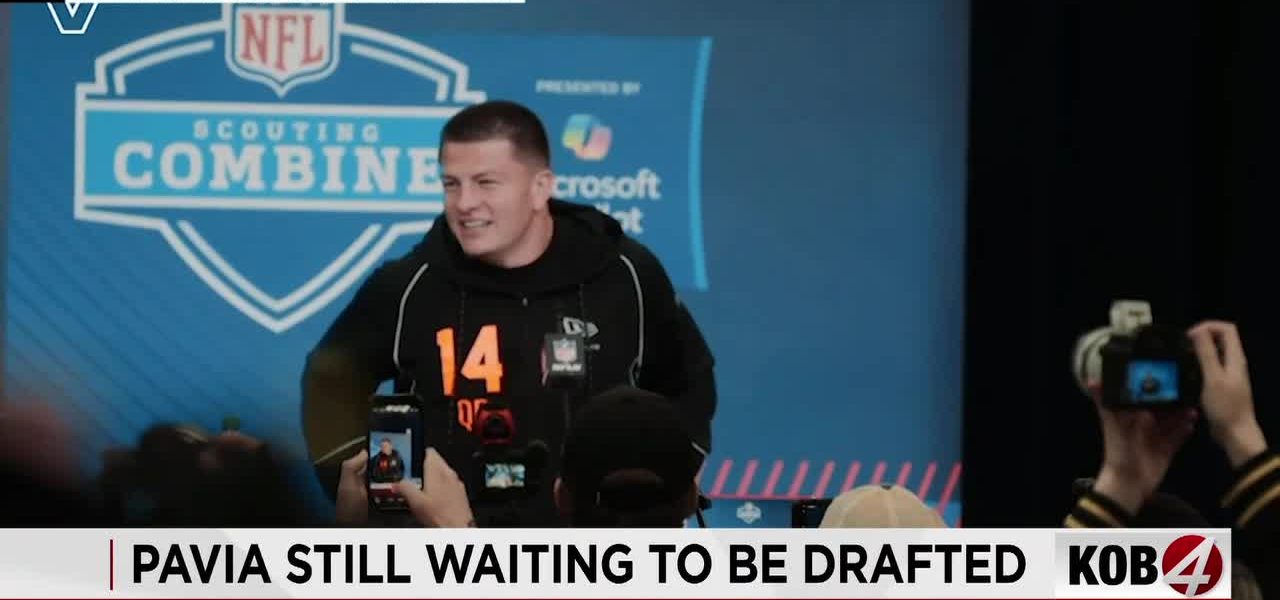
POLICY WIRE — Albuquerque, New Mexico — For scads of young athletes, the NFL Draft isn’t simply about gridiron glory; it’s a crucible, a public declaration of worth, and a pivotal, life-altering moment. For Diego Pavia, the electrifying quarterback out of New Mexico, that moment hangs like a sword of Damocles, agonizingly suspended, even after earning college football’s most prestigious nomination. What a turn of events, right?
And yet, when the first round wrapped up Thursday night, Pavia stood as the lone Heisman nominee still on the board, an unvarnished truth: collegiate accolades don’t always translate directly into a professional gravy train.
It’s a bitter pill, this uncomfortable truth, for any player, but especially for someone who drew enough eyeballs to be considered among the nation’s elite. Don’t be fooled; the NFL Draft is a business, a brutal gauntlet where raw talent and perceived ‘pro-readiness’ often overshadow any compelling narrative.
Still, the cameras lingered—a silent, ever-present jury—the phone calls didn’t come. Uncalled, still. He’d watched as Indiana’s Fernando Mendoza, this year’s Heisman winner, went first overall to the Las Vegas Raiders, a move that — let’s be honest, it didn’t surprise many — was fully expected given Mendoza’s formidable 6.73 prospect grade from NFL.com, categorizing him as a year-one starter, the kind of evaluation that practically screams ‘future franchise quarterback’ and makes talent evaluators sleep soundly at night. Another Heisman candidate, Notre Dame running back Jeremiyah Love, also found his new home early, heading to the Arizona Cardinals as the third overall pick, sealing his professional fate within the draft’s opening moments.
But Pavia’s path, it seems, will be a different, more grueling one. Scouts, it turns out, don’t just see the game through a distinctly different lens than college football pundits; they’re practically peering into an alternate dimension.
“The Heisman represents collegiate excellence, certainly, but it’s not a direct pipeline to a first-round NFL contract,” explained Dr. Evelyn Reed, Chair of the Heisman Trust Selection Committee, earlier this week (a timely reminder, if ever there was one). “Scouts are looking for different metrics entirely – size, arm strength, footwork, and scheme fit at the professional level. It’s a very different equation.”
That’s a tectonic plate movement of perspective for players who’ve absolutely dominated the amateur ranks. Pavia, despite his unquestionable command and thrilling playmaking ability for the Lobos, received an NFL.com prospect grade of 5.95. A ranking that designates him as an ‘average backup or possibly effective on special teams.’ The math is stark. Brutal, even.
Few outside the inner sanctums of NFL scouting truly grasp the microscopic scrutiny that goes into these evaluations. Every throw, every read, every pressure snap—it’s all meticulously dissected, weighed against an unforgiving professional yardstick, a standard that makes even the most accomplished collegiate careers feel like minor league tryouts. For a player like Pavia, universally hailed for his grit and elusiveness, the fine margins of NFL quarterbacking—particularly pocket presence and velocity—become absolutely paramount, a do-or-die measure of professional viability.
And yet, whispers persist. Some NFL insiders posit late interest emerged for Pavia, notably from the Carolina Panthers, a franchise that’s perennially scouring for value in later rounds. Saturday’s call? Maybe. It’s the thin thread of hope that sustains hundreds of hopefuls, clinging to their phones.
Across the globe, the drama of the NFL Draft ensnares eyeballs far beyond American shores. In bustling Karachi or the quiet villages of Punjab, where cricket traditionally holds sway, a new generation of digitally-native fans increasingly plugs into events like the draft. They watch, perhaps, with a divergent comprehension of the game’s nuances, but with an equally ardent reverence for the narratives of grind and glory. Pavia’s story, one of a celebrated college star facing an uphill battle for professional validation, resonates universally with anyone who’s ever pursued a dream against truly long odds. It’s truly a universal tale.
For every superstar pick, there are dozens of stories like Pavia’s, ablaze with talent but facing the glacial truth of a relentless winnowing process. What’s more, the average NFL career for an undrafted player is famously ephemeral, often clocking in at less than two years—a stark testament to the league’s savage culling rate. This makes the late rounds, — and subsequently undrafted free agency, an entirely different kind of gauntlet. A brutal, high-stakes poker game, where the chips are careers.
📄 POLICY WIRE WHITEPAPER PUBLISHED: PAKISTAN'S NATIONAL SECURITY POLICY PRIORITIES
👉 READ BY CLICKING HEREIt’s blunt, but true.
“Pavia’s got the grit, no doubt. He’s a winner,” commented Marcus Thorne, a veteran scout for an AFC franchise, who’s evaluated thousands of prospects over two decades. “But the arm talent — and pro-level consistency, that’s where the questions start to emerge for quarterback. It’s a tough league; every snap counts, — and you don’t get many second chances.”
Behind the headlines, the draft is a stark monument to the razor’s edge between college stardom — and NFL viability. It’s a complex equation of physical traits, mental fortitude, and, let’s face it, sometimes sheer, unadulterated luck.
What This Means
Pavia’s protracted limbo isn’t just a personal setback; it’s a blunt tableau of how NFL team-building priorities have radically evolved. Franchises, now more than ever, are microscopically fixated on measurable physical attributes and a ‘prototype’ for each position, particularly quarterback. The quixotic fantasy of a scrappy playmaker overcoming physical limitations is often relegated to the cheap seats, overridden by cold, hard arm talent, towering height, and verified speed metrics.
So, economically, for Pavia, being drafted even in the late rounds would offer a cushioned deal, however modest. Undrafted free agency means scrapping for a foothold without any financial security, often against dozens of other desperate hopefuls. It’s a brutal, high-stakes gamble, an Everest-level climb, where only a handful will ever make an active roster. Politically, within the NFL’s intricate ecosystem, the narrative of a Heisman nominee struggling to find a team can sometimes electrify a fan base or even a coaching staff looking for a narrative underdog story, but let’s be real, it’s a rare occurrence.
it accentuates the immense heat on collegiate awards committees to manage optics, especially when their selections don’t align cleanly with NFL projections. The Heisman is prestigious, no question, but it doesn’t buy you a draft slot; it’s more like a gilded handshake.
For college programs like New Mexico, having a Heisman nominee amplifies their profile, undoubtedly. Yet, the unfolding drama for Pavia will be closely watched by future recruits considering non-Power Five schools, weighing the glossy exposure against the harsh realities of a pro career. His journey isn’t over; no, it’s just beginning the hard, circuitous way.
But how Pavia responds to this blatant snub, this career purgatory, will define his football future far more than any collegiate honor ever could. Will he embrace the underdog role? Or will the sheer weight of expectation crush him? Can he find a way onto an NFL roster, even as an undrafted free agent? We’ll see, won’t we?
Ultimately, as former NFL general manager Ozzie Newsome once immortally deadpanned, “The NFL Draft is not an exact science; it’s an art.” Pavia’s story isn’t just about a player languishing for a call; it’s about the savage, sublime, and utterly bewildering ballet that’s professional football. Related: NFL Draft’s Unsung Heroes: Inside the High-Stakes Calculus of Mid-Round Picks