


Fatal Border Chase: Drug Trafficker Gets Decades After Deadly Crash
POLICY WIRE — Albuquerque, New Mexico — A searing indictment of the lethal fallout from narcotrafficking and downright reckless flight — the kind that leaves a gaping wound in communities — commenced...

POLICY WIRE — Albuquerque, New Mexico — A searing indictment of the lethal fallout from narcotrafficking and downright reckless flight — the kind that leaves a gaping wound in communities — commenced this week in a New Mexico courtroom, miles from any bustling border crossing. An El Paso man, culpable in a harrowing high-speed chase that claimed a motorcyclist’s life, now stares down nearly 22 years in a federal lockup; it’s a blunt admonition of the human carnage exacted by the illicit drug trade, isn’t it?
But this isn’t solely concerned with a man fleeing justice; it’s a chilling narrative about the devastating ripple effects that inevitably cascade outward when illicit cargo—often a shadow-economy’s lifeblood—collides with desperate measures. How many more lives, we’ve got to ask, will be utterly shattered before society’s lines of defense, thin as they’re, truly hold?
Federal prosecutors sketched a bleak tableau of that fateful November 2023 day on U.S. Highway 54. Jeffery Christopher Saint Louis, 37, had just bolted from a Border Patrol checkpoint, putting the pedal to the metal, eclipsing 100 mph and careening wildly between vehicles, a veritable menace on the road.
And then, the inevitable. He crossed into oncoming traffic, slamming head-on into a motorcyclist, who met his end immediately at the scene. Data, pulled from his vehicle (that’s right, the car itself told tales), revealed Saint Louis was barrelling along at approximately 71 mph at the point of impact, without so much as a tap of the brakes. Nothing.
“This wasn’t merely a flight; it was an act of egregious dereliction, directly orchestrating an innocent man’s death,” uttered U.S. Attorney for the District of New Mexico, Alexander M.M. Uballez, post-sentencing. “We’re observing a stubborn contempt for human life by those who hoist profits above everything else, and frankly, that’s utterly intolerable.”
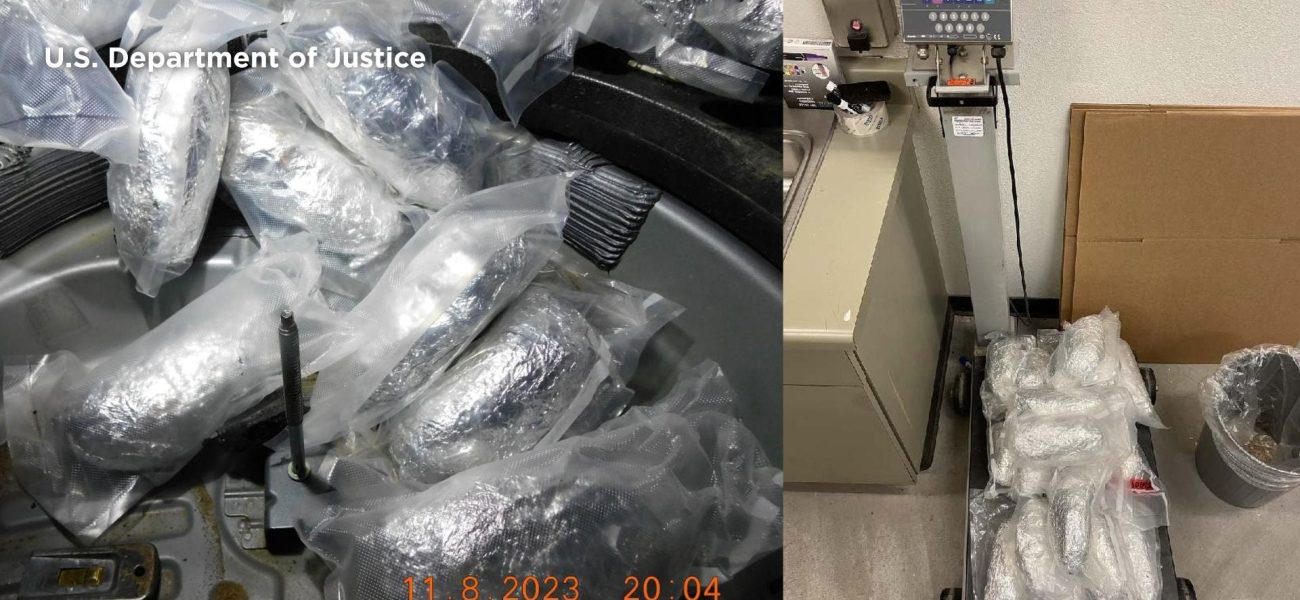
So, what exactly was Saint Louis so frantic to keep under wraps? Inside the trunk of his car, agents later unearthed nearly 9.9 kilograms of pristine methamphetamine. He’d admitted knowing about the drugs, intending to push them, and bolting from the checkpoint *precisely* because of the narcotics. Pretty straightforward, huh?
That’s a pivotal tidbit, underscoring the calculated ruthlessness of his evasion. He pleaded guilty to possession with intent to distribute methamphetamine and, yes, high-speed flight from an immigration checkpoint. In the federal system, there isn’t any parole, meaning Saint Louis will clock every single day of his sentence, followed by five years of supervised release. No exceptions.
“The sheer volume of methamphetamine points to a well-oiled criminal network, not merely a lone actor, you see,” opined Dr. Sanaa Al-Falah, a regional security analyst who’s got her finger on the pulse of illicit economies. “The clutches of the illicit drug trade, after all, aren’t hermetically sealed within local highways; its tendrils—like those of some unseen, ravenous leviathan—stretch across continents, often funding shadowy networks that destabilize regions from Latin America to South Asia, where communities, including many Muslim populations, grapple with the profound fallout of illicit economies and transnational crime. It’s a hydra-headed beast, really.”
Indeed, the spoils from such extensive smuggling operations regularly find their way into hands that finance everything from local street gangs to transnational extremist groups, scarring the global security landscape far beyond America’s immediate borders. This isn’t just about domestic issues, mind you. And that, unequivocally, matters.
📄 POLICY WIRE WHITEPAPER PUBLISHED: PAKISTAN'S NATIONAL SECURITY POLICY PRIORITIES
👉 READ BY CLICKING HEREWhat This Means
This harrowing incident illuminates the escalating stakes at the U.S. southern border, where the collision of drug trafficking, immigration enforcement, and public safety coalesces into an unrelenting, incendiary conundrum. It’s a chilling depiction of the perilous gauntlet confronting law enforcement each day, and the sorrowful remittance unwittingly paid by innocent civilians. Period.
But beyond the immediate horror, this case brings into sharp relief a wider, discomfiting reality: the voracious appetite for illicit narcotics in America continues to gorge a multi-billion-dollar apparatus, fortifying merciless syndicates who, quite simply, halt for naught. This pernicious cycle, lamentably, portends further reckless scrambles, more unwitting souls jeopardized, and countless communities left to gather the fragments—a truly Sisyphean task.
The sentence handed down broadcasts an unequivocal dictum: the federal courts aren’t treating these transgressions with kid gloves. But will it dissuade copycats from attempting similar, insane flights, particularly when they’re already facing decades in prison for drug offenses alone? That’s the conundrum authorities grapple with incessantly, a Gordian knot no one’s quite figured out yet.
“We’re not solely prosecuting criminals; we’re trying to restore a sense of safety to our communities,” mused Sheriff Joe Quintana of Doña Ana County, pondering the wider repercussion. “Every time one of these chases culminates in tragedy, it erodes public confidence and engenders a creeping unease, whether folks are driving to work or just out for a jaunt. It’s a collective wound.”
But the incident also, quite predictably, rekindles polemics concerning border enforcement strategies. Detractors frequently highlight the perils of high-speed pursuits, whilst advocates contend they’re absolutely essential to intercept noxious narcotics and ensnare felons. There isn’t any facile riposte, no quick panacea. Just tough choices. Related: Shadows Return: Somali Pirates Seize Oil Tanker Amid Red Sea Turmoil
Ultimately, this case functions as a grave memento: the crusade against narcotrafficking isn’t hermetically sealed within statistics or political rhetoric; it’s a savage verity that can, and quite often does, consume blameless existences on our nation’s highways. A human cost.
“Until the bedrock catalysts of both drug demand and the desperation that fuels illicit transport are tackled holistically, we’ll continue to see these lamentable upshots, won’t we?” concludes Dr. Al-Falah. “It’s a communal conundrum without any expeditious legal balm, demanding a far more amalgamated, worldwide methodology. So, it’s not a small ask.”