


New Mexico Braces for ‘Unpredictable Fury’ as Spring Winds Unleash Dust and Chill
POLICY WIRE — ALBUQUERQUE, N.M. — Beneath a deceivingly tranquil sky, a biting chill has settled over parts of New Mexico, heralding a far more capricious shift in the state’s fickle spring...

POLICY WIRE — ALBUQUERQUE, N.M. — Beneath a deceivingly tranquil sky, a biting chill has settled over parts of New Mexico, heralding a far more capricious shift in the state’s fickle spring weather. This weekend, residents are bracing for an unrelenting siege of wind, carrying with it the twin threats of bone-chilling cold and blinding dust—a sculptor with a cruel chisel, reshaping the very air.
Few would dispute the mercurial nature of Southwestern springs. Yet, forecasters aren’t just painting a particularly stark picture; they’re sketching a grim tableau for the coming days, warning of sustained high winds that could reconfigure the landscape, particularly across the eastern plains. Not just a vexation. A dire predicament.
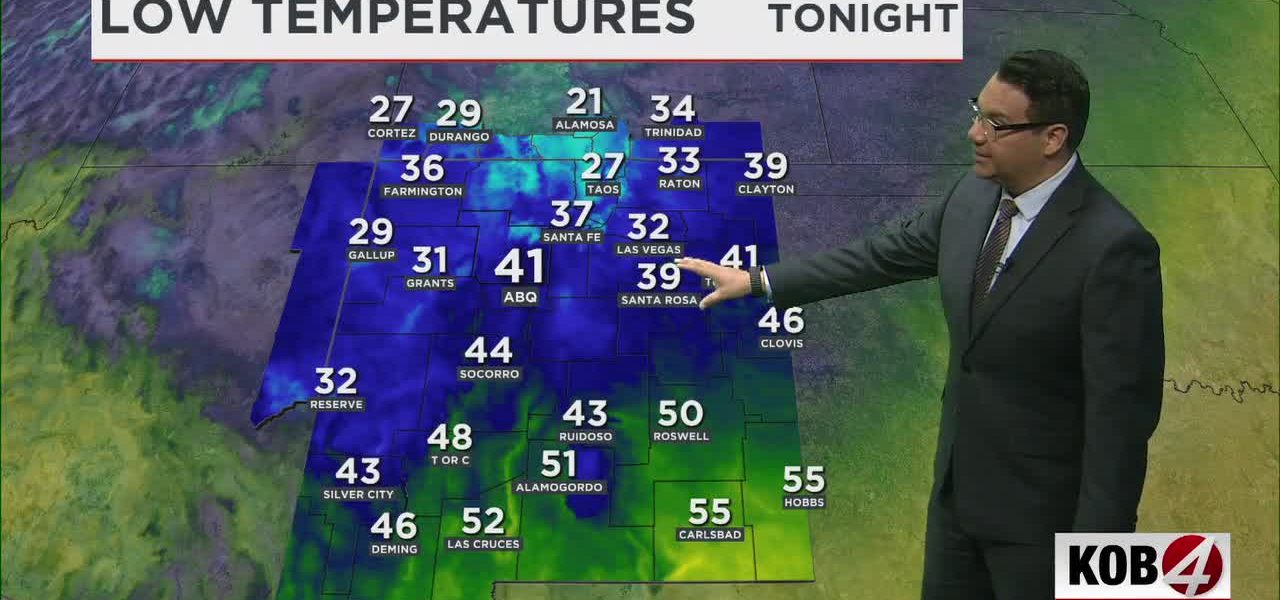
After a brief, almost serene cooldown triggered by Thursday night’s relaxing winds—enough to dip places like Chama, Taos, and Gallup below freezing—the atmospheric pressure is about to ratchet up considerably. Make no mistake, while ubiquitous hard freezes aren’t foreseen, those colder, low-lying valleys won’t escape the biting temperatures by early Friday.
Friday promises a blustery day, though it’ll seem like a mere whisper compared to what’s on the horizon. Afternoon gusts are expected to hit around 35 to 40 mph, particularly near Clines Corners, Moriarty, Santa Rosa, and the highland stretches near Las Vegas and Raton. That’s just the appetizer. Just delightful, isn’t it?
The crescendo truly kicks off Saturday, marking the onset of a markedly more blustery and decidedly parched pattern across the entire state. Eastern New Mexico, encompassing cities like Clovis, Portales, Roswell, and Tucumcari, will absorb the impact of the strongest afternoon gales.
“We’re urging all New Mexicans to take these warnings seriously,” stated Governor Michelle Lujan Grisham in an advisory released Friday morning. “Our emergency services are ready, but personal preparedness is always the first line of defense against Mother Nature’s unpredictable fury.”
Sunday, however, brings the most formidable punch as a robust weather system barrels through. Winds will increase precipitously throughout the state, with a growing likelihood of gusts exceeding an unnerving 60 mph in vulnerable corridors around Clines Corners, Las Vegas, Raton, Santa Rosa, and the northeast highlands—an intense scenario that demands respect, not merely observation.
Behind these formidable winds, blowing dust will become a ubiquitous blight, especially along Interstate 40 near Tucumcari and Interstate 25 near Raton Pass. Visibility could nosedive, turning once-routine drives into perilous odysseys. Not unique to the Southwest. Not at all. Blowing dust? Yeah, that’s gonna make things gnarly for anyone on the roads.
And that matters deeply. For instance, in arid regions of Pakistan, similar high-wind events frequently whip up dust storms, known locally as ‘andhi,’ devastating agricultural fields and posing severe health risks to communities already wrestling with climate change’s broader impact. It’s a stark global parallel that illuminates the fragility of dry lands to these atmospheric shifts. A recent study by the New Mexico State University estimated that wind erosion costs the state’s agricultural sector upwards of $15 million annually in soil loss and crop damage, a figure that only climbs during extreme events.
📄 POLICY WIRE WHITEPAPER PUBLISHED: PAKISTAN'S NATIONAL SECURITY POLICY PRIORITIES
👉 READ BY CLICKING HEREBut northern New Mexico might catch a break from the dust with some desperately anticipated moisture on Sunday. Showers are forecast to develop near Farmington, Chama, and the Tusas Mountains, offering a brief respite from the arid expanse elsewhere.
“This isn’t your typical breezy spring day. We’re looking at sustained high winds with gusts that can seriously impact infrastructure and travel, especially east of the Sandias,” explained Dr. Elena Rodriguez, a lead meteorologist with the National Weather Service in Albuquerque. “People need to secure loose outdoor items, be prepared for power outages, — and adjust travel plans accordingly.”
What This Means
The immediate ramifications of such intense weather are multifarious, touching upon public safety, the state’s economy, and emergency preparedness. Public safety challenges will undoubtedly intensify, particularly for motorists encountering sudden, near-zero visibility conditions on major arteries. the potential for power outages is considerable; downed lines can leave thousands without electricity, testing the fortitude of local utility providers.
Economically, the agricultural sector, already under pressure from prolonged drought, faces additional impediments. Blowing dust erodes precious topsoil, damages nascent crops, and contaminates water sources (and we’re not talking about a little dust here, folks). This isn’t merely an inconvenience; it’s a fundamental peril to farmers — and ranchers. Beyond agriculture, tourism — a linchpin in New Mexico’s economy — could see cancellations and upheavals, impacting small businesses reliant on spring visitors.
From a policy standpoint, these escalating weather extremes amplify the pressing imperative for formidable infrastructure investments and updated emergency response protocols. It begs the question: are our communities truly prepared for a future where ‘unpredictable fury’ becomes the norm? Officials in Albuquerque and beyond are constantly wrestling with public safety challenges, and extreme weather only complicates matters further.
So, for many, this isn’t just another weather forecast; it’s a poignant evocation of changing climate patterns. Behind the headlines, there’s a burgeoning discourse about how states like New Mexico might need to reimagine green policy and infrastructure plans to build enhanced fortitude.
As the winds gather strength, experts warn that the true test will be how communities adapt. “The frequency and intensity of these events are definitely something we’re monitoring assiduously,” offered Dr. Rodriguez. “It’s not just about getting through the weekend; it’s about understanding and preparing for a future where such extreme conditions are ever-present, requiring a paradigm change in how we approach environmental resilience (and let’s be honest, that’s a tall order).”