

What Is Happening in Gaza? A Struggle for Survival in the Face of Unyielding Challenges
What Is Happening in Gaza? In a corner of the world where the ancient land meets the Mediterranean Sea, Gaza stands as a testament to resilience and pain. It’s a place where the bustling markets once...

What Is Happening in Gaza? In a corner of the world where the ancient land meets the Mediterranean Sea, Gaza stands as a testament to resilience and pain. It’s a place where the bustling markets once teemed with life, where families sat down to meals under the shade of olive trees, and where children can freely in the streets. But today, this picturesque region, once a symbol of vibrant life, is now a reflection of struggle, loss, and survival.
The Gaza Strip, which stretches across just 141 square miles, has been at the center of one of the most complex and tragic conflicts of the modern era. For years, the region has endured cycles of violence, blockades, and military strikes, but the current situation is arguably the direst it has ever been. The conflict, which has torn apart the very fabric of the society here, has had a devastating impact on its people. But despite everything, the residents of Gaza persist, trying to rebuild, heal, and hold on to the hope of a better future.
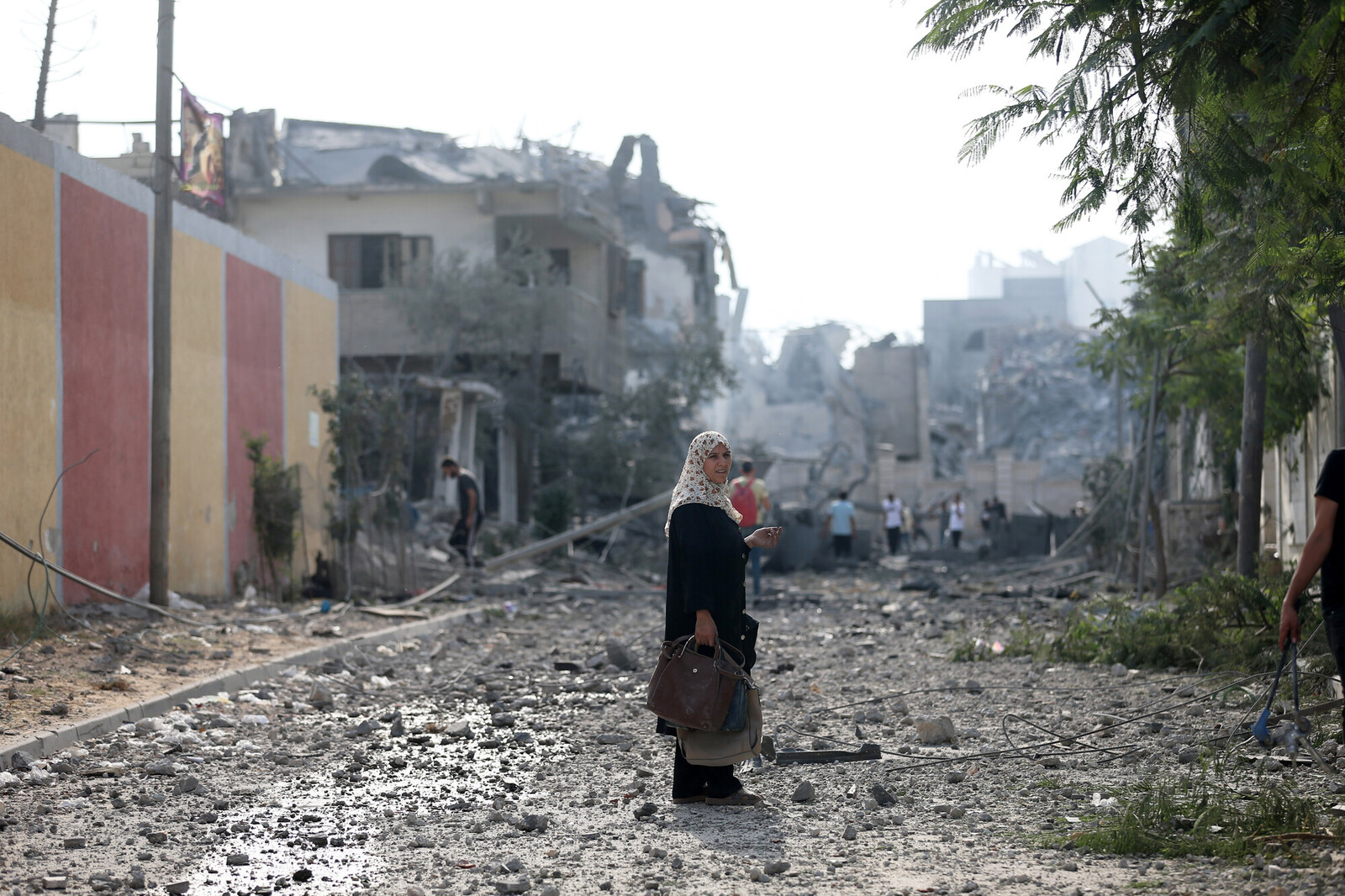
As of April 2025, Gaza is in the grips of an unprecedented humanitarian crisis. The ongoing violence has led to a staggering loss of life, with over 51,000 Palestinians having died, and most of them are civilians. Hospitals and schools have been destroyed or repurposed for military use, and millions are displaced from their homes. The once-thriving economy of Gaza is now in shambles, with unemployment soaring to unthinkable levels, leaving families without a stable source of income.
The health system in Gaza is stretched to its breaking point. Out of the 36 hospitals in the region, only about half remain partially operational, while many primary healthcare centers have been reduced to rubble. More than 30,000 individuals have suffered life-altering injuries, requiring long-term medical care and rehabilitation, a monumental challenge in a region already facing severe shortages of medical resources.
Adding to the suffering, Gaza experiences frequent electricity blackouts, severely limiting access to basic services such as water and sanitation. The ongoing blockade imposed by Israel, combined with the failure of international aid to reach the region, has turned basic survival into an overwhelming struggle. Food prices have skyrocketed, making it nearly impossible for families to afford even the most essential food items, further deepening the humanitarian crisis.
In the midst of this turmoil, Gaza’s youth, once the hope for a better future, now face an uncertain and bleak tomorrow. Education, a vital pathway to opportunity, has become yet another casualty of the conflict. Many schools, once hubs of learning, have either been destroyed or repurposed as shelters for displaced families. With limited access to safe and functional schools, an entire generation of children has been deprived of education. Furthermore, internet shutdowns during times of unrest have compounded the issue, leaving many students without access to online resources or virtual learning, severely hindering their educational progress and prospects.
Despite the overwhelming challenges, the determination of Gaza’s youth remains steadfast. Amid the chaos, small groups of young activists, teachers, and community leaders are tirelessly working to keep hope alive by establishing alternative education spaces. These underground efforts stand as a powerful symbol of resilience, as the people of Gaza refuse to let their dreams be extinguished, even in the harshest of conditions.
The environmental impact of the ongoing conflict has been equally devastating. Gaza’s water and sewage infrastructure has been severely damaged, leading to widespread contamination. Untreated sewage now flows into the Mediterranean Sea, further polluting the region’s already scarce groundwater supply and worsening the health crisis.
Moreover, the continuous airstrikes have resulted in deteriorating air quality. Toxic particles released by the bombings have polluted the atmosphere, putting the population at greater risk. With limited access to healthcare, respiratory diseases are becoming increasingly common, particularly affecting children and the elderly who are most vulnerable to the harmful effects of the polluted environment.
The environmental damage, however, is not just a byproduct of the conflict but a strategic weapon used in the war. The destruction of infrastructure, including hospitals, schools, and water treatment plants, has only deepened the suffering of Gaza’s residents, leaving them without the basic necessities of life.
While the situation in Gaza has attracted global attention, international responses have been mixed. Human rights organizations, such as the United Nations and the International Committee of the Red Cross, have condemned the violence and called for an immediate ceasefire. However, despite these calls for action, real change has been slow to come. Humanitarian aid has been hampered by the blockade, and the delivery of essential supplies has been sporadic at best.
The international community has expressed concern over the rising death toll and the worsening conditions, but effective diplomatic action has been lacking. Many countries have attempted to mediate peace talks, but the deep-rooted political divisions and entrenched positions on both sides have made it nearly impossible to reach a meaningful agreement. As of now, Gaza remains under siege, and its people continue to suffer in silence, forgotten by many except for those on the ground who witness their pain daily.
Gaza’s future, though uncertain, is not without hope. The strength and resilience of its people, from children to elders, continue to shine through the darkness. Despite immense hardships, the residents of Gaza remain determined to rebuild their lives, communities, and futures.
For change to occur, the international community must act. Humanitarian aid should flow freely, and political solutions are needed to end the cycle of violence. Without a unified global effort and true commitment to peace, Gaza will remain trapped in suffering.
The world must ask: How much longer will this continue? The time to act is now. Gaza’s people deserve peace, opportunities, and freedom from oppression. The international community must step up to end the suffering and secure a better future for Gaza.
Author