


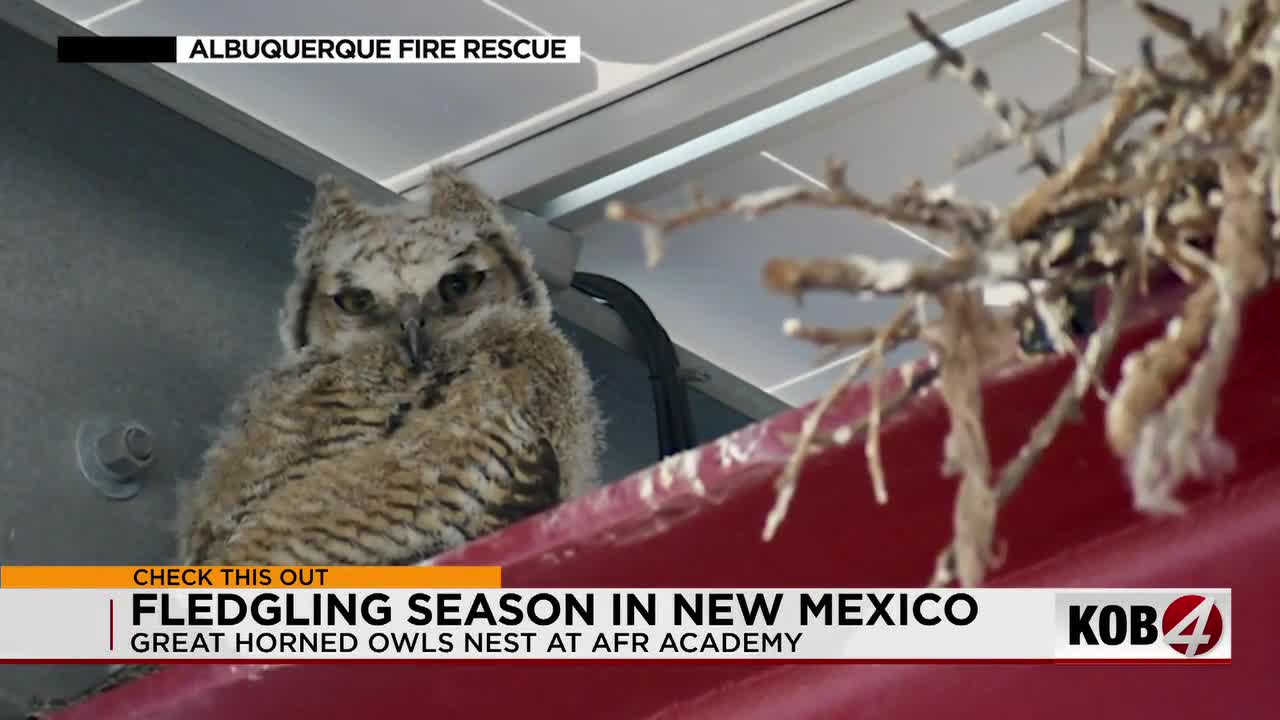
Great Horned Owls Return to Albuquerque Fire Academy for Fourth Consecutive Fledgling Season
POLICY WIRE — Albuquerque, United States — Spring has officially arrived in New Mexico, ushering in the annual fledgling season, with a remarkable wildlife event unfolding at a distinctive local...

POLICY WIRE — Albuquerque, United States — Spring has officially arrived in New Mexico, ushering in the annual fledgling season, with a remarkable wildlife event unfolding at a distinctive local venue.
For the fourth year in a row, a family of Great Horned Owls has chosen the Albuquerque Fire Training Academy as their nesting site. This consistent return highlights the academy’s unexpected role as a vital urban habitat for these majestic raptors.
The arrival of new owl hatchlings is a cherished annual occurrence for staff and observers alike. These young birds, known as owlets, will soon begin their crucial phase of learning to fly, a period during which they often spend time on the ground.
Protecting Young Owlets During Fledgling Season
Wildlife experts emphasize the importance of maintaining a safe distance if an owlet is spotted on the ground. It is common for young owls to fall or jump from the nest as they practice their flight skills, and their parents are almost always nearby, diligently supervising their progress and providing care.
Interfering with these young birds can cause unnecessary stress to the family and disrupt the natural fledgling process. Observers should refrain from attempting to intervene or approach the owlets, allowing the parent owls to guide their offspring through this critical developmental stage.
Read More: New Mexico Achieves Top National Rankings in Preschool Access and Early Education Investment
The Significance of Urban Nesting Sites
The continued nesting of Great Horned Owls at the fire academy underscores the adaptability of wildlife in urban environments. These powerful predators often seek elevated, secure locations for their nests, making structures like those found at the training facility ideal.
Their presence serves as a natural pest control, as Great Horned Owls are known for preying on rodents and other small mammals. This natural symbiosis benefits both the urban ecosystem and provides a unique educational opportunity for the community.
Read More: Cybersecurity Alert: How to Spot and Avoid Dangerous Fake Public Wi-Fi Networks