

Pakistan Cricketer Mohammad Nawaz Faces Potential Six-Month Ban in T20 World Cup Doping Probe
POLICY WIRE — Karachi, Pakistan — Pakistan international all-rounder Mohammad Nawaz is embroiled in an escalating anti-doping controversy, which could see him sidelined with a suspension ranging from...

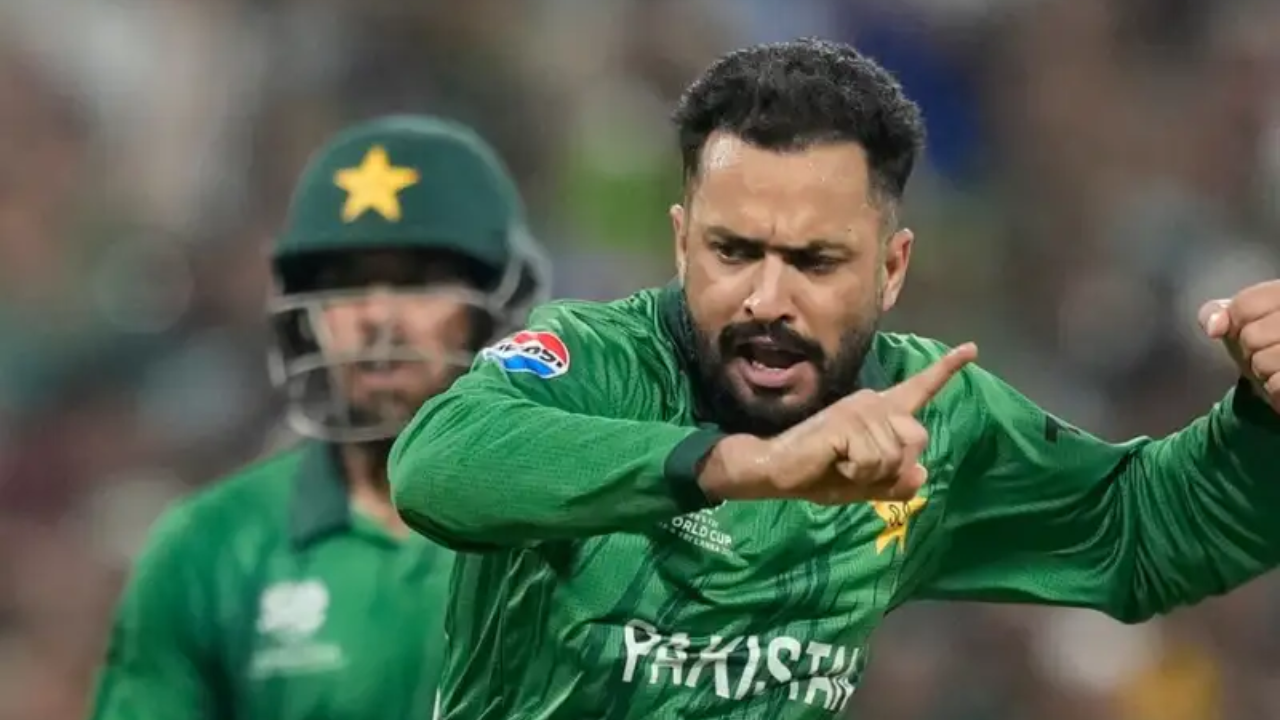
POLICY WIRE — Karachi, Pakistan — Pakistan international all-rounder Mohammad Nawaz is embroiled in an escalating anti-doping controversy, which could see him sidelined with a suspension ranging from a formal warning to six months.
This follows reports of a positive test for a prohibited recreational substance detected during the ICC Men’s T20 World Cup 2026. The International Cricket Council (ICC) has directed the Pakistan Cricket Board (PCB) to conduct a thorough inquiry, emphasizing both due process and the need for swift resolution.
The ultimate decision will hinge on several factors, including the precise quantity of the substance found and the specific circumstances surrounding its use. The PCB’s medical panel has already concluded its internal investigation and submitted its findings to the ICC, which holds the final authority given the alleged infraction occurred during an ICC tournament.
Understanding Anti-Doping Regulations
According to insights from Dr. Waqar Ahmad, the founder chairman of the Anti-Doping Organisation of Pakistan, the regulatory framework distinguishes between different scenarios. He clarified the nuances of sanctions regarding recreational substances.
“There is no punishment for the use of recreational substances outside competition,” Dr. Ahmad explained. “However, if such substances are detected during competition, the athlete may face consequences ranging from a simple reprimand to a suspension of up to six months.”
He further elaborated that every situation is evaluated individually. Factors such as awareness, intention, and any efforts towards rehabilitation are all considered in determining the appropriate outcome. For more on athlete regulations, read about the BCCI’s mandates for player participation in the World Test Championship.
Investigation Logistics and Potential Defenses
With Nawaz currently in Pakistan, the ICC opted to delegate the investigation responsibilities to the PCB due to logistical and practical considerations. Dr. Waqar noted the practicality of this approach, stating, “It is a time-consuming and resource-intensive exercise for ICC committee members to travel and conduct inquiries locally. Therefore, the subordinate body is entrusted to carry out a thorough probe and submit its findings to the game’s governing body for final adjudication.”
Common recreational substances that frequently trigger such anti-doping alerts include cannabis, cocaine, and MDMA. Nawaz will likely need to explain how the substance entered his system, whether through accidental ingestion, prescribed medication, or other means.
There is also the possibility that medication taken during a rehabilitation period, prior to the T20 World Cup 2026, could form part of his defense. Athletes often face scrutiny over substances. The intensity of sports and athlete conduct is frequently in the news.
Impact on Nawaz’s Professional Career
The immediate repercussions of this inquiry are already evident. Mohammad Nawaz had been slated to join Surrey County Cricket Club for the upcoming T20 Blast season, having secured a No-Objection Certificate (NOC) from the PCB. However, reports indicate this agreement has now fallen through, meaning he will not represent the club this summer.
Despite the ongoing investigation, Nawaz has continued to participate in the Pakistan Super League (PSL), playing for Multan Sultans. He recently bowled three overs without taking a wicket in their six-wicket victory against Rawalpindi in Karachi.
The resolution of this investigation is paramount for Nawaz’s future in international cricket. A finding of guilt regarding anti-doping regulations could result in a significant suspension or further disciplinary actions.