

Mohammad Nawaz Doping Probe: Pakistan All-Rounder Faces Six-Month Ban After T20 World Cup Allegations
POLICY WIRE — Karachi, Pakistan — Pakistan international Mohammad Nawaz, a prominent all-rounder, is currently embroiled in an escalating anti-doping dispute, potentially facing sanctions ranging...

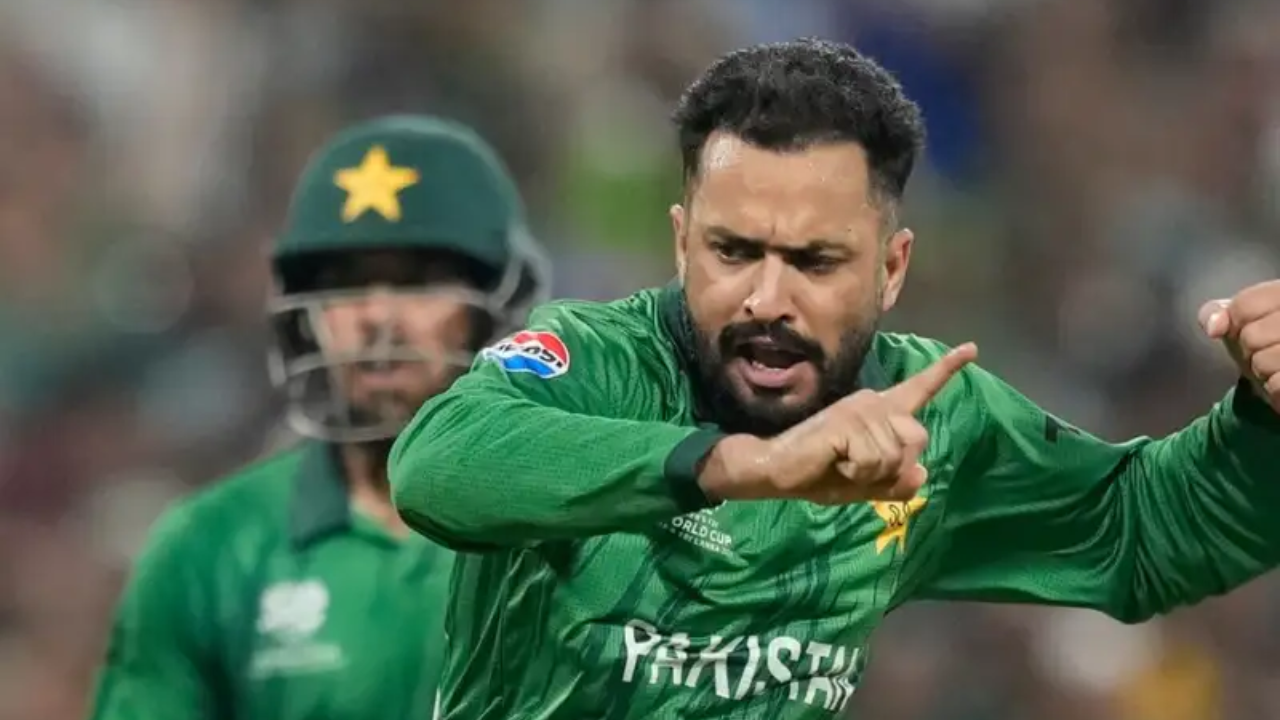
POLICY WIRE — Karachi, Pakistan — Pakistan international Mohammad Nawaz, a prominent all-rounder, is currently embroiled in an escalating anti-doping dispute, potentially facing sanctions ranging from a formal warning to a substantial six-month suspension. This controversy stems from a reported positive test for a prohibited recreational substance, allegedly occurring in connection with the ICC Men’s T20 World Cup 2026.
The International Cricket Council (ICC) has formally directed the Pakistan Cricket Board (PCB) to undertake a comprehensive inquiry into the matter. The goal is to adhere to established due process while expediting the resolution. The ultimate decision will be heavily influenced by variables such as the detected amount of the substance and the specific conditions under which it was consumed.
Anti-Doping Regulations Explained
Dr. Waqar Ahmad, founder chairman of the Anti-Doping Organisation of Pakistan, provided insight into the established anti-doping protocols governing such incidents. He clarified that the use of recreational substances outside of competitive events typically does not incur penalties.
“There is no punishment for the use of recreational substances outside competition,” he stated. “However, if such substances are detected during competition, the athlete may face consequences ranging from a simple reprimand to a suspension of up to six months.” He further elaborated, “Each case is judged on its merits. Education, intent, and rehabilitation all play a role in determining the outcome.”
Investigation Details and Delegation
Given Nawaz‘s presence within Pakistan, the ICC has prudently assigned the investigation responsibilities to the PCB due to logistical and practical considerations. The PCB’s specialized medical panel has already concluded its inquiry and forwarded its comprehensive report to the ICC. As the alleged breach transpired during an ICC-sanctioned event, the global governing body retains the ultimate authority for the final ruling.
Dr. Waqar commented on this procedural aspect, stating, “It is a time-consuming and resource-intensive exercise for ICC committee members to travel and conduct inquiries locally. Therefore, the subordinate body is entrusted to carry out a thorough probe and submit its findings to the game’s governing body for final adjudication.”
Read More: Pakistan Cricketer Mohammad Nawaz Faces Potential Six-Month Ban in T20 World Cup Doping Probe
Potential Defenses and Career Impact
Common recreational substances that frequently lead to such anti-doping violations include cannabis, cocaine, and MDMA. Nawaz is anticipated to provide an explanation regarding how the substance entered his system, whether through accidental ingestion, use of prescribed medication, or other circumstances. A potential element of his defense might involve medication he was prescribed during a rehabilitation period prior to the T20 World Cup 2026.
This controversy has already impacted his professional engagements; Nawaz had secured a No-Objection Certificate (NOC) from the PCB to join Surrey County Cricket Club for the impending T20 Blast. However, reports indicate that this agreement has now been canceled, preventing his participation with the club this summer.
Despite the ongoing inquiry, Nawaz has maintained his presence in the Pakistan Super League, actively competing for the Multan Sultans. He recently delivered three overs without taking a wicket in their six-wicket triumph over Rawalpindi in Karachi. The final verdict of this investigation will be pivotal in shaping Nawaz’s trajectory in international cricket. A finding of guilt regarding anti-doping rule violations could result in a suspension or additional disciplinary measures.